My Favorite Park in Ohio Is a Little-Known Oasis for Birding
Magee Marsh State Wildlife Area is renowned among birders. But even non-birders should pay a visit to this peaceful state park in Ohio.
The Buckeye State is home to many wonderful national and state parks, from the Hocking Hills to Cuyahoga Valley, as well as many incomparable Metro Parks. Out of all of these, however, my favorite is a haven for birding in Ohio, just east of Toledo. While it may not be on the radar for many Ohio park-goers, this spot is internationally renowned among a certain set of nature enthusiasts: birders. I'd imagine that any birders reading this introduction already know where I'm going with this article, but for those of you unfamiliar with Magee Marsh State Wildlife Area in Ohio, you'll appreciate all this gem of a park has to offer.
Why Magee Marsh Is A Birding Paradise
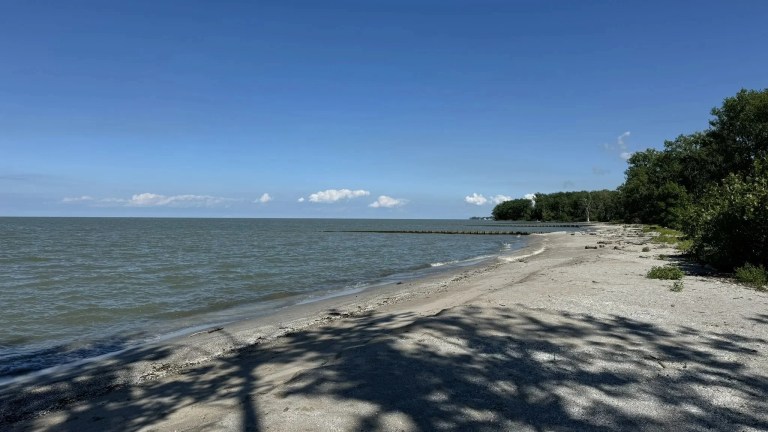
You'll find Magee Marsh, a world-renowned birding site, less than 90 minutes from either Detroit or Cleveland and just half an hour east of central Toledo. The preserve stretches inland from the sandy southwest shoreline of Lake Erie and protects more than 2,200 acres of wetland habitat used predominantly by waterfowl and migrating songbirds. In all, more than 300 species of birds nest, live in, or pass through the park every year. Although birds can be found in the preserve throughout the year, spring and fall migration are the times when birders, along with their avian quarry, truly flock to Magee Marsh.
The Famous Magee Marsh Boardwalk Experience

The most popular trail in the preserve is the Magee Marsh Bird Trail, a 1.2-mile out-and-back boardwalk that includes a loop through the wetlands along its course. This is the trail that attracts so many birders during spring migration, when more than 150 species of songbirds arrive in or make their way through the preserve. Among these are 36 species of warbler, earning northwest Ohio the moniker of "Warbler Capital of the World" and drawing thousands of birders every spring who rush to get a glimpse of these colorful birds in breeding plumage before they move on to their nesting grounds. This is also why the preserve is ground zero for the Biggest Week in American Birding, a 10-day festival that takes place each year in mid-May in Magee Marsh and surrounding areas.
Tips For Visiting Magee Marsh

If it's your first time visiting Magee Marsh, there are a few helpful tips to keep in mind. If taking the boardwalk trail, be sure to stop by the West Platform, the first thing you'll see while approaching the west entrance to the boardwalk. There's a small panel with helpful tips for recognizing different species of warblers. The boardwalk's west entrance is, generally speaking, a prime spot for watching birds.
Timing, of course, is also important. Spring and fall, alike, are excellent times to see migrating waterfowl, including many species of ducks and geese. Trumpeter swans are increasingly common visitors to the marsh, too.

Another species that's being seen more often in Magee Marsh is the American white pelican, which had, until recently, been a rare visitor. These days, you can catch them in the spring and fall as they head toward their breeding grounds on the Great Plains.

Of course, you don't have to be a birder to enjoy Magee Marsh—the birds are just one of this beautiful preserve's highlights. The preserve is home to several trails, including its famous boardwalk, that showcase the wetland and coastal habitats it protects. These are home to many species of animals and plants—including birds—and make for a beautiful hike. For example, the Crane Creek Estuary Trail is a 3.6-mile, out-and-back hike that travels the edge of Magee Marsh from the shore of Lake Erie to its border with Ottawa National Wildlife Refuge, which surrounds much of the marsh. It's an easy, level hike through some truly lovely scenery.
So whether you're fascinated by birdwatching or simply appreciate an immersive, lovely setting for quality time in nature, you'll be impressed by all that Magee Marsh has to offer. The wildlife area is typically open year-round, between sunrise and sunset. For more information, be sure to check Ohio's Department of Natural Resources page. For related content, take a look at this special place in Ohio where you can feed blue jays and doves.
Subscribe to our newsletter
Get the latest updates and news
Thank you for subscribing!