A Terrifying, Deadly Storm Struck New York In 1977 And No One Saw It Coming
The Blizzard of 1977 paralyzed Buffalo and western New York with record low temperatures, high winds, and massive snow drifts, leaving a lasting impact on the region.
The Empire State has seen more than its fair share of historic snowy weather. With our western borders lying along the shores of both Lake Erie and Lake Ontario, this half of our state has become all too familiar with troublesome snow storms. Most of our current residents likely remember our epic Snowvember blizzard from a few years ago, but if you thought that was bad? Well, you should have been around for the terrifying and deadly snowstorm that left the city of Buffalo and its surrounding areas completely helpless back in 1977. This is among New York's worst blizzards and it will never be forgotten. Continue reading to learn more about the Buffalo Blizzard of 1977.
After experiencing several months of below-average temperatures, the western and northern regions of New York were ill-prepared for a massive snowstorm. A deadly one hit in 1977 and its scale was truly monumental.
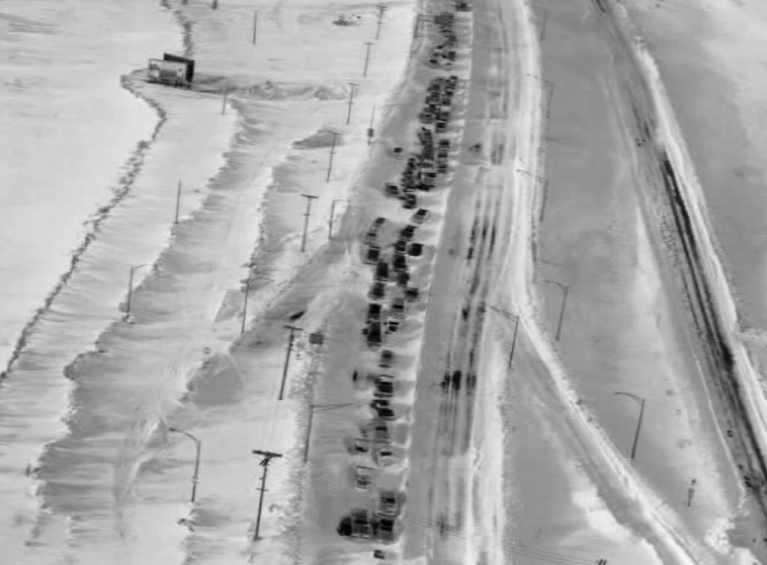
On January 28 at 4:00 a.m., the National Weather Service in Buffalo reported that the city was due to be hit with near blizzard conditions.

The record snowfall in New York was expected in late afternoon and it was thought it would continue on throughout the night.
By 11:00 a.m., for the first time ever, the National Weather Service in Buffalo issued an official Blizzard Warning.

By 11:35 a.m., those who were in Buffalo could see lightning in the dark and cloudy sky. An enormous wall of snow had reached the airport by 11:30 a.m. Visibility quickly began to drop, with wind speeds increasing from 29 miles per hour all the way up to 49 miles per hour. Within just four hours of the storm reaching the area, the National Weather Service reported massive temperature drops. Temperatures that had started at an already low 26 degrees Fahrenheit were now a whopping 0 degrees Fahrenheit.
By 1:00 p.m., Buffalo was already reporting snow as high as car bumpers. The actual snowfall was nearly obsolete by 1:30 p.m., but the end of the city's troubles were far from over.

The snow came, and it came quickly. Piling up at a speedy rate, the parts of Buffalo nearest to Lake Erie were in particularly bad spots. The roads were impassable within just a half hour of the storm's start.
Buffalo's radar detected there was hardly any actual snow falling. The city quickly realized that it was being pummeled with snow that was coming off of frozen Lake Erie.

This season was an unusually cold one. In New York during the months of November, December, and January, our state saw below-average temperatures that had us bundled up far more than usual. By December 14, 1976, Lake Erie had completely frozen over. Normally, our residents would cheer over a frozen lake. That prevents storms from picking up the lake's moisture and producing lake-effect snow. But this season was different. Frozen for well over one month, Lake Erie was covered in massive amounts of powdery white snow. New York's worst blizzard was now blowing it all over the city.
People took shelter wherever they could find it. An estimated 13,000 residents were stranded in the city. Over 10,000 cars were abandoned all over Buffalo.

By Saturday, Main Street was filled with around 2,000 abandoned vehicles. Over the course of the storm's aftermath, many areas in western New York banned all unnecessary travel. Places like Niagara Falls and Buffalo needed to keep the streets open for emergency vehicles. That is, the streets that were even cleared...
The storm would prove significant to Buffalo in more ways than one. Record low temperatures were set, and the "Buffalo Courier-Express" made history by not publishing for the first time in its long existence.

On Friday, the storm set a record low temperature of -7 degrees Fahrenheit for that date. The previous record had been around since 1885! Other notable happenings? Winds reached a record high of 51 miles per hour. Mail service didn't resume until February 2. Buffalo schools saw over ten consecutive snow days. Students didn't return to class until Valentine's Day. Talk about a memorable winter break!
By the time the horrendous blizzard of 1977 was over, it had taken the lives of 23 people.

Some records will show that the storm took a total of 29 lives. It's safe to say that at least 23 of our residents didn't make it through this storm. More than 10 of the deaths happened in Buffalo. Some residents reportedly had heart attacks while attempting to shovel snow. At least nine people were killed after being buried in their cars.
But it wasn't just Buffalo and New York's western region that were affected by the blizzard. Northern areas like Jefferson and Lewis Counties even managed to get hit with the lake-effect snow.

Sure, Lake Erie may have been frozen over for quite some time. Unfortunately for our northern residents, Lake Ontario almost never freezes over. By late Friday afternoon, Watertown had close to zero visibility and wind speeds of nearly 30 miles per hour. The blizzard mixed with the unfrozen Lake Ontario created the perfect storm. The Watertown area was hit with 60 inches of snow, leaving over a thousand people stranded.
By the time the storm was finished, over 500 National Guardsmen had come to New York to help with the disaster. It was in news headlines all across the country for nearly two weeks.

New York wasn't the only state to be majorly affected by the blizzard of 1977. On January 29, President Jimmy Carter declared a state of emergency for both New York and Pennsylvania. On February 9, Buffalo saw above-freezing temperatures for the first time since Christmas.
Our residents who were around for this storm are reminded of New York's worst blizzard every time it snows in western New York. To take a step back in time, check out this old news footage from the storm. It's provided by staffannouncer on YouTube.
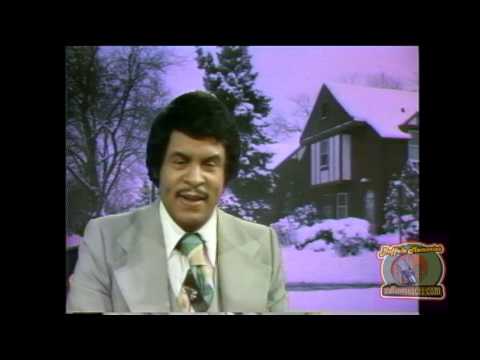
Do you remember the Buffalo Blizzard of 1977? This unbelievable storm paralyzed western New York for nearly two weeks. If you have your own photos or stories about winter in New York, we'd love to hear them.
If you're proud to be from the resilient state of New York, you can wear your state pride on your sleeve with this apparel from Wear Your Roots.
Subscribe to our newsletter
Get the latest updates and news
Thank you for subscribing!