There’s a Deadly Plant Growing in New Hampshire Fields That Looks Like a Harmless Weed
This invasive weed that has spread here from other parts of the world is often mistaken for other safe and harmless plants.
Nature is a wonderful thing, but it can also remind us that it needs to be respected. Even the most innocuous-looking weeds can be harmful to humans if not correctly identified. Most of the time, when we are out in our yards or in the woods, there is nothing to worry about. But there is one invasive plant in New Hampshire that you should be aware of that can cause serious health problems and even death: Poison Hemlock.
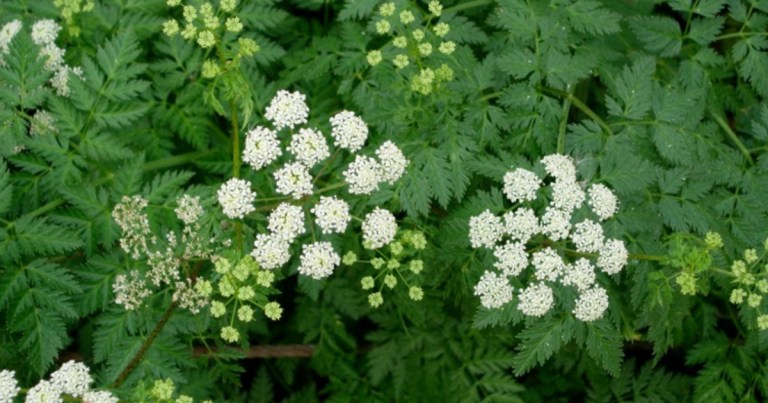
Poison Hemlock, or Conium maculatum, is a hardy plant that can thrive in diverse environments. It is native to Europe but has spread to North America and has become an invasive weed. The plant grows mostly in poorly-drained soil near streams and ditches. It can also appear alongside roads and cultivated fields. All parts of the plant are highly toxic.
Poison Hemlock is often confused with wild carrot, as they are similar in appearance. The big difference is that wild carrot is edible as a young plant. Queen Anne's lace is also mistaken for Poison Hemlock. This perennial plant is edible and is foraged in the wild.
Poison Hemlock is deadly to both humans and nearly all animals. Sheep have been suggested as a means of mitigation, as they are less susceptible to the plant's effects.

Hemlock was used to fatally poison condemned prisoners in ancient Greek times. The philosopher Socrates was probably the most famous figure put to death via this method.
As this invasive plant in New Hampshire poses a great health hazard even from handling, homeowners should take proper precautions when disposing of it if found. For more information on how to handle poison hemlock safely, visit the University of California, Division of Agriculture and Natural Resources.

Of course, while there are things to watch out for while walking in nature, they are largely overshadowed by spectacular beauty. For a great example of this, check out this New Hampshire island that looks almost tropical.
Subscribe to our newsletter
Get the latest updates and news
Thank you for subscribing!