Next Month, Watch The Nevada Skies Light Up During One Of The Best Meteor Showers of The Year
Nevada offers a variety of stunning natural wonders, from unique rock formations to beautiful waterfalls and scenic vistas.
In December, we saw the arrival of the spectacular Geminid meteor shower in our state. Whether you were able to catch it or not, you may be wondering when we can expect another stellar display of falling meteors here in Nevada. Well, it turns out you won't have to wait very long at all! Another highly anticipated meteor shower will be visible this month. This one is called the Quadrantid meteor shower and it's definitely worth looking out for as the peak of this shower approaches.
The Quadrantid meteor shower will be the first big astronomical event of 2022, so you'll want to be sure to get outside and catch it.
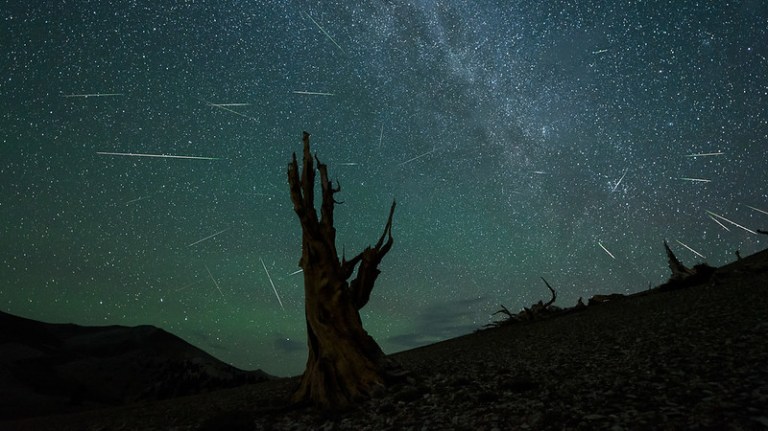
Expected to peak in early January, this meteor shower marks a spectacular start to the new year.
The Quadrantid meteor shower is actually already active and is expected to remain that way until January 16th. However, you'll want to be sure to mark your calendars for January 3rd-4th, which is when the shower will be at its ultimate peak.

Assuming perfect nighttime conditions, the Quadrantid shower will produce around 120 meteors per hour during its peak.

The moon will be in "new" phase, too, so viewing conditions ought to be nice, weather allowing.
The sight of meteors shooting across the pitch black sky is always a spectacular thing to witness.

However, the experience takes on a whole new meaning when you take a moment to consider that these meteors have made an annual appearance for centuries, and will continue to do so for centuries to come.
Interestingly enough, experts aren't entirely sure what the parent object of the Quadrantid meteors is.

However, in 2003, an astronomer hesitantly identified the parent object as an asteroid named EH1, which in turn may be a comet that was observed by astronomers up to 500 years ago!
The Quadrantids are a notably rich meteor shower, but it's also known for its unusually short peak time.

Some years, the meteor shower peaks for just a few hours. This means it'll be as important as ever to get out on the evening of January 3-4 and catch the sight of these shooting meteors while you can.
Generally, the Quadrantid's peak occurs around 2 a.m., so prepare for a late night. Lucky for us, the absence of moonlight should make for great meteor-viewing conditions.

Now, all we have to hope for are clear skies!
Are you excited for another amazing meteor shower in our state? Show us your photos of meteor showers past in the comments below! Get some inspiration for possible stargazing spots by reading up on The Remote Park In Nevada That's One Of The Darkest Places In The Nation.
Subscribe to our newsletter
Get the latest updates and news
Thank you for subscribing!