A Parasitic Bug Has Been Spotted In Delaware And Its Bite Can Be Deadly
Kissing Bugs, which can transmit Chagas disease, have been confirmed in Delaware, posing a new health risk.
Delawareans are used to the usual hazards of life in the First State. We've got traffic, spiders, snakes, and the occasional shark to watch out for - but did you know that the CDC recently confirmed that there are kissing bugs in Delaware? These dangerous, parasitic bugs can pack a deadly punch. Learn how to spot the bugs and what to do if you've fallen victim.
The infamous Kissing Bug, or Triatoma, has officially made an appearance in Delaware, according to the CDC. This harmful parasitic bug has been linked to Chagas disease, a potentially fatal sickness.
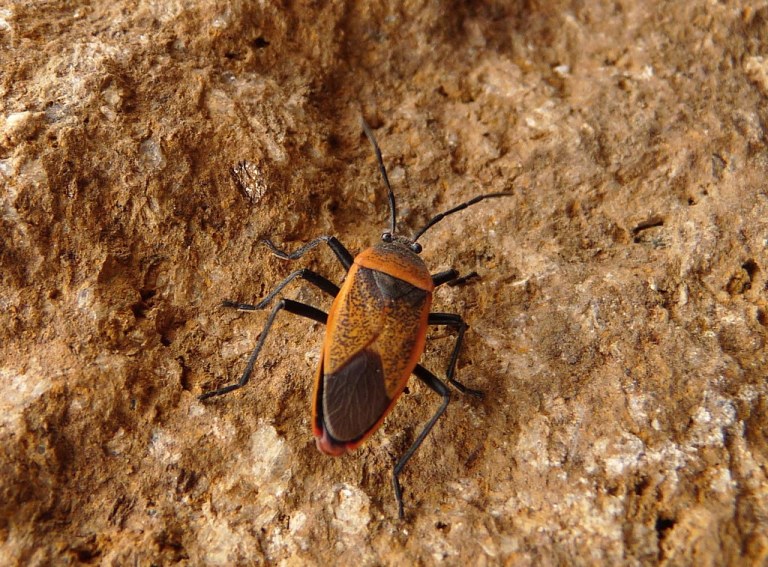
Kissing Bugs are typically considered warm weather bugs, and the most common sightings in the country are in the Southwest. However, as we have warmer and warmer years, their territory is expanding rapidly.

So far, the only confirmed Triatoma bite has been in Kent County - but it's alarming that the bug has shown up at all in the First State. If you think you may have been bitten, head to your doctor ASAP to get checked out.

While there are many species of Kissing Bug, they all look similar, and you can spot them by their flat orange or red backs. They typically bite people on the face, hence their nickname.

These creepy flying insects have the potential to transmit Chagas, which can lead to cardiac and gastrointestinal complications in up to 30% of infected people. Children and those with weakened immune systems are most at risk.

Kissing Bugs are typically found around woodpiles, dog kennels, and in sheds. Be sure to keep an eye out when you're working out in the yard.

While not every bite from the Kissing Bug is deadly, it's now something you have to watch out for here in the First State.

The confirmed Delaware spotting occurred in the summer of 2018 when a young girl was bitten on the face on her parents' rural, wooded property. According to media reports, she did not get sick from the bite.
You can read more about Triatoma and Chagas Disease on the CDC website, here.
Subscribe to our newsletter
Get the latest updates and news
Thank you for subscribing!