Watch Up To 100 Meteors Per Hour In The First Meteor Shower Of 2020, Visible From Colorado
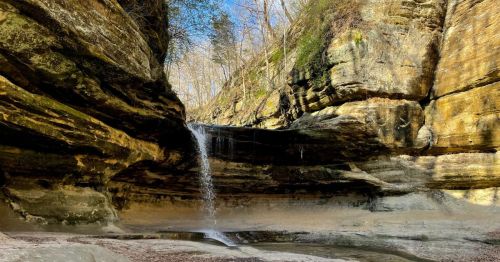
Colorado offers a diverse array of stunning natural wonders, including canyons, waterfalls, caves, and scenic vistas.
No matter the day or night, Colorado's skies are basically guaranteed to be pristine, as evidenced by our incredible cloud formations, sunrises, and sunsets. While most days and nights are beautiful in their own way, the nighttime sky is about to become even more incredible, thanks to Colorado's first can't-miss meteor shower of 2020:
Beginning December 27th and lasting through January 10th is the Quadrantids, an annual meteor shower that is historically the biggest and best of the year.
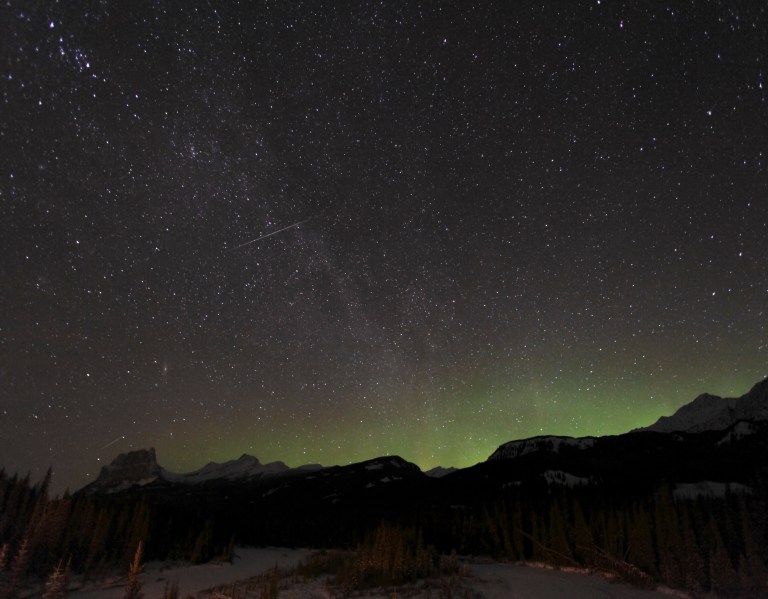
Nicknamed the "Quads," the can't-miss Quadrantids originates from asteroid 2003 EH1, which is a rock comet that was discovered and identified in the last 20 years (hence the "2003" in its name). It shoots off fragments that resemble bright, colorful, and easy-to-spot fireballs.

What can you expect to see during the Quadrantids? Weather permitting, you may be able to spot up to 120 meteors an hour during the Quadrantids' two-week span, the peak of which takes place late night January 3rd through early morning January 4th.

As you can see from the pictures, the Quadrantids is a photographer's dream come true, so be sure to have your cameras ready, as the peak only lasts a good 6 hours.

While our cities are downright dazzling, they also cause a ton of light pollution, so the best place for viewing is in state parks and rural areas in the northwest, along the Eastern Plains, and in the southcentral part of Colorado.

Tip: Did you know that Colorado is home to three International Dark Sky Community-inducted towns? For the darkest and best nighttime skies in Colorado, check out the small towns of Norwood, Silver Cliff, and Westcliffe (pictured).

For more information on these dark sky communities, check out This Remote Little Westcliffe In Colorado Is One Of The Darkest Places In The Nation.
The Quadrantids can be found just below the Big Dipper constellation's handle, so be sure to go out and find this famous formation before your meteor shower-watching adventure!

For more information on the Quadrantids and other upcoming meteor showers, please visit the American Meteor Society's website. For even more things you can allegedly see in a Colorado sky, check out You May Be Surprised To Learn That Colorado Reported A Record 117 UFO Sightings Just This Year.
Subscribe to our newsletter
Get the latest updates and news
Thank you for subscribing!