This Urban Beach Has Some Of the Coolest Ancient Fossils in Northern California
If you're looking for unique beachcombing finds, Capitola is one of the best places in California to hunt for prehistoric marine life.
To those who don't live here, the Golden State is known for many things: celebrity-filled beaches, wineries, Hollywood, fine dining, gorgeous architecture, the best fresh produce you've ever tasted—the list goes on. But once you start exploring this incredibly diverse state, you realize that it also wears an equally incredible ancient past on its sleeve. From the towering redwoods that predate even the Egyptian pyramids to the volcanic remnants that dot its parks and deserts, California is a living museum of geological and prehistoric history. Even the coastline tells a story of ancient seas, shifting continents, and the creatures that once ruled them both.
Capitola Beach is just one such chapter in California’s lengthy natural history.
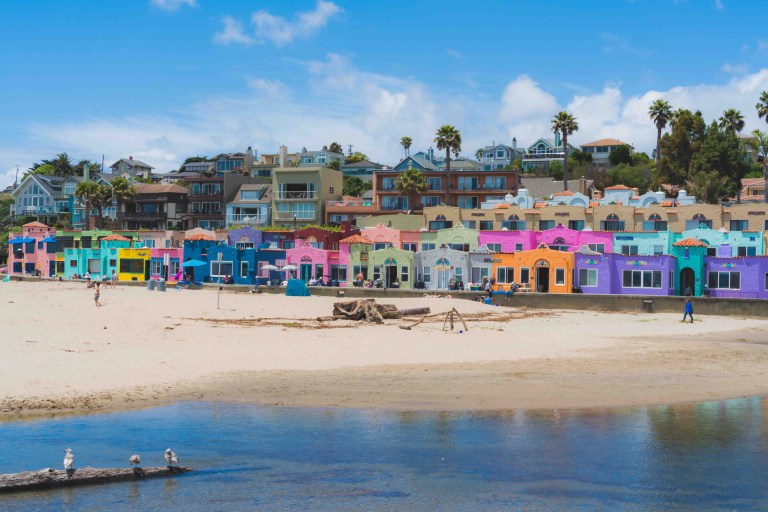
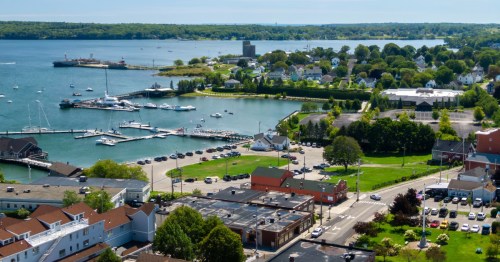
With its quaint, pastel-colored waterfront cottages, pretty boardwalks, and wide-open, sandy shoreline, Capitola Beach in California may look charming and serene (which it is), but its ancient secrets are also surprisingly accessible. This urban beach in Capitola is a unique treasure trove of prehistoric remains, just waiting for locals to happen upon. Fragmented remnants of a prehistoric ocean that once overflowed with whales, sea lions, and unexpected prehistoric creatures you’d need a geology book to name can be found in just about every nook and cranny here—but only for those who take their time exploring and keep their eyes open.

As an amateur history buff, I think that understanding what makes Capitola’s fossils so intriguing starts with the geology. The Purisima Formation, a thick layer of gray-blue sandstone, forms the cliffs along the beach. These cliffs tell the story of a time when the Pacific once covered the entire coastline. Today, this geological layer, which dates back to the Pliocene Era, is a fossil goldmine for marine creatures, both big and small. The fossils exposed here range from large ocean mammal bones, like dolphins and whales, to smaller mollusks and sea creatures. And yes, you can even find shark teeth too!
Capitola Beach lies at the edge of the formation, where centuries of erosion have gradually exposed these fossilized remnants. Every winter storm and high tide carves away more of the cliff face, releasing bits of sea lion skulls, chipping away rocks full of bivalves, and even exposing ancient sand dollars that have been hidden for millions of years. As the ocean continues to shape the coast, Capitola Beach has become a natural exhibition space that's constantly changing. But you'll have to look closely or you'll walk right by.


Interestingly, this entire area is a well-known fossil site. New Brighton Beach, just two miles away, has its own rare finds, although its large-scale remains seem to be fewer. In between, "The Boneyard" is a narrow, isolated beach that's only exposed at negative tide, and it's literally packed with fossilized shells, embedded into the rocks and tucked amongst the barnacles, now permanently a part of the coast they once called home. This whole stretch of the coast is an easy stroll along the water or a quick drive if the weather isn't cooperating.

While this scenic slice of beach between Capitola Village and New Brighton is an absolute treasure trove for scouting out prehistoric remains (and even some modern marine remains too!), there are plenty of other seriously cool fossil-hunting spots in California as well. Places like Año Nuevo State Park offer guided geological tours, and Crystal Cove State Park even has a dedicated geology trail that shows off ancient rock strata. But the thrill of the hunt is the name of the game in and around Monterey Bay.

The best time to explore Capitola Beach is during low tide. When the waters recede, they expose the most productive rock shelves and densest fossil sections of the cliffs, allowing you to hunt for treasures more easily. But it’s not always guaranteed that what you find today will be there tomorrow—storms, tides, and ongoing erosion mean the landscape is constantly shifting.
This is Mother Nature's artwork, and many of these same beach nooks and pools house countless still-living creatures, so please leave all fossils, shells, and finds where they are. Legally, they need to be left undisturbed, which is why dogs aren't allowed on the beach. It's also important to use caution while exploring since large rocks and debris can tumble down from the cliffs without warning, and the tide rolls in fast if you happen to lose track of time.
If you’re looking to brush up on both modern and ancient local history before you head out, the Santa Cruz Museum of Natural History is a fantastic place to start. It’s a short drive away from Capitola and offers an in-depth look at the region’s geological past, including fossils from the Purisima Formation and other sites nearby.

Just like much of inland California was shaped by wind and ancient rivers and lakes, its 840-mile coastline is the product of eons of violent seismic activity and sculpting by the elements. In Northern California, in particular, those layers of time have left their mark embedded in coastal cliffs and buried in the soft beach sand. As the cliffs erode and the tide retreats, these fossilized remains from a long-gone marine world offer a rare chance for beachgoers to step back millions of years into the past without the museum entrance fees. Tread lightly, bring a camera to document your finds, and enjoy the hunt!
Subscribe to our newsletter
Get the latest updates and news
Thank you for subscribing!