The Small-Town State Park in Northern California Locals Want To Keep to Themselves
Discover a quiet, small-town state park in Northern California where scenic views, peaceful trails, and local charm make it feel like a hidden gem.
There’s something magical about discovering a place that feels like a secret, the kind of destination locals quietly cherish while crowds flock elsewhere. In Northern California, tucked into the Sierra Nevada foothills, one small-town state park delivers exactly that experience—Malakoff Diggins State Historic Park. This is the kind of spot you might stumble upon while exploring the best state parks in California or browsing lists of hidden gems in California, yet it still feels wonderfully under the radar.
If you’re searching for a peaceful escape filled with history, rugged scenery, and wide-open trails, this small-town state park in Northern California deserves a spot on your list.
Why This Small-Town State Park Stands Out in California
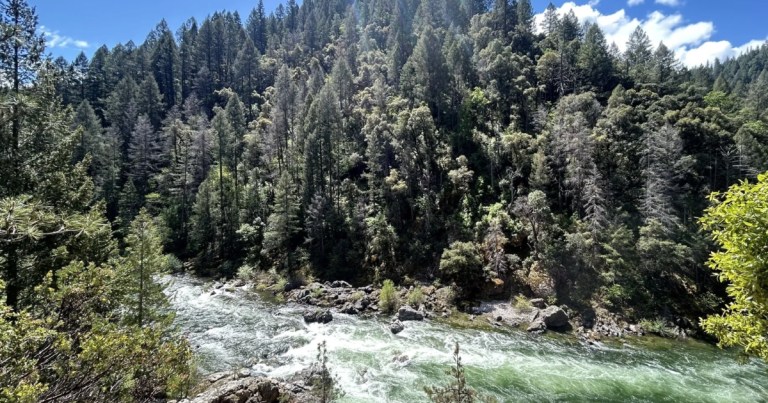
What makes Malakoff Diggins State Historic Park so special isn’t just its scenery; it’s the atmosphere. Located near the tiny historic town of North Bloomfield, the park feels worlds away from busy tourist corridors. Instead of traffic jams and crowded parking lots, you’ll find quiet roads, friendly locals, and a sense of stepping back in time.
This destination stands out among small-town destinations in California for its combination of natural beauty and a fascinating past. Once home to the largest hydraulic gold mine in the state, the area features dramatic cliffs carved by powerful water cannons used during the Gold Rush era. Today, visitors can explore the preserved town, scenic trails, and sweeping foothill views at a relaxed pace.
What You’ll Experience at Malakoff Diggins State Historic Park

The first thing you’ll notice when you arrive at Malakoff Diggins State Historic Park is the landscape. Towering, multicolored cliffs rise above the valley floor, their shapes sculpted by mining operations more than a century ago. These striking formations create one of the most unusual views in Northern California and serve as a reminder of the region’s Gold Rush heritage. The park encompasses roughly 3,000 acres of forested foothills and historic sites, offering plenty of room to explore.
Trails wind through pine and oak forests, past old mining equipment, and down into quiet valleys where birdsong replaces the noise of modern life. Some paths lead to scenic overlooks, while others follow creeks and seasonal waterfalls. With more than 20 miles of hiking routes, there’s enough variety to keep visitors returning year after year, whether they prefer short scenic walks or longer backcountry adventures.
You might hear wind rustling through tall trees, spot deer grazing near the trail, or catch the scent of sun-warmed pine needles in the afternoon air. The pace here is slower and calmer, which is exactly what many travelers hope to find when searching for things to do in California or planning the best hikes in California.
Local Tips for Visiting

Timing can make all the difference when visiting this quiet park. Locals often recommend arriving early in the morning or later in the afternoon, when temperatures are cooler, and the light casts a warm glow across the historic buildings and surrounding cliffs. These quieter hours also offer the best chance to experience the park's peaceful atmosphere, making it feel like a hidden retreat.
Spring and fall are widely considered the most comfortable seasons to visit. Wildflowers brighten the landscape in spring, while autumn brings crisp air and subtle color changes in the surrounding forests. Summer remains a popular time to explore, but midday temperatures can rise quickly in the foothills, making shaded trails and early starts especially valuable.
Visitors should also plan for the park’s remote setting. Services are limited in the nearby community, so bringing water, snacks, and a printed map can make the trip more enjoyable. The drive itself is part of the adventure, winding through scenic countryside that gradually reveals the region's historic character.
What to Know Before You Go

Before heading out, it’s helpful to check current conditions and seasonal updates. The park is generally open daily from sunrise to sunset, though visitor center hours may vary depending on staffing and weather. Road access can occasionally change during winter storms or periods of heavy rain, so confirming details ahead of time helps avoid surprises.
For accurate planning information, travelers should review the official resources provided by the state park system. You can explore current hours, directions, and safety updates on the official Malakoff Diggins State Historic Park website, which offers maps and visitor guidance. Additional travel inspiration and planning tools are available through the California state tourism website, where visitors can discover more outdoor destinations across the region.
Hit the Ground Running
Some destinations feel crowded the moment you arrive, while others feel like they’ve been quietly waiting to be discovered. Malakoff Diggins State Historic Park belongs firmly in the second category.
With its dramatic landscapes, fascinating history, and peaceful trails, this small-town state park remains one of Northern California’s true hidden gems. It offers the kind of experience that travelers remember long after the trip ends, a reminder that the most meaningful adventures are found in places that locals have treasured for generations.
Exploring destinations like this encourages a slower, more thoughtful style of travel. When visitors approach these quiet outdoor escapes with curiosity and care, they help ensure that the park’s beauty and history remain intact for years to come.
Subscribe to our newsletter
Get the latest updates and news
Thank you for subscribing!