Minnesota Is Bracing for an Intense Wildfire Season This Summer
Planning a trip up north? Summer weather in Minnesota might include extreme wildfire smoke. Here is how to prepare for poor air quality and stay safe.
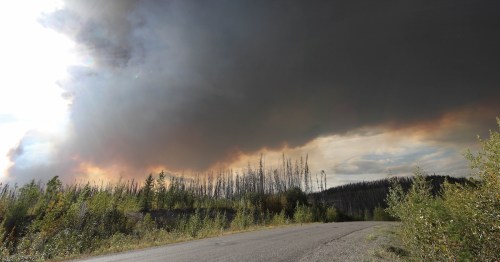
If you're planning to head Up North this summer, you should probably expect to encounter some wildfire closures—especially in the Superior National Forest and the Arrowhead Region. This year's hot and dry summer weather in Minnesota created tinderbox conditions that ignited after powerful convective storms skirted the Canadian border, with lightning striking the ground and causing more than a dozen wildland fires. Compounding the problem of the fires themselves, smoke from these wildfires, as well as several burning in Ontario, has severely affected air quality throughout the Land of 10,000 Lakes. This doesn't mean you shouldn't visit northern Minnesota—in fact, businesses Up North need you now more than ever. Rather, you should be ready to be flexible and properly prepared so your vacation plans don't go up in smoke.
Why the Wildfire Risk Is So High Right Now
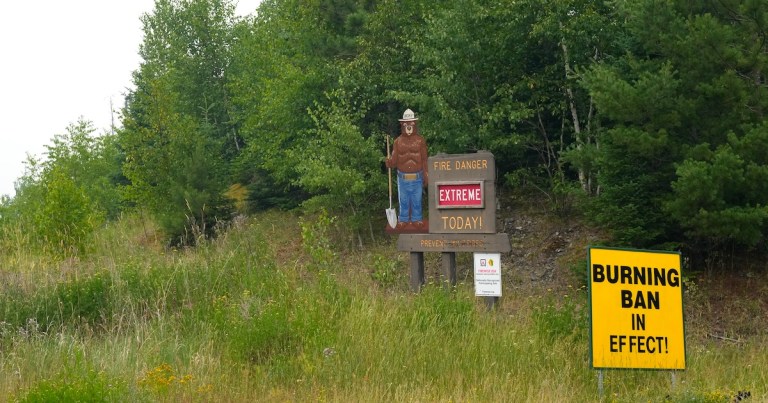
Although we have seen some near-record snowfall in the last decade or so, we've also had some winters that were among the warmest and driest on record. The overall trend of warmer winter weather has led to historically low snowpacks, which were compounded by abnormally dry or even drought conditions across much of the Northland. These extreme summer conditions in Minnesota have, in turn, significantly increased the wildland fire danger Up North and along the Canadian border.
How This Impacts Summer Travel in Minnesota

The wildfires directly impact folks who were hoping to travel to the affected areas this summer. For example, for only the third time ever, the U.S. Forest Service closed the entire Boundary Waters Canoe Area Wilderness and canceled all permits for several days. At this time, the closure is expected to remain in effect through at least July 24, 2026. Visitors to portions of the Superior and Chippewa National Forests that are still open face burning bans and fire restrictions, as do visitors to state and local parks in the region, including most of the popular state parks along the North Shore of Lake Superior, which are some of the best summer destinations in Minnesota.
For the rest of us, it's the wildfire smoke that's the biggest problem. At times this summer, the air quality index (AQI) in Minnesota has been among the worst on the planet. This not only affects travel plans—since it can be unhealthy to even venture outside on some days—but also our daily lives. So, when making travel plans in Minnesota this summer, it'll be important to keep an eye on these two variables.
How To Prepare and Stay Safe

Because the active wildland fires are confined to a limited area and air quality is variable, you can still travel in Minnesota, as long as you keep in mind a couple of summer travel tips. If you're hoping to visit areas near Ely or along the Gunflint Trail, be sure to check the DNR fire danger page frequently—before and during your travel—for the most up-to-date alerts and restrictions. You'll find information on burn bans there, as well. Before you head out anywhere in the state, check the AQI forecast just as you would the weather, and if the air quality is unhealthy or worse, consider altering your travel plans or finding indoor things to do in Minnesota. Keep a face mask handy in case the AQI spikes while you're out and about.
Forest Service officials caution that the wildfires up north will likely continue burning until the first snowfall. This means the fire danger and air quality issues will be a fact of life in Minnesota this summer. You don't have to avoid traveling—the AQI can affect you anywhere in the state, anyway—just keep your wits about you and prepare properly so you can get out and enjoy all the wonderful outdoor activities our state has to offer.
Subscribe to our newsletter
Get the latest updates and news
Thank you for subscribing!