Don’t Try This Southern California Hike if You’re Afraid of Heights
Perched high in the San Gabriel Mountains, Mount Baldy’s Devil’s Backbone follows a narrow ridgeline with sweeping alpine views, steep drop-offs, and constant exposure, making it one of Southern California’s most intimidating hikes for those afraid of heights.
One of the most well-known hikes in Southern California, drawing hikers seeking high-elevation views, rugged terrain, and an authentic mountain experience, is Mount Baldy via the Devil’s Backbone Trail. Hikers who are afraid of heights, take note: this trail quickly shifts from exciting to overwhelming, thanks to its narrow ridgeline, lack of safety barriers, and steep drop-offs. But for the brave of heart, the payoff is well worth the discomfort on the route.
The Start of the Trail
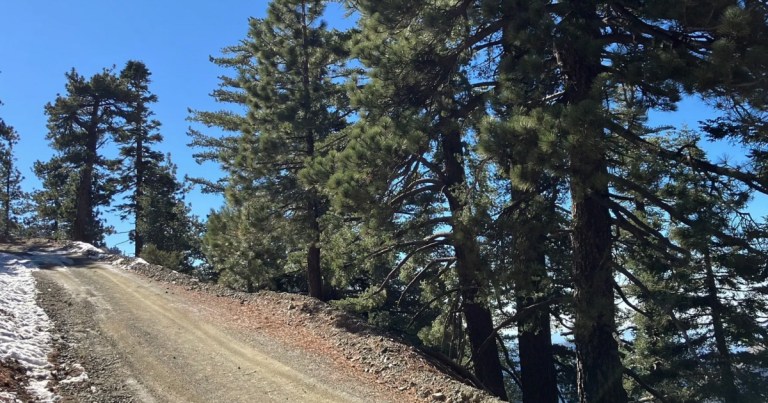
The Devil’s Backbone is a ridgeline route that connects Baldy Notch to the summit of Mount Baldy (also known as Mount San Antonio). Many hikers access the trail by taking the ski lift to Baldy Notch, while others hike up from lower elevations. From the Notch, the trail follows a long, exposed ridge before climbing steeply toward the summit. Although the trail does not require technical climbing skills, it is considered a high-exposure hike. Long sections of the trail leave hikers fully exposed to steep drops on both sides, making it especially unsuitable for anyone with a fear of heights or vertigo.
Why Devil’s Backbone Is So Intimidating
The most unsettling feature of Devil’s Backbone is its narrow width. In several areas, the trail narrows to only a few feet wide, with thousands of feet of open air dropping away on both sides. There are no guardrails, safety cables, or natural barriers to provide a sense of security. For hikers afraid of heights, this type of exposure can trigger intense anxiety. Simply passing another hiker or stopping to rest can feel dangerous when there is little room for error. The constant awareness of the drop below makes it difficult to relax or enjoy the scenery.

Extreme Exposure and Weather Along the Ridgeline
Devil’s Backbone is often described as a knife-edge ridgeline, and that description is not an exaggeration. The trail offers unobstructed views straight down the mountainside, creating a strong sense of vulnerability. Unlike forested trails where trees and vegetation provide visual comfort, this route leaves hikers fully exposed to the surrounding terrain. This level of exposure is particularly challenging for people who struggle with depth perception or balance. Even physically fit hikers may find the mental strain of the ridgeline exhausting.
Weather plays a significant role in how dangerous Devil’s Backbone can be. Because the trail sits on an open ridgeline, strong winds are common and can arrive without warning. Sudden gusts can make it challenging to maintain balance, especially on narrow sections of the trail. In winter and early spring, snow and ice often linger along the ridge. Icy patches combined with extreme exposure have led to numerous rescues and fatalities over the years. For hikers afraid of heights, these conditions can turn fear into a serious safety concern.
No Easy Exit Once You’re on the Ridge
One of the most stressful aspects of hiking Devil’s Backbone is the lack of escape options. Once hikers commit to the ridgeline, there are very few safe places to step off the trail or take a break. Turning around can feel just as frightening as continuing forward.
This lack of flexibility can lead to mental fatigue, especially for hikers who are managing anxiety the entire time. Fear combined with exhaustion increases the risk of mistakes and accidents.

Final Thoughts on Avoiding Devil’s Backbone
Mount Baldy via Devil’s Backbone is one of the most exposed hikes in Southern California. While it offers stunning views and a sense of adventure, it also presents serious risks for hikers who are afraid of heights. Choosing a safer route does not mean missing out on Mount Baldy or the San Gabriel Mountains.
For travelers seeking something more to explore in Southern California, be sure to use the Only In Your State AI-powered itinerary planner to receive customized local restaurant, activity, and event suggestions. Understanding your limits and selecting trails that match your comfort level are among the most important aspects of hiking safety. Southern California offers countless scenic hikes that do not require walking along a narrow ridgeline with extreme drop-offs.
Subscribe to our newsletter
Get the latest updates and news
Thank you for subscribing!