Few People Know That Chicago, Illinois Was Once Called ‘Skunk Town’
Chicago was once called "skunk town" due to the prevalence of skunks in the area, a name given by Native Americans.
Few people know that Chicago, Illinois was once called "skunk town," but those who are from here probably know why. During a certain time of year, this place is riddled with the critters, so it should come as no surprise that they were once so prevalent that Native Americans named the area after them. Scroll on for more details.
In 1833, several Algonquin and other Native American tribes signed the Treaty of Chicago which transferred 15 million acres of Potawatomi, Ojibwe, and Odawa land in the Midwest for land in the west.
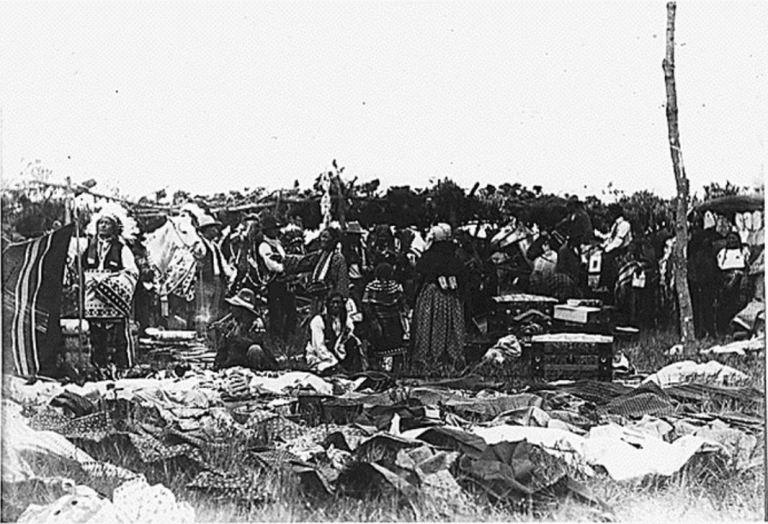
Explorers and settlers kept many of the names that the natives had for the towns, rivers, and roadways that were already in place. This is where the north part of Illinois gets many of its namesakes, including Chicago.

Chicago is translated from "shikaakwa" which is a Miami-Illinois word that loosely translates to wild onions, but the Ojibwe word for the area was "Zhigaagong" which means "on the skunk," and it is documented that the Potawatomi called the place "skunk town."

Chicago was originally a small fur-trapping and trading town. While wild onion certainly did grow here, the population of skunks outdid the onions, and it still does.

It is believed that onions themselves are even named after skunks due to their pungent smell and were called "skunk cabbage."

Skunk musk was a common Ojibwe medicine for pneumonia. It could be that the illness was so offended by the smell that it decided to leave the body.

The linguistics behind the words for a skunk's tail and how onion stalks grow out of the ground are the same. It is fitting then that this is the city of skyscrapers where buildings protrude from the ground.

Did you know that Chicago was once called "skunk town?" Share your thoughts with us below in the comments
For more like this, check out these seven petting zoos in Illinois that locals adore.
Subscribe to our newsletter
Get the latest updates and news
Thank you for subscribing!