Craving a journey off the beaten path? Backroad Bites uncovers the unsung heroes of local cuisine—mom-and-pop diners, hidden food trucks, and beloved neighborhood spots where flavor tells the story of a place. We celebrate the dishes, traditions, and passionate people that make each community unique. So buckle up and join us on a delicious detour—because the best meals aren’t always found on the main drag.
I Went to a Thai Restaurant in Florida With a 200-Year-Old Recipe—and Now Every Other Dumpling Tastes Boring
Step into Nour Thai Kitchen and experience the perfect balance of bold spices, fresh ingredients, and timeless Thai recipes crafted to delight every palate.
When you think you're eating authentic Thai food, chances are, you're likely not. What we've grown to eat here in the United States is a more Americanized version of Thai food, think pad thai, pad see ew, etc. You see, I didn't know this truly until I spent a meal at Nour Thai Kitchen in Oakland Park, Florida, which gave me an experience that goes beyond just delicious food. I'm going to emphasize the word "experience" here, because this Fort Lauderdale restaurant is so much more than what meets the eye.
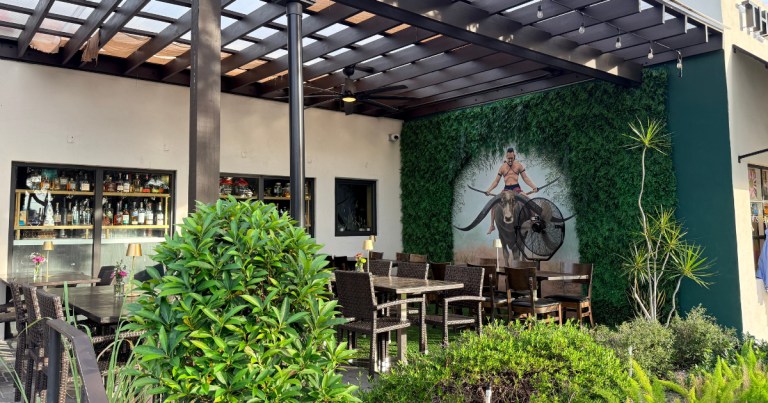
Nour Thai in Oakland Park isn’t just serving food — it’s telling a story centuries in the making. Rooted in a specific region of Thailand, the restaurant builds its menu, cocktails, and even its interior design around the heritage of its owners and chef, who hail from the same village. Dishes like Chor Muang, a purple “royal dumpling” once reserved for Thai royalty, require hours of meticulous hand preparation and exact measurements using traditional ingredients like 100% palm sugar and complex spice blends. At hundreds of years old, this recipe is one of the main reasons people come from all over to dine here.
I decided to sit at the bar for my visit, mainly so that I could speak to the staff and get a feel for what the restaurant has to offer. I started with a Singha beer (on happy hour) and a hot sake.

It was shortly after, while the staff was setting up for dinner service, that I found myself in conversation with Andrew, a server who seemed to have an encyclopedia of knowledge about Nour Thai, its owners, and the menu. Andrew explained to me, "Ken, our owner Edric’s husband, comes from a place called Yasipong, and our chef is from the same village. Our chef, Yute, was a Buddhist monk for about 10 years and has been a chef for 35 to 40 years. Everything we do is focused on where they come from. You’ll see a lot of fermented items, crispy rice, and traditional techniques throughout the menu."
I was curious about the difference between this Thai food and others I've had throughout the country, which tended to lean more toward the Americanized version of the cuisine. Andrew explained, "We don’t use canned products, artificial dyes, or food preservatives. We’re seed-oil free, and we source ingredients from four local farms, with deliveries every two to three days to keep everything fresh."
He showed me the bitters at the bar, all made from scratch in-house. He explained the process of hand-folding hundreds of dumplings and how the measurements for spices needed to be exact.

I opted for two popular dishes to taste test: The Money Bags and the veggie Gui Chai. The Money Bags are deep-fried pockets of flavor, filled with sweet potato, corn, pea, onion, and curry powder. A savory pineapple sauce sits on the side. The Gui Chai was a scallion-forward dumpling in a rice wrapper, paired with a spicy sauce with chopped peppers and more scallions. Both dishes were filled with flavor and freshness and honored a technique of authenticity I knew was special as I was devouring them.
That commitment to authenticity recently earned Nour Thai the prestigious Thai Select certification from the Thai Ministry of Commerce — an honor shared by only a handful of restaurants in Florida. The recognition came after an unannounced inspection that evaluated everything from ingredients to cooking techniques.
Inside the restaurant, murals, lighting, and textures reflect jasmine rice fields, Buddhist symbolism, and regional folklore, creating an immersive dining experience rather than a quick meal.

Andrew continued, showcasing the intention behind everything in the restaurant, down to the murals and decor. He explained, "Every mural, every color, and every painting is connected to one narrative from [the Issan] region. The lamps above us represent sunsets in their village. The floors symbolize jasmine rice fields. Even the Naga imagery on the walls tells a story tied to flooding, harvest seasons, and local mythology."
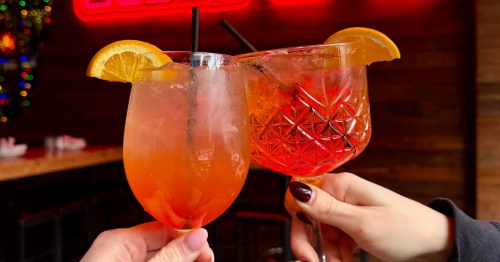
Even the drinks have special meaning. Andrew went on, "Our cocktails follow the same philosophy. Every drink is named after something historically or mythologically important, like Hanuman, the monkey king, or Tosakan, the demon king. We even have cocktails inspired by Thai folklore love stories, with garnishes symbolizing different characters."
All in all, the experience I had was one of pure joy and knowledge. I walked away with an understanding of regional Thai cuisine and how vastly different it is from other Thai food experiences I've had. When I was finishing up and asked Andrew if he gives this much information to all his tables, he immediately nodded and said yes. He explained, "We don’t believe in flipping tables. With thousands of restaurants in this area, if someone chooses to come here, we want them to have an experience — not just a quick meal."
Feeling inspired? Try planning your own trip to Fort Lauderdale, Florida, using Only In Your State’s itinerary planner.
Subscribe to our newsletter
Get the latest updates and news
Thank you for subscribing!