Step Inside the National Videogame Museum in Texas and Play Retro Gaming Classics
Most museums ask—require—you to look. This one insists you play.
When my family and I pulled into the Frisco Discovery Center on a chilly afternoon just before Christmas, I was fully prepared to spend a couple of hours waiting and wandering while my kids had fun. I was not prepared to completely lose track of time playing Duck Hunt.
That's the magic of the National Videogame Museum in Frisco, Texas. It manages to be unexpectedly immersive and genuinely fun—even for someone like me, who not a soul on earth would consider a gamer. This remarkable attraction is dedicated to the history of videogames, but it’s just as much arcade as it is museum (arguably more so, actually). After spending an afternoon there with my 9-year-old daughter, 11-year-old game-enthusiast son, and my husband, I’m practically qualified enough to give you a tour.
Why the National Videogame Museum Feels More Like an Interactive Time Capsule
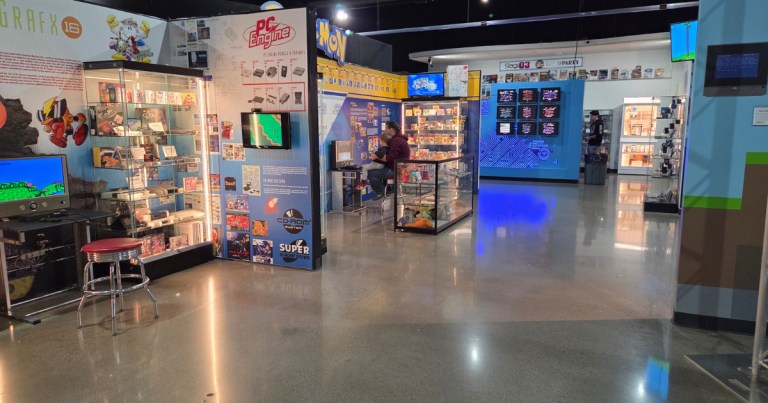
Most museums ask—require—you to look. This one insists you play.
The National Videogame Museum houses thousands of videogame consoles, games, and artifacts spanning over five decades of gaming history. But what sets it apart from a simple museum-like collection (aside from being able to play the games) is the way it’s organized and experienced. Instead of presenting objects behind glass with placards, the museum flows like a walk through time, each section corresponding to a different era in gaming.
Within minutes of walking in, you move from the coin-op origins of gaming in the 1970s to the pixelated explosion of the '80s arcade boom, then through the console wars of the '90s into recent decades. The visual design of each zone, down to lighting and props, makes you feel like you stepped into that era rather than just read about it. Even compared to a number of ultra unique museums in Texas, this one is hard to beat.
The Re-Created Rooms Were the Most Nostalgic Part of the Experience

Sprinkled among the exhibits, there are a few exceptionally well-curated theme rooms. The most talked-about of these (at least in my crew) is the 1980s bedroom, a spot-on, no-detail-overlooked recreation of a kid's room from that era. Ferris Bueller’s Day Off and Depeche Mode posters adorn the walls, a bean bag and shag carpet on the floor. The desktop Duck Hunt setup looks exactly as it would’ve in the late 1980s or early ‘90s, complete with a denim jacket slung over the chair.
Right next to that, there's a basement gaming setup, which captures the very specific home decor taste of the ‘80s: faux wood-paneled walls, a mustard-and-pea-colored sofa, and a console TV taken over by Nintendo. The replica Pokemon ‘store’ exhibit was another big hit, particularly with my son, an aspiring collector.
You Can Actually Play Many of the Vintage Games

The museum’s arcade has nearly 40 classic game cabinets (think Pac-Man, Space Invaders, Frogger), and your admission ticket gives you access to play them with no quarters or tokens required. For families, this is a genuine gift—you're not hemorrhaging money every time a kid wants “one more” turn.
But something that sets it apart is many of the games on display are available to play throughout, not just in the arcade. My husband had to practically peel me away from Paper Boy on a Game Boy, and we found Tetris on a handheld system that resembled a magic 8-ball.
The boys gravitated toward the fighting and shooting games, while my daughter discovered Centipede and would not be moved for a solid 20 minutes. And I—again, not a gamer, but a product of the late ‘80s—found the original Donkey Kong and had a sort of quiet reunion with my youth. If that kind of hands-on walk down memory lane is your thing, you’ll also love this nostalgic toy museum in Texas.
Even as a Non-Gamer, I Was Surprised By How Engaging it Was
What the National Videogame Museum actually offers, beyond the obvious, is an immersive history of technology and popular culture told through an approachable lens. Gaming doesn't just entertain, it shapes how we think about competition, social interaction, and creativity. The museum makes that case quietly but effectively, encouraging visitors (this one, at least) to consider things they never had. Like, for example, how each new game console generation has ushered in entirely different relationships between players and games.
The exhibits also prove that gaming has never been just for kids or for a certain type of person. You can explore vintage arcade games at plenty of spots around Texas, but the context and storytelling here elevate the experience considerably.
What Families Should Know Before Visiting the National Videogame Museum

I’d say the museum is best for ages five and up, but even toddlers will love shooting in Duck Hunter or putting on a VR headset. Budget for two to three hours; you can rush through in an hour, but don’t. Use the opportunity to channel your inner kid and give yourself an excuse to just play.
The videogame museum is open daily at 10:00 am, except Sundays, when it opens at noon. Hours change seasonally (it wasn’t open Mondays when we visited), so check the website before heading out. Admission costs $12 for adults and $10 for children 10 and under, as well as military, educators, and seniors. Tickets can only be purchased onsite.
Why Frisco Has Quietly Become One of North Texas' Best Family Destinations
Frisco gets overshadowed by neighboring Dallas and Fort Worth, but it shouldn't. The city has become a genuinely impressive family destination, with a concentration of unique attractions.
The Discovery Center complex alone houses multiple museums under one roof, including the Sci-Tech Discovery Center and TrainTopia. Add in other fun places across Frisco, such as the National Soccer Hall of Fame, KidZania, and The Star, the Dallas Cowboys’ indoor practice facility and a buzzy family-friendly entertainment district (we stayed here and loved being able to walk to coffee and dinner), and you have an easy getaway—certainly a natural extension of a trip to any arcade destination near Dallas you may already be planning.
Worth Every Quarter (Though You Won't Need Any)
We talked about the museum off and on for weeks after our visit. That's a good museum. Whether you grew up with a controller in your hand or have never played a game in your life, this museum makes gaming history feel personal—and that's a trick few places can pull off.
For more retro arcade in Texas experiences worth adding to your list, the greater DFW area has some excellent options.
Subscribe to our newsletter
Get the latest updates and news
Thank you for subscribing!