Keep Your Eyes Peeled, Thousands of Hummingbirds Are Headed Right for Alabama During Their Migration This Spring
Birdwatchers, are you ready for spring? Find out when hummingbirds will return to Alabama this year and how you can help them stay nourished and happy after their journey.
Birdwatchers, are you ready for warmer weather? And have you been wondering when do hummingbirds return to Alabama? Good news! They’ll be here before we know it. Each year, the Yellowhammer State experiences two hummingbird migrations. One in the fall and one in the spring. Bird lovers look forward to the hummingbird migration in Alabama each year, many will prep their best hummingbird feeders in anticipation. For information regarding this year's migration and when to put out hummingbird feeders in Alabama, take a look below.
We can all agree that hummingbirds are beautiful. I call them winged ballerinas and I find these graceful beauties quite fascinating. After all, what other type of bird can beat its wings 50 to 80 times per second and fly at speeds of up to 60 miles per hour? I can't think of another - can you?
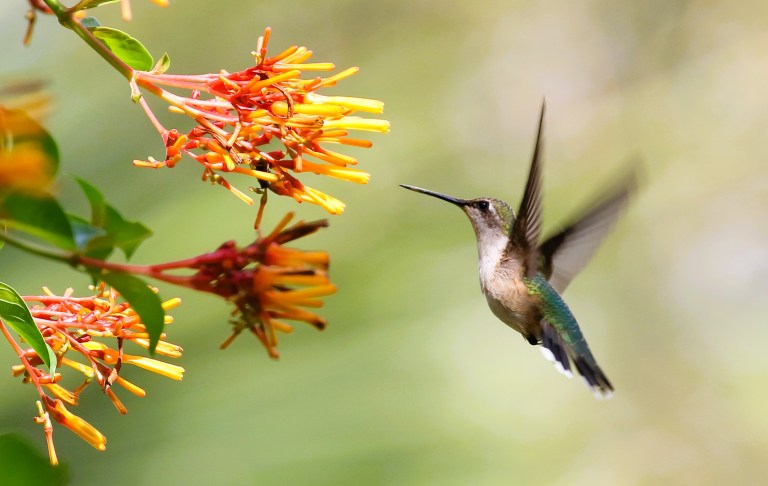
The hummingbird biannual migration makes a lot more sense when you understand how much ground they're covering with those fast speeds. In February, hummingbirds began their yearly spring migration from Mexico and Central America to the United States and Canada. In recent years, hummingbirds have been migrating earlier due to overall warmer temperatures in North America. In some cases, hummingbirds have even been staying north for the winter, changing the dynamics of the migration pattern in a very interesting way.
There are more than 300 species of hummingbirds in the world, and one of the most well-known ones here in the United States is the ruby-throated hummingbird. The ruby-throated hummingbird is the only breeding hummingbird in eastern North America.

You can identify these by the beautiful red stretch at their throat, as the name suggests. If you've ever seen a hummingbird in your backyard, chances are it was a ruby-throated hummingbird. If you wondered whether it was a male or female, it's simple. A male ruby-throated hummingbird has a red throat and...

...a female ruby-throated hummingbird doesn't. A male ruby-throated hummingbird also has brighter colors.

It's an interesting dynamic. You'll spot other species of hummingbirds throughout the migration period and they come in all different color patterns and plumages. Many are brightly and beautifully colored. They make a stunning photograph if you can catch them. These birds are notoriously difficult to spot and capture due to their small size and fast speeds.
Ruby-throated hummingbirds typically pass through Alabama from mid-March through mid-April. If you're planning on providing water for the hummingbirds, you'll want to put out your hummingbird feeder soon. Also, don't forget to have your high-definition camera easily accessible. You'll definitely want to snap some shots of these beautiful birds.

Supposedly hummingbirds will often go back to a place they've been fed before year after year. So, without knowing it, you might have been feeding the same hummingbirds for years!
Have you seen any hummingbirds in your backyard? Do you keep a hummingbird feeder in your yard to attract these graceful beauties? Aside from welcoming hummingbirds, what is your favorite thing to do in Alabama in the spring? Visit our nomination page and tell us about it. We love to hear about the first-hand experiences of our readers.
One of Alabama’s most popular places to view other types of migratory birds is Wheeler National Wildlife Refuge in Decatur. For information, be sure to take a look at the following article: One Of The Largest Wildlife Refuges In The U.S. Is In Alabama.
Subscribe to our newsletter
Get the latest updates and news
Thank you for subscribing!