Johnson County In Wyoming Was One Of The Most Dangerous Places In The Nation In The 1890s
Johnson County, Wyoming, was one of the most dangerous places in America during the 1890s due to rampant lawlessness and conflicts between small ranchers and wealthy cattlemen.
Wyoming is one of the safest states in the nation today, but way back in the 1890s, it was a lawless place. Read about why Johnson County was a dangerous place to be back in the earliest days of statehood, and why it has a reputation for being the most dangerous county in Wyoming.
Way out near the Bighorn Mountains, a remote county is home to two towns: Buffalo and Kaycee. This quiet stretch of land was once the most dangerous county in Wyoming, and considered the most lawless place in America.
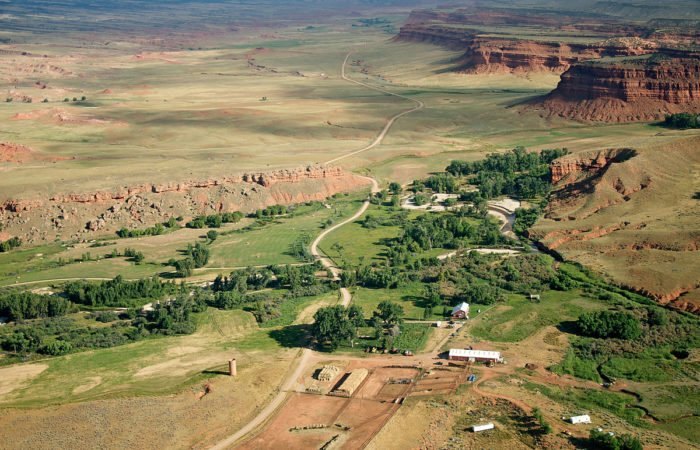
In the late 1800s, Johnson County was popular with outlaws. The remote hills and cliffs were hideouts for Kid Curry, Black Jack Ketchum, and Butch Cassidy's gang. The most famous hideout in western folklore is here in the town of Kaycee.

You can still visit the Hole in the Wall hideout today, and see the spot in the rocks where horse thieves tucked away their herds and hid their stolen money.

At one point, Johnson County's lawlessness caught up with those living here, and the Johnson County War took place, between representatives from Big Cattle (the Cattlemen's Association) and smaller ranchers.

When smaller ranches began to raise successful herds, wealthy businessmen decided to try their hand at ranching. They bought thousands of acres and hired outsiders to run their ranches, and these "cityfolk" did not understand life out on the mountain prairie. Ranchers out here lived by a set of rules that did not appeal to these big businesses. These rules meant that most land was open range for grazing, and branding was used to identify who owned cattle. Stray calves were "first come, first serve". Water rights belonged to the first settlers of the land, and boundaries were respected. The wealthier ranch owners did not appreciate this cooperation and side-by-side industry growth. They saw competition and cattle rustling. Because the Cattlemen's Association had money to influence politics, small time ranchers continually struggled with the new laws and rules, and often faced dire consequences. One cowgirl, Ella Watson, was hanged for cattle rustling, despite no proven charges. She became the first woman executed by hanging in America.
The tension came to a head in 1892. The smaller ranchers had formed their own association to fight for their rights. In response, the Cheyenne-based ranch owners hired hitmen.

These hitmen were called the Invaders, and they tore through the range eliminating small town ranchers who were outspoken against the larger ranches. 400 local stockmen, ranchers, and local law enforcement mounted their horses and met these Invaders at a ranch outside of Buffalo. The Wyomginites vastly outnumbered and then surrounded the Invaders, and there was a standoff at the TA Ranch.
After a two day standoff, the Governor of Wyoming got word of the situation. Sensing a risk for serious loss of life, Governor Barber asked President Benjamin Harrison for help. Harrison sent the US Calvary to arrest the Invaders.

These hitmen were booked at Fort D.A. Russel in Cheyenne. After their bail was posted, many of them ran away to Texas to continue their lawless lives.
Between the Johnson County War, the tension on the plains, and outlaws hiding in every nook and cranny they could find, Johnson County was a lawless place in the late 1800s. Can you believe this tiny Wyoming county was considered one of the most dangerous places in the country?
Subscribe to our newsletter
Get the latest updates and news
Thank you for subscribing!