Travel Back in Time at the 10 Oldest Towns in Wisconsin
Wisconsin's oldest towns reveal a rich history of European settlements and Native American culture.
Wisconsin may not have the old buildings that parts of Europe have, but its earliest towns date back
centuries and tell powerful stories of early American settlers, Indigenous cultures, and French explorers. From fur-trading hubs to ancient mound sites, these are the 10 oldest towns in Wisconsin, along with a bit about their significance. And, they’re packed with history you can still experience today.
1. Green Bay: Wisconsin’s Oldest City with Deep French Roots

Green Bay is one of the oldest European settlements in the U.S. It was discovered by the French in the early 1600s, and Nicolet founded a trading post. It was originally called "La Baie des Puants" or "the stinking bay." When you visit today, you can explore this legacy along the Fox River and at the Neville Public Museum, where French and Indigenous history intersect.
2. Aztalan: Ancient Native American Ruins in Southern Wisconsin

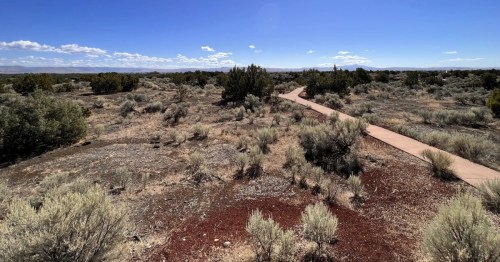
Aztalan is an ancient Mississippian culture that resided here in the early 1000s. You can visit Aztalan and get a preview of how they lived. One of the most notable features is the mounds they made in the earth, which served religious and political purposes. Interpretive trails and signage make the site accessible to visitors interested in Indigenous history.
3. Prairie du Chien: Where Wisconsin’s Early History Began

Prairie du Chien claims to be Wisconsin's second-oldest city. It was settled by French explorers in the late 17th century. French explorer Nicolas Perrot established a lucrative fur-trading post here. It gets its name from the Tribe who once occupied the area: their name translates to "dog," and the French word for dog is "chien." Prairie du Chien remains a living history destination, home to Villa Louis Historic Site and Fort Crawford Museum. The compact historic district is walkable, with nearby dining and river views along the Mississippi.
4. Shullsburg: A Lead Mining Town Frozen in Time

This area was populated by Irish miners in the early 1800s. The town is named for Jesse Shull, a miner. Legend is that Shull observed a badger digging in a hill and discovered minerals. It is more likely that Native Americans let him in on the secret, but the story is fun.
5. Hubertus: Old-World Roots in Wisconsin’s Holy Hill Country

This town was first settled in the 1830s. Its fertile, well-watered land soon brought more citizens to farm. It became the site of Holy Hill in 1863. Holy Hill National Shrine remains one of Wisconsin’s most visited historic religious sites, offering scenic overlooks, seasonal events, and clearly marked parking areas for visitors.
6. Pepin: Mississippi River Charm and Early Frontier Life

Pepin was discovered in the mid-17th century by French explorers. Laura Ingalls Wilder, of "Little House on the Prairie" fame, was born in the area. The Laura Ingalls Wilder Museum is located in Pepin. When you visit, don't forget stop by Lake Pepin – that's where you can experience waterfront dining and scenic overlooks.
7. Milton: Underground Railroad History and Early Settlement

Milton was originally settled in 1838 by Joseph Goodrich. He built an inn called Milton House, named after the poet John Milton. The Milton House actually served as a stop on the Underground Railroad, as Goodrich was a noted abolitionist. The Milton House Museum offers guided tours, but please note that it's only open seasonally. When you visit, you can get a parking spot in the nearby lot.
8. Mineral Point: Cornish Heritage and 19th-Century Streets

Originally settled in 1827, Mineral Point was on the map for, you guessed it, minerals. It was huge for lead and zinc mining. It is the third-oldest town in Wisconsin. You'll love visiting here because the town has retained its historical character.
9. Cassville: A Quiet River Town with Territorial-Era History

This town was first settled in 1827. It is named after Lewis Cass, then the governor of the Michigan Territory. But Cassville is much older than that. It is home to an ancient Native American burial mound dating to around 1000 AD.
10. De Pere: French Mission Roots Along the Fox River

De Pere's history actually dates back to 1671. This is when Jesuit Father Claude Allouez visited. The name derives from the French: "les rapides des peres" or "rapids of the fathers." Apart from blending ancient missionary history, De Pere is famous for its riverfront location and amenities such as local dining, walking trails, and easy access to attractions in the Green Bay area.
Are you from any of these towns? Have you visited any of them? Or, are you planning an adventure to any of these Wisconsin’s historic towns? You can build a custom road trip using our itinerary planner to map out attractions and dining along the way.
Subscribe to our newsletter
Get the latest updates and news
Thank you for subscribing!