This Quiet Coastal Village in South Carolina Feels Like a European Fishing Port
With its working shrimp boats, mossy oak-lined streets, and old-world charm, McClellanville, South Carolina, feels like it belongs on the coast of Europe.
There’s a common misconception that when we compare places in the U.S. to Europe, they have to be touristy, glamorous, or widely recognized. But just like America, Europe is full of quiet, under-the-radar towns—especially fishing villages rich in maritime history and grounded in a strong sense of community rather than curated for visitors. Enter McClellanville, South Carolina: a peaceful coastal village that doesn’t clamor for attention, yet exudes the same unassuming charm you’d find in a European fishing port.
Hidden among the moss-draped oaks and salt marshes of South Carolina’s Lowcountry, McClellanville feels worlds away from the usual Southern coastal towns. Quiet, secluded, and steeped in seafaring heritage, this little-known village evokes the essence of a European fishing port, a place where time seems to drift with the tides and life moves to the rhythm of the water. It’s not hard to imagine yourself in a sleepy harbor town along the coast of Brittany or the Aegean, especially as shrimp boats bob gently in Jeremy Creek and the scent of salt and brine hangs in the air.
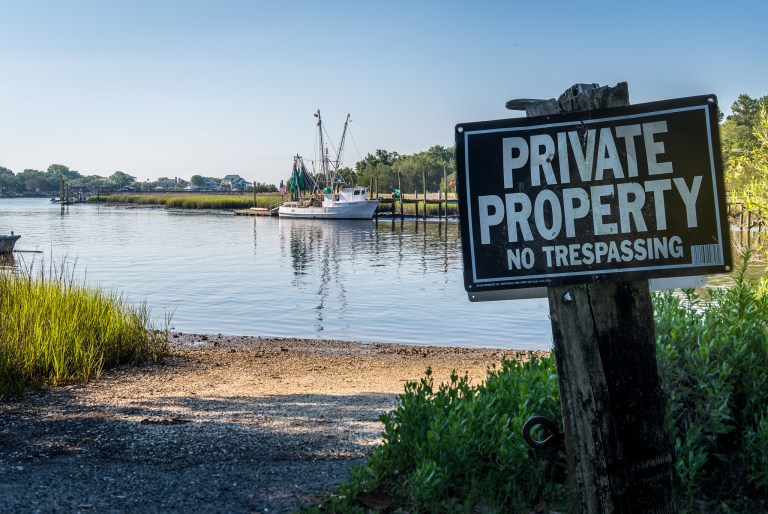
McClellanville isn’t interested in being flashy or curated. There are no chain restaurants, souvenir shops, or resorts. Instead, it leans into authenticity, shaped by generations of fishermen, oyster farmers, and artists who’ve quietly cultivated a community that honors both the natural world and a slower, more intentional way of life. The unpaved roads, weathered wooden docks, and historic homes framed by palmettos give the village a lived-in charm that feels distinctly European, less a tourist destination, more a treasured local secret.
This is the kind of place where front porches are for storytelling, shrimpers still rise before dawn, and everyone knows the tides by heart. The aesthetic here is humble but deeply beautiful with simple boats tied to rickety piers, hand-painted signs pointing toward fresh seafood markets, and clapboard homes with green shutters that have withstood hurricanes and time. It’s easy to draw comparisons to the small port towns of southern Italy or northern Spain, where fishing is a way of life and the community is stitched together by saltwater, sweat, and shared meals.

Local institutions like T.W. Graham & Co. embody that spirit. Housed in a modest building on Pinckney Street, this no-frills seafood spot serves up some of the freshest fare you’ll find anywhere in the state. Fried flounder, shrimp platters, and hushpuppies arrive at your table like a gift from the sea. Meals here are unhurried and deeply satisfying, not unlike the way they’re enjoyed in coastal tavernas across Europe.
What truly sets McClellanville apart, though, is its commitment to the simple life. There’s a stillness here that’s hard to come by. Surrounded by protected lands like the Cape Romain National Wildlife Refuge and Francis Marion National Forest, the town feels almost hidden by design, protected by the very landscape that defines it.

If you’ve ever longed for the charm of a European fishing village without the transatlantic flight, McClellanville might just be your answer. It’s a place that encourages you to breathe deeply, watch the water, and savor the kind of peace that comes from being somewhere truly special—where land, sea, and tradition are forever entwined.
Subscribe to our newsletter
Get the latest updates and news
Thank you for subscribing!