I Don’t Birdwatch, But Seeing Mississippi’s Sandhill Cranes in the Wild Is Unreal
This beautiful Gulf Coast refuge is home to an endangered species known as the Mississippi Sandhill Crane.
I've always admired birdwatching as a pastime, although I've never attempted it myself. Sometimes, when I'm out on a walk, I'll notice a birdwatcher waiting patiently with a pair of binoculars, and I'll make a mental note to learn more about the practice. But there's one form of birdwatching that's currently at the top of my bucket list: the Mississippi Sandhill Cranes.
In case you're not familiar, the Mississippi Sandhill Cranes are an endangered species that are found in the coastal part of the state. Unlike other species of sandhill cranes, they do not migrate and depend on longleaf pine savannas to survive. This delicate ecosystem has nearly disappeared altogether, but thanks to the efforts of the refuge, the Mississippi Sandhill Cranes have a chance of survival. And a visit to the refuge directly supports this effort.
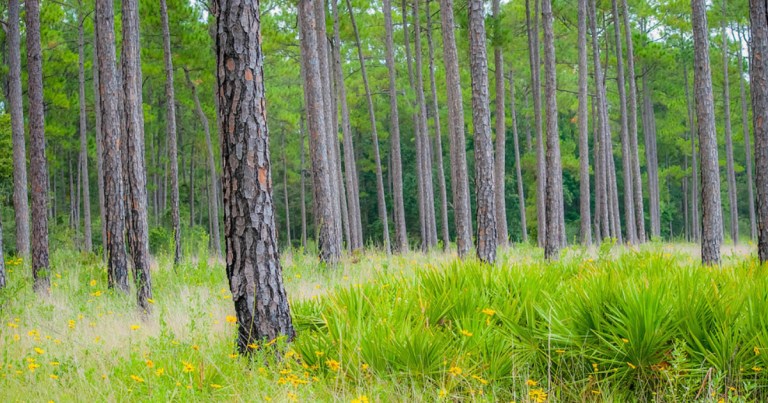
The Mississippi Sandhill Crane Wildlife Refuge is unexpectedly stunning. At first, you may not notice much; the landscape is flat, dry, and prairie-like. Yet a closer look reveals extraordinary treasures, like colorful, rare orchids and, of course, the sandhill cranes. The wet pine savanna ecosystem acts as a haven to species that depend on it, and the refuge is dedicated to ensuring their survival.

If you're interested in seeing these majestic birds out in the wild, fall and winter are the best times to plan a visit to the refuge. Upon your arrival, spend some time in the visitor's center, where you can learn about the history of the land and the cranes. There are interactive exhibits that, as one recent visitor noted, will make you "fall in love with the sandhill cranes." Some special qualities that stand out about these cranes are their unique red-crowned heads and the fact that they can reach up to four feet tall.

Sightings are special and not guaranteed during your visit. The sighting boards provide helpful updates, and it's best to follow the interpretive trails throughout the refuge. One of the best trails within the region is the C.L. Dees Nature Trail, a 0.7-mile loop that takes you on a gentle path through the pine-scattered landscape. There are benches for resting and observing, and it's important to stay on the trail and be a respectful visitor.

And while seeing the cranes might be at the top of your list of reasons for visiting, note that there are plenty of other birds to look out for, such as the red-headed woodpecker, herons, osprey, and more. For more information on planning your visit, be sure to check out the official U.S. Fish & Wildlife Service website.
So, what do you think? Will you plan a trip to the refuge in hopes of seeing a Mississippi Sandhill Crane in the wild? If so, be sure to share this article with a fellow wildlife enthusiast and let the planning begin! For related content, read more about why another iconic refuge, the Grand Bay National Wildlife Refuge, is worth a visit.
Feeling inspired? Try planning your own trip using Only In Your State’s itinerary planner.
Subscribe to our newsletter
Get the latest updates and news
Thank you for subscribing!