Atlanta Ranked 84th for Fare Affordability Despite Being the Busiest Airport on Earth
Hartsfield-Jackson ranked 84th out of 100 for affordability at $425.96, despite being the 4th busiest airport in the country. Savannah, smaller and cheaper, averaged $392.08.
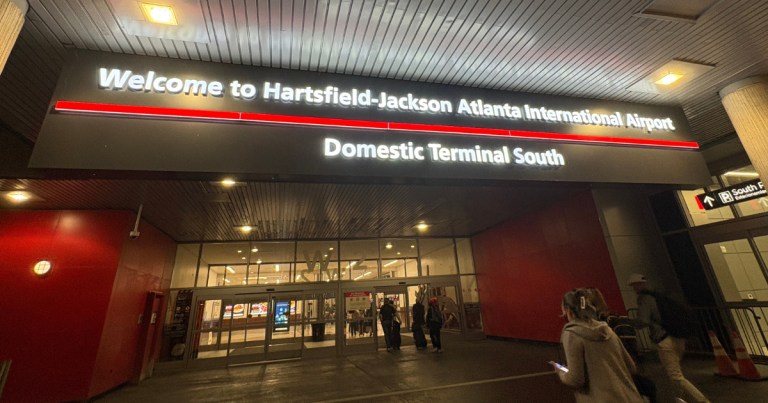
Georgia's two airports in the national top 100 present an interesting contrast: one is a global mega-hub, the other a mid-size coastal airport—and neither is among the more affordable places to begin a domestic flight.
Hartsfield-Jackson Atlanta International Airport (ATL) is the 4th busiest airport in the world by passenger volume. Yet according to recently released Bureau of Transportation Statistics data analyzed by Only In Your State, it ranked 84th out of 100 airports for affordability, with an average domestic fare of $425.96 in 2025. That's $38.96 above the national average of $387.
Why Atlanta's Size Doesn't Lower Its Fares
It's a reasonable assumption that one of the world's busiest airports would benefit from intense carrier competition—and Atlanta does have many airlines. But the fares at major hub airports reflect a different dynamic: hubs attract connecting traffic from across the country, and that demand supports higher pricing regardless of passenger volume.
The Bureau of Transportation Statistics data confirms this pattern nationally. Six of the 20 busiest airports in the country are also among the 20 most expensive. Atlanta is squarely in that group: 4th in passenger volume, 17th in cost.
Savannah/Hilton Head International Airport (SAV) averaged $392.08 in 2025, ranking 48th nationally—just above the national average. It's a smaller market, 83rd in passenger volume, but the leisure-travel character of the Savannah and Hilton Head market keeps fares more competitive.
What Georgia Travelers Should Know
For Atlanta-area travelers, the higher baseline fare means smart booking habits carry extra value. Booking well in advance—especially for peak travel periods—and staying flexible on travel dates can meaningfully reduce what you pay out of ATL.
Travelers in coastal Georgia have a slightly cheaper option in Savannah, though $392.08 isn't dramatically below the national average. For those planning trips through either airport, knowing how to find the best available fares is the most reliable tool for managing costs.
This data reflects 2025 averages from the Department of Transportation, released in May 2026. Current fares may be higher due to a recent uptick driven by rising jet fuel costs.
Carrier Dominance and Hub Dynamics
A major driver behind Atlanta’s higher ticket prices is the structure of carrier competition at the airport. Hartsfield-Jackson serves as the primary mega-hub for Delta Air Lines, which controls a vast majority of the airport's gate capacity and daily flights. While low-cost carriers do operate out of ATL, the overwhelming dominance of a single major airline creates a hub-and-spoke pricing dynamic that insulates ticket costs from typical price wars seen in multi-airport metro areas.
Furthermore, because ATL handles tens of millions of connecting passengers each year, airlines rely heavily on business travelers and premium connecting traffic to fill seats. This high-demand business model allows carriers to keep baseline domestic fares elevated, ensuring that local Atlanta residents pay premium rates even when departing from their home airport.
To get the most from your next departure, explore how to find the best available fares and unexpected ways to cut travel costs to help stretch your budget further once you've already got a head start.
To see how every major airport in the country compares—plus the full methodology behind the data—explore the complete U.S. Airport Cost Rankings for 2026.
Subscribe to our newsletter
Get the latest updates and news
Thank you for subscribing!