What Every Small Town In Alaska Had In The 1930s. It Was A Simpler Time.
A glimpse into 1930s Alaska reveals the development of communities and infrastructure during a simpler time.
Life in the 1930s in Alaska brought our state out of the Gold Rush and into the future, and many residents who arrived in a hurry took time to settle in. The homesteads grew closer together and people built shops, restaurants, and community gathering places. Soon, little Alaskan towns start to resemble the rest of the U.S., at least in a few small ways. Take a peek into the 1930s in Alaska and see what it was like in a simpler time.
1. Riverboats
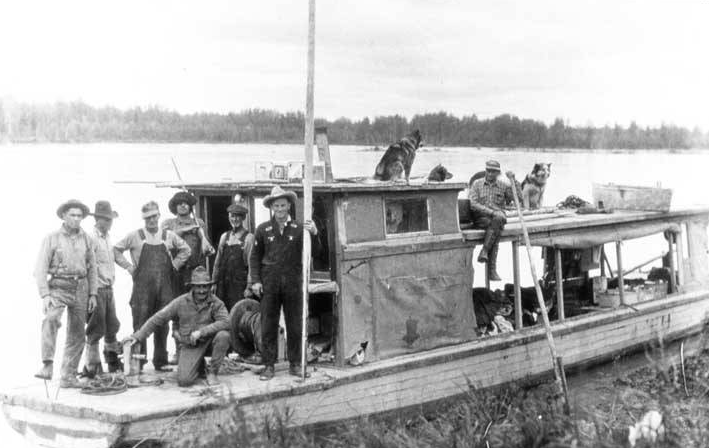
During the summers when the mighty rivers were flowing, people traveled up and down the Yukon on riverboats. This easy mode of transportation would make stops at all the villages up and down, delivering letters, supplies, visitors and new residents to the villages along the banks.
2. Steam shovel

Gold mining was still in it's heyday, and construction of Alaska's roads and towns was in full swing. A steam shovel helped loosen cold and frozen ground so it could be mined for gold or relocated for a constructing a foundation.
3. Muddy Roads

Before the roads were paved, the early automobiles in Alaska headed up and down muddy, bumpy, rough roads. Although the major centers have highways and byways these days, not much has changed off the beaten path.
4. Airfield

One of the first things constructed in any Alaskan town or village is the airstrip to get supplies in and out by plane. To this day, many remote areas are only accessible by plane and boat.
5. Wharf

Any town on the water was usually reached by boat. Wharfs, docks and piers provided places for the boats to enter and exit the communities, and the quality of the access from the water often determined how successful a townsite became.
6. Organic Architecture

As people have found their place in the insane conditions Alaska has to offer, towns and communities adapted to the demands. These homes were built into a less windy spot and nestled into the cliffs for protection from the sea and storms.
7. Dance Hall

Winters are long and the people of Alaska have always filled the dark nights with dancing and music. Any community of a few people would create a common area where people could let off some steam by beating a drum and letting loose.
8. Log Cabins

The first step any prospector or homesteader made at the time is to get some land, clear a spot, and build a cabin. Most people lived in small, cozy log cabins made from local timber, sweat and tears.
9. Ice Fishing Spot

People still lived a largely subsistence lifestyle in the 1930s, and in Alaskan that means lots of fishing. Ice fishing was, and still is, popular as a pastime, but in the past fishing was a vital activity for survival.
10. Bridges

Bridges were being constructed right and left to provide access for vehicles all over the great land, especially to get resources in and out of rural communities. The roads needed to transit the many rivers, streams and sloughs that criss-cross the frontier.
11. Artifacts

In this time of discovery, exploration and construction, precious and ancient items were being unearthed all over the place. Museums and universities for scientific research were starting so people knew where to send their finds.
Although Alaska has moved forward in many ways, the people who live in the rough and wild Arctic always have, and probably always will, enjoy the wilderness. Although life in Alaska in the 1930s was a simpler time, life is still challenging and exciting in the last frontier.
Do you remember anything about the Alaska of the past? Tell us about it in the comments below. And, if you're feeling proud to hail from Alaska, check out this unique state pride apparel from Wear Your Roots!
Looking for more to explore in Alaska? Check out this fascinating footage detailing why glaciers are blue:

Subscribe to our newsletter
Get the latest updates and news
Thank you for subscribing!