The Story Of Gold In Washington And How Gold Panning Is Making A Big Comeback
Some historians might argue that the story of gold in Washington is the story of Washington itself.
Though our state's rich natural resources supported Indigenous nations for thousands of years, the discovery of gold in Alaska in 1896, and the frenzy that followed, accelerated our region's development. For cities like Seattle, gold was the Evergreen State's first big boom and bust, long before the rise of Boeing, Amazon, Google, and so on.
But did you know there are still areas of Washington where you can find this coveted metal?
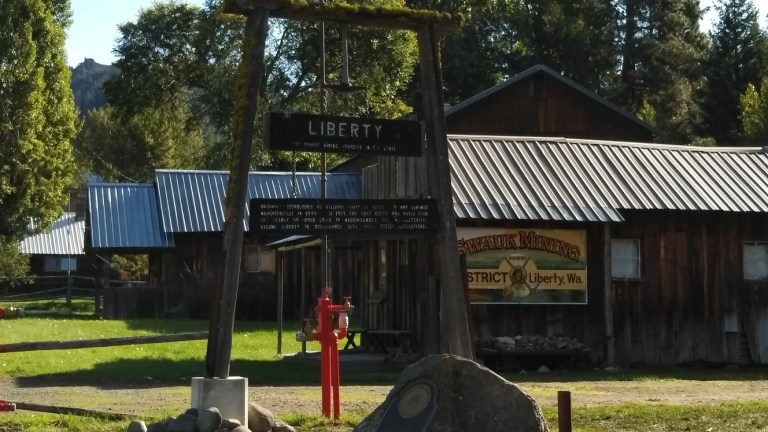
Though the surge of prospectors to Alaska would kick things into high gear, American settlers had spent years hunting for Washington's gold. Founded in 1873 in today's Kittitas County, Liberty Township is considered our state's first gold-mining community. Though it's no longer occupied, visitors can still explore this Northwest ghost town's preserved buildings.
But the flood of "Klondikers" who passed through Washington in the late 19th century was unprecedented. Over 100,000 men stopped in San Fransisco and Seattle on their way north. Though they had hopes of wealth, most would end their Alaskan stint empty-handed, or worse, indebted. By contrast, the Seattle businesses that outfitted them made out big.

If you're curious about this momentous period in Evergreen state history, consider visiting the Klondike Gold Rush National Historical Park in Seattle.

By the turn of the century, gold fever abated, and rumors of silver in the Sierra Nevadas were enough to lure prospectors from the Pacific Northwest's tapped mines. But Washingtonians continue to discover gold today, mostly in our state's many rivers. Though hobbyists must acquire a permit from the Department of Fish and Wildlife, panning is an exciting way to experience Washington's diverse landscapes firsthand.

There are ample resources online to help orient green horns to the world of gold panning. That said, always confirm your destination allows prospecting. Panning is often done in fragile environments, like gravel beds, that provide crucial habitat to some of Washington's most iconic species, including salmon.

Still, the hobby gives people an excuse to get out into nature and can provide some direction to individuals overwhelmed by our state's numerous outdoor activities and seemingly endless hikes.

In many respects, gold prospecting is the spiritual twin of fishing. To that end, for the same reason fishing isn't called catching, prospecting isn't called finding. Don't be discouraged if you spend more on the hobby than you ever recoup in precious metal.

Unlike the rushes of the past, today, searching for gold has far more to do with immersing yourself in our region's sublime nature, equipping hobbyists with a practice that attunes them to the outdoors.
The story of gold in Washington is rich and complicated, utterly inextricable from the economic development of the Pacific Northwest. It's also not ended. Lace up your hiking boots and pack your gear because you can add your own chapter to this ongoing story.
Subscribe to our newsletter
Get the latest updates and news
Thank you for subscribing!