There’s A Deadly Plant Growing In Washington Yards That Looks Like A Harmless Weed
Bittersweet nightshade is a toxic, invasive plant in Washington State that poses a threat to local ecology and safety.
Poisonous berries in Washington State are good to watch for since summer in Washington State means berry season for most of us. While Washingtonians aren't short on delicious native berries, there are some plants we ought to avoid. Bittersweet nightshades are a toxic plant in Washington that you need to know about, so let's brush up on our botanicals and learn how to identify nightshade berries.
While they may be beautiful, these plants pack a bittersweet nightshade toxicity. The entire plant contains solanine, a chemical found in most nightshades including green potatoes.
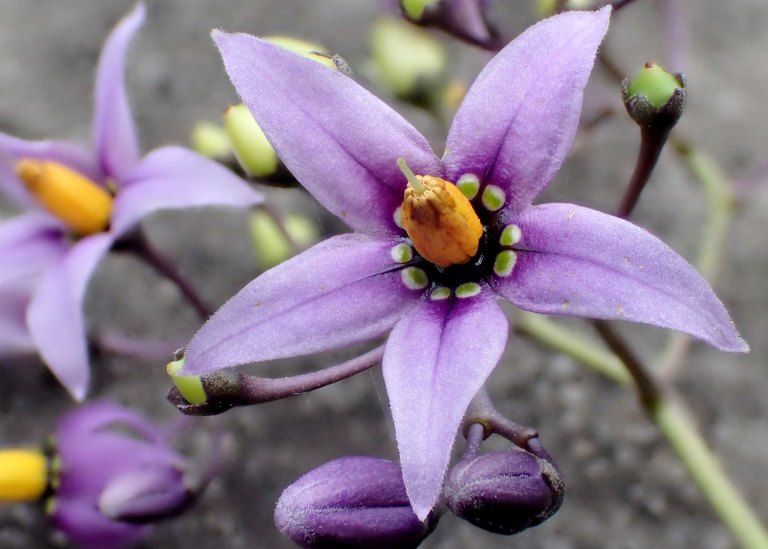
It also contains dulcamarine, a toxin similar to that found in deadly nightshade.
If the berries remind you of tomatoes, that's because tomatoes fall into the nightshade family. This family of plants also includes eggplants, peppers, and potatoes.

King County, Washington, has classified bittersweet nightshades as a noxious weed.

Native to Europe and Asia, this fast-growing perennial vine can outcompete local species like dogwood. As an invasive species, they pose a real threat to our local ecology.
While poisonings are relatively rare, bittersweet nightshade persists in various environments, making it a real danger to livestock, pets, and young children.

In your backyard, look out for woody vines with arrow-shaped leaves, clustered purple flowers, and red berries.

As the nightshade berries are edible to some birds, the plant can be dispersed widely.
While some are certainly more palatable than others, there are nine edible berries native to the various bioregions of Washington State.

With its tomato-like looks, it's easy to confuse it with plants that look like deadly nightshade. Salal is one of our edible species.
If you choose to forage native berries, make sure to educate yourself about what is and isn't safe to eat. If you're new to wild berries, the safest way to learn is by joining someone with experience. Foraging can be a great way of connecting with your local community and environment.

Poisonous berries in Washington State are something to watch for while you're outdoors. Bittersweet nightshades may not be the most toxic plant in Washington, but their ability to thrive in numerous environments means they're still worth looking out for in your backyard, particularly if you have small children or pets.
If you're new to wild-berry picking, we suggest teaming up with experts who will show you the ropes. Food is a profound way of connecting to a place, and guided foraging experiences can teach us a lot about where we live, our local history, and our relationship to the environment.
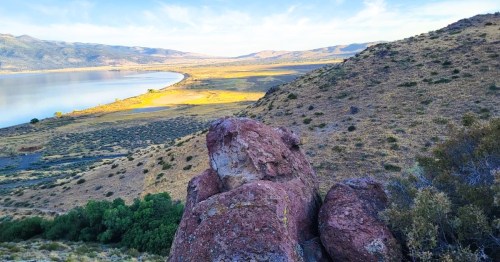
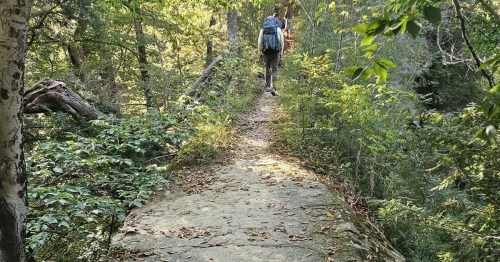
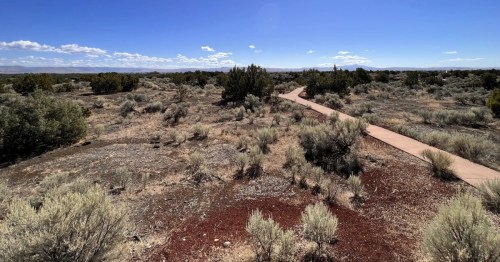
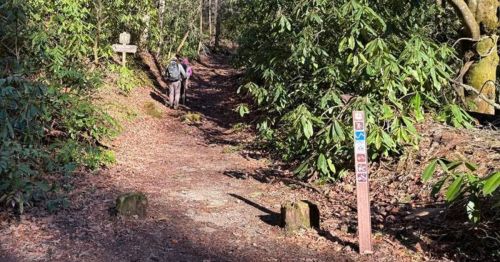
If you'd like to forage berries but aren't sure where to start, explore some of Washington's beautiful trails. Otherwise, gather your friends and visit a local U-pick farm.
https://www.onlyinyourstate.com/washington/best-hikes-in-washington/
Subscribe to our newsletter
Get the latest updates and news
Thank you for subscribing!