A Step-by-Step Guide to Creating a Wildfire Action Plan on the West Coast
While there's only so much we can do to prevent the spread of wildfires, there are ways we can prepare in the event of one.
When you live in a region that's prone to natural disasters like earthquakes, hurricanes, and wildfires, preparedness is key to your health, safety, and survival. When I lived on the East Coast, I experienced my fair share of hurricanes, and either had to evacuate or shelter in place. Then, after I moved to Los Angeles over 20 years ago, I experienced my first earthquake, and more followed over the next few years. While I never experienced a major one, each one was jarring.
And then there are the wildfires, which seem to get worse with each passing year. I moved away from Southern California many years ago but I still have friends who live there. Each year, I worry about them and their safety as wildfires rage on the outskirts of L.A. and sometimes within the city limits. Wildfires are scary, devastating, and incredibly sad.
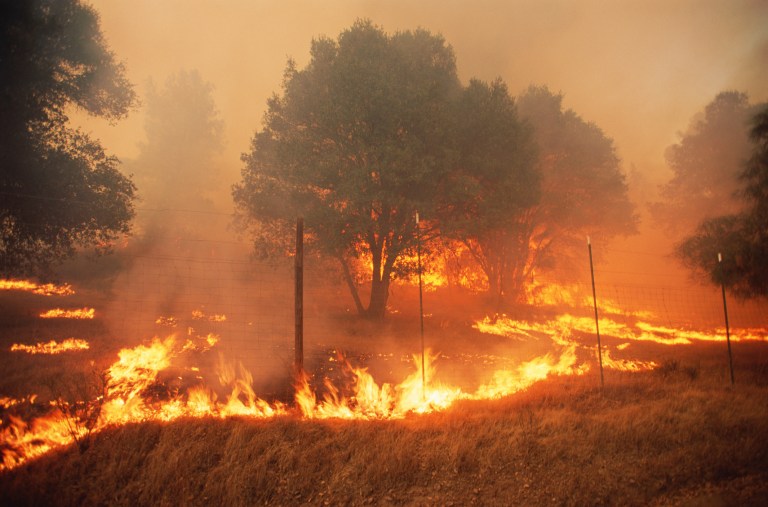
We've all heard about and seen news coverage and photos of the devastating wildfire, the "Camp Fire," that decimated the town of Paradise, California in November 2018. Six years later, residents are still rebuilding. And, most recently, the fires raging through in the Pacific Palisades and other areas around L.A., with the help of the high Santa Ana winds, are nothing short of horrifying. While some wildfires are natural, most are ignited by human activity like fireworks, cigarettes, faulty power lines, campfires, etc.
Now there's only so much we can do to prevent the spread of wildfires; however, there are ways we can prepare in the event of one. Here is a step-by-step guide on how to create a wildfire action plan on the West Coast complete with a supply list, tips, and agencies you can contact.
1. Assess your home and surrounding area

Check your local fire department to see if your home is in a designated fire zone. Assess the vegetation around your home, trim any trees and bushes, and, if you plant anything, make sure it's something with low flammability like succulents. You should also clear any vegetation within 30 feet of your home.
Additionally, if you own your home or are in the process of buying one, make sure it has a fire-resistent roof made of materials like metal, stucco, or concrete. Siding made of materials like stone, stucco, or brick are also fire resistant. Install double-paned windows as well.
2. Tips on creating an evacuation plan
Don't wait until it's too late to create an evacuation plan in case of a wildfire. Here are some tips to create one:
- Identify escape routes. And by that I mean multiple escape routes.
- Pick a meeting place for you and your family outside of the fire zone in case you get separated.
- Pack an emergency bag with essentials (see below).
- Practice, practice, practice. You and your family should do an evacuation drill every couple of months so that, in the case of an evacuation order during a wildfire, you will know what you're doing and how to handle the situation. It may also help prevent you from panicking in case of an evacuation emergency.
- Contact family and friends or choose a hotel outside of the fire zone for a place to stay.
- Make sure you have an extra can of gas for your car or, if you own an electric vehicle like I do, make sure it's always charged, you have a portable charger stored in the trunk, and identify chargers along any potential route you will be driving.
3. Tools for the home

For your home, here are a few items to have on hand for safety:
- Fire extinguishers: Your home should have a couple of fire extinguishers regardless if you're in a fire zone or not. A Class A fire extinguisher is for fires involving wood, plastics, rubber, paper, etc. while a Class B fire extinguisher is to put out fires caused by flammable substances like gas, oil, and other chemicals. Many fire extinguishers are rated both Class A and Class B.
- Ladder: Make sure you have a ladder that can reach up the roof of your home in case someone inside needs to be rescued from an upper level of the home.
- Battery-powered tools: These are helpful in case the power goes out, which it often does during a wildfire, and you need to clear any debris.
- First Aid Kit: Keep one inside the home and another in your vehicle.
- Burn First Aid Kit: If you're in a wildfire zone, you should also have a burn kit in your home and another in your car.
- Flashlights with batteries
- Respirator masks in case of smoke.
4. Products and personal items to pack in an emergency to-go bag:

For your to-go bag in case of an emergency, there are several items you will want to pack. You should also have this bag ready to go well before any emergency occurs, meaning you don't want to pack as an emergency or evacuation is underway. Here is what to pack:
- Medications: make sure you have any medications you may need.
- Any important documents you may need, like copies of birth certificates, social security cards, medical records, legal documents, pet records, etc.
- Bottled water
- Water purification tabs
- Non-perishable food that may include pull-tab cans, crackers, and freeze-fried foods. There are also emergency food supply kits you can purchase.
- Battery-powered flashlights
- First aid and burn kits
- Respirator masks or N95 masks
- A battery-operated portable radio so you can listen to up-to-date emergency information.
- Personal hygiene items like toilet paper, toothbrushes, toothpaste, hand sanitizer, etc.
- Leash, collar, bowl, carriers, etc. if you have pets.
- Fire retardent blankets
5. Stay informed
Watch the local news station or listen to local radio programming for up-to-date information on wildfires and evacuation orders in your area. You can also sign up for text messages from Nixle. If you have a WEA-capable mobile device, you should receive messages in case of an emergency. Also, be aware of the fire danger level in your area.
6. Relief organizations and agencies
Numerous agencies, from local to national, should have information on what to do in case of an emergency like a wildfire evacuation. Here are a few:
- Your local fire department. Make sure you have the number set as a contact in your phone.
- The American Red Cross: Contact your local branch.
- The California Department of Forestry and Fire Protection (CAL Fire)
- California Fire Foundation
- California Community Foundation (Los Angeles area)
- All Hands and Hearts
We all know how incredibly devastating wildfires can be, whether we've seen clips on the news or social media or have experienced them ourselves. Creating a wildfire action plan ahead of time is an incredibly important step that should help keep you safe. You may even want to grab a wildfire readiness checklist.
Subscribe to our newsletter
Get the latest updates and news
Thank you for subscribing!