Here Is What Winter Looked Like In New Mexico More Than 75 Years Ago
John Collier Jr.'s photographs document the harsh winters and daily life in New Mexico during the Great Depression and World War II.
We can feel pretty cozy during New Mexico winters these days, but decades ago? Things were a little rougher for our parents and grandparents when central heating hadn’t even been imagined and paved roads in small towns were rare. During the Great Depression and World War II, anthropologist and photographer John Collier Jr. documented daily life for the Farm Security Administration (a New Deal program) and later the Office of War Information.
The photos created during this time period are best known for showcasing the hardships farmers endured at the time but also for giving us a peek at the lives our parents and grandparents led. Here’s a look at the winter in New Mexico he, and other FSA photographers, captured during those rough years. Some of the worst winters in New Mexico are long behind us… but at least there are photos!
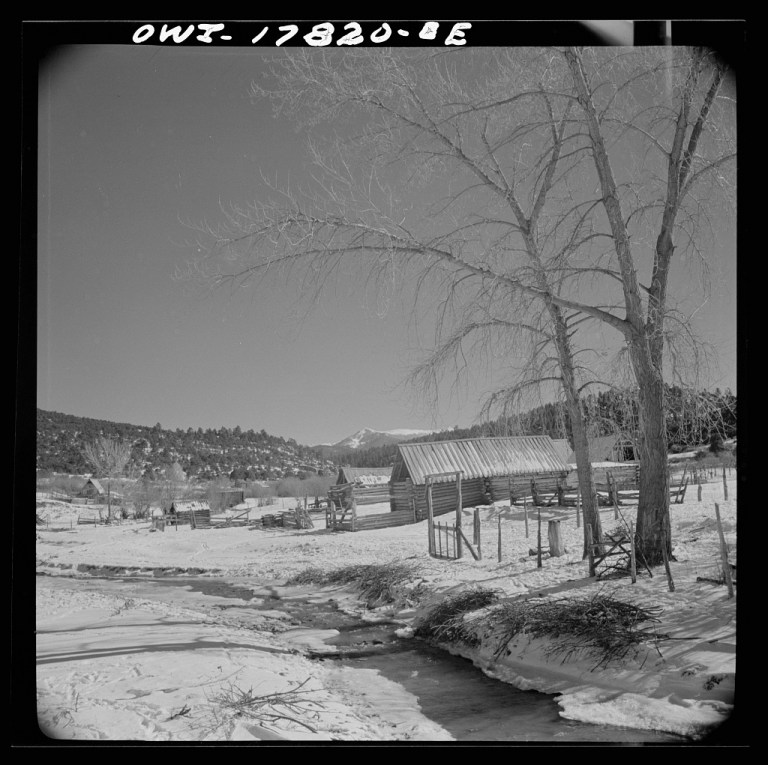
A typical winter day in the foothills near Taos looks especially chilly, don't you think?
The streets in Rancho de Taos are snow-covered and muddy following a January snowfall.

If the roads were especially bad in winter, nurses and doctors were often forced to make house calls on foot.

These women in Trampas are leaving mass on a blustery January morning. Can you imagine walking home in the snow and mud in those heels?

A group of children recreates the Nativity scene during a Christmas Eve Mass in Ranchos de Taos in 1942.

Meanwhile, this boys choir in Peñasco tries to stay warm while singing Christmas hymns outside.

This pregnant woman from Embudo just arrived at a hospital, ready to give birth. The vehicle next to her is the ambulance.

This older couple in Peñasco tries to stay warm in the kitchen while preparing food during a cold January day.

Schools in isolated, rural communities were sometimes just one-room buildings for multiple grades. Children and teachers bundled up like this to stay warm in the winter months if they sat too far from the stove.

These Peñasco students are eating a hot lunch provided by the school. We wonder what was for luch!

This parish priest sits by a fire to stay warm.

In some rural communities, locals still used horse-drawn wagons as transportation and work vehicles. For example, this team in Trampas transported firewood back home.

Chopping firewood is definitely much harder than you think! Here, the town mayor and his son chop up the wood from a dead tree.

These gentlemen try to warm up by the fire inside a general store in the tiny community of Chacon.

According to the photographer's notes, corner fireplaces like this were extremely efficient, since they burn smaller quantities of wood and the heat circulates about the room more readily. It was also a gathering spot for families during the cold months.

And you often found multiple children curled up in beds at night.

"Washing up" in some communities often meant using water in a basin. If you didn't want it to be icy cold, you had to heat it up on the stove first!

These forest rangers are heading out on skis and snowshoes to measure the snow in the Sangre de Cristo Mountains.

What an interesting project these photographers captured. A story not only about New Mexico winters but about how life was for generations past. What are some of your memories of winters in New Mexico? How were those days different from today?
Our parents and grandparents lived through some pretty treacherous winters, so their stories about walking uphill in the snow both ways aren’t too far from the truth. Read about more winter towns in New Mexico and some of the most horrific winter storms in New Mexico's history.
Subscribe to our newsletter
Get the latest updates and news
Thank you for subscribing!