11 Fascinating Things You Probably Didn’t Know About Mississippi’s Natchez Trace
The Natchez Trace is a historic and scenic trail in Mississippi with a rich history of travelers, supernatural tales, and notorious outlaws.
Seeped in history, the Natchez Trace is as fascinating as it is beautiful. The scenic pathways that make up the famous Trace have been travelled for thousands of years, creating a trail of interesting facts and mesmerizing tales. From notorious travelers to stories of the supernatural, here are 11 things you probably didn’t know about Mississippi’s most famous trail.
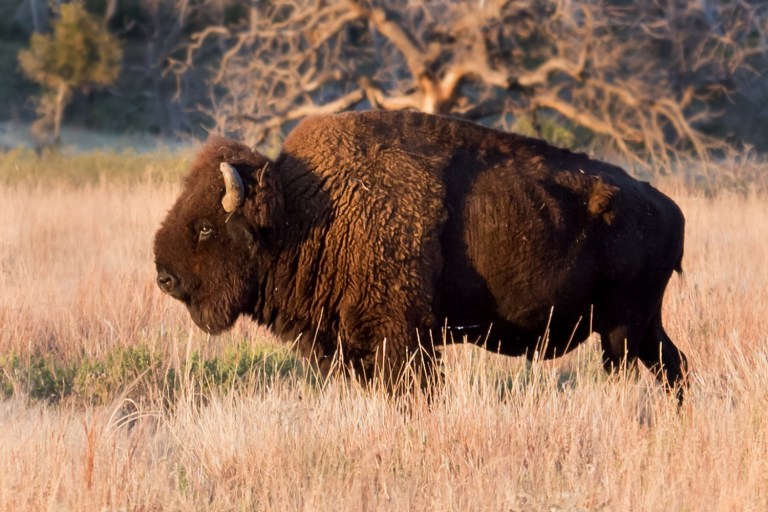
1. At 10,000 years old, the Natchez Trace has been traveled by traders, missionaries, early settlers, and Indians, but it was buffalo that originally “traced out” the famous trail. According to historians, the buffalo traversed the route in order to get to salt licks near Nashville.
2. The Natchez Trace is no stranger to unusual happenings, which led to the trail being nicknamed “the mysterious pathway.”

Tales of both ghosts and witches have been tied to the infamous trail.
3. In 1809, well-known explorer Meriwether Lewis died from a gunshot wound while on the Trace. Historians still debate as to whether it was murder or suicide that took Lewis’ life.

4. According to local legend, former highwayman Joseph Thompson Hare buried his cheating mistress along the Trace...while she was still alive.

It has been said that Hare was haunted by the vision of a white phantom horse until 1818, when he was hanged for his crimes.
5. Located along the Natchez Trace are several graves, which serve as the final resting place for 13 unidentified Confederate soldiers.

6. During the 19th century, a majority of traffic on the Trace was from travelers known as Kaintucks. Kaintucks were boatmen who would send merchandise such as agricultural goods, coal, and livestock down the Mississippi River on flatboats and then travel back north on foot via the famous trail.

7. Records indicate that the first traveler on the Natchez Trace was an unknown Frenchman. After navigating the Trace in 1742, he wrote about the hardships of the trail and its “miserable conditions.”

8. Located along the Natchez Trace, Pharr Mounds is the largest and most significant archeological site in northern Mississippi. The 90-acre site is comprised of eight large mounds, which were built and used from 100 – 1200 A.D. by a tribe of nomadic Indian hunters and gatherers.

9. At one time, Samuel “Wolfman” Mason was a decorated militia captain, justice of the peace, and associate judge; however by the late-1700s, he had developed a penchant for criminal activity. Mason and his group of outlaws, which were known as the Mason Gang, frequently robbed and killed unsuspecting travelers along the Trace.

10. The notorious Mississippi outlaws, the Harpe Brothers, were definitely the most threatening of all criminals that wandered the Trace looking for victims.

In fact, the Mason Gang actually harbored the infamous Harpe Brothers; however, the alliance came to an end because Mason was appalled by the brothers’ brutal actions, which says a lot as the Mason Gang had a reputation for being quite ruthless.
11. The Natchez Trace was an extremely important route during the War of 1812 since it was believed that British ships threatened the Gulf Coast.

In 1801, U.S. troops began working to improve the Trace; however, it wasn’t until the start of the war that the military took advantage of these improvements.
Experience the Natchez Trace for yourself in the video below.

Were you surprised by anything listed above? Have another interesting fact about the Natchez Trace to add? We want to know! Share your thoughts in the comments section.
Subscribe to our newsletter
Get the latest updates and news
Thank you for subscribing!