There’s A Deadly Plant Growing In Kentucky Yards That Looks Like A Harmless Weed
Poison hemlock is a deadly plant spreading throughout Kentucky, posing a significant risk to humans, livestock, and pets.
While our stunningly gorgeous state of Kentucky has a wide variety of plants and wildlife, there are dangers that go along with all that beauty that we must look out for. Some of them even grow in our own yards and can resemble other plants that are harmless. Poison hemlock (Conium maculatum) is one of the most deadly, so we feel it’s only right to let you know what to look out for as there is a lot of poison hemlock in Kentucky.
Poison hemlock has been spreading throughout Kentucky and is a growing concern as it is a deadly plant that resembles other more harmless plants. It is deadly to humans, livestock, and pets. It will leave a burning rash if touched, and ingesting the smallest amount leads to respiratory collapse and death. Every single part of the plant is toxic.
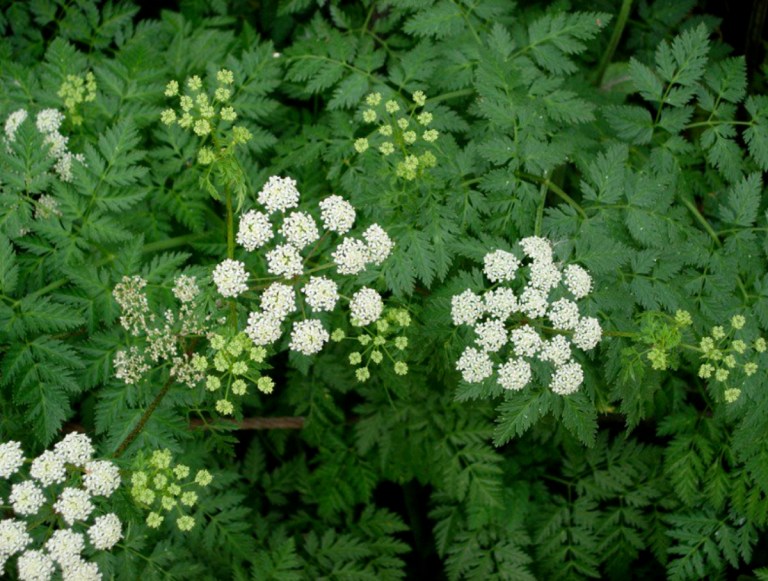
Compounding the danger is the fact that the plant isn’t always in bloom and can look much different than when it is blooming, making it harder to identify.

We should not confuse poison hemlock with hemlock trees which are absolutely safe, although, if you crush its needles, the scent is similar to that of poison hemlock.

Hemlock can be mistaken for Queen Anne’s Lace, a harmless plant with similar flowers. The way to tell the difference is to remember “the Queen has hairy legs” as the stems and leaves are hairy whereas poison hemlock’s are smooth. Also, hemlock flowers grow in umbrella-shaped clusters whereas Queen Anne’s form the opposite, a bowl shape.

Another harmless plant for which poison hemlock can be mistaken is yarrow. Hemlock can grow as tall as 10 feet and yarrow only grows to two or three feet. Also, yarrow has frilly, feather-like leaves and the flowers don’t grow in the distinctive umbrella clusters.

Other plants that hemlock may be mistaken for are angelica, cow parsnip, cow parsley (or wild chervil), wild parsnip, water parsnip, wild fennel, and elderflower.

If you see any plant that resembles poison hemlock, it is best to avoid it altogether. If you see something like this in your yard, do not touch it with your bare hands. Wear long gloves, long sleeves, and eye protection, and ensure that no part of it touches your bare skin. Wash your hands or take a shower afterward and immediately put your clothes in the wash.

If it does touch your skin, immediately contact Kentucky Poison Control. We want you to be safe so you can continue to explore the beauty of Kentucky.
Have you seen Poison Hemlock in Kentucky? Make sure to let us know in the comments if you have any additional tips regarding this plant. To get details on hiking trails in Kentucky and any dangers that may be there, be sure to check with AllTrails.
Subscribe to our newsletter
Get the latest updates and news
Thank you for subscribing!