This Abandoned Site in Idaho Is Worth a Stop Just for the Oregon Trail History
The ruins of this old Oregon Trail stage station may not be full of ghosts, but they're full of 150 years of history.
The heart and soul of the Gem State is found in its small towns, and while Mountain Home's 15,000-plus residents put it squarely in "mid-sized" territory by Idaho standards, this military town has a distinct, small-town heart where everyone knows everyone. It sits at the edge of the Snake River Plain, beautifully framed by the rolling foothills of the Owyhee Mountains to the southwest and the craggy peaks of the Boise National Forest to the north. It is perhaps best known for its Air Force Base, stark desert beauty, and the occasional dust storm. But beyond the highways and open stretches of sagebrush, there are quieter, older stories hiding here, too.
Although its construction began in the 1950s, America's 48,000-mile national interstate system was only completed in 1992. Before then, the 1,900-mile Transcontinental Railroad (1869) was what connected America's East and West Coasts, but everything in between was still as primitive as it gets—and Idaho was no exception. Travel throughout the West was by dirt road and/or trailblazing, especially on historic pioneer trails like the Lewis and Clark Trail, Oregon Trail, California Trail, and Mormon Trail, all the way until the 1890s when the last wave of settlers came through.
While many people associate the Oregon Trail with covered wagons crossing the Midwest plains, this historic trail extended well into Idaho as well. In the 1840s, brave pioneers miraculously traversed the rugged, volcanic Snake River at Massacre Rocks, bravely forded the dangerous Three Island Crossing near Glenns Ferry, and endured the stark southern Idaho desert for nearly 30 more miles to reach the southern edge of the Snake River Plain that is now Mountain Home.
What Makes This Historic Idaho Site So Unique

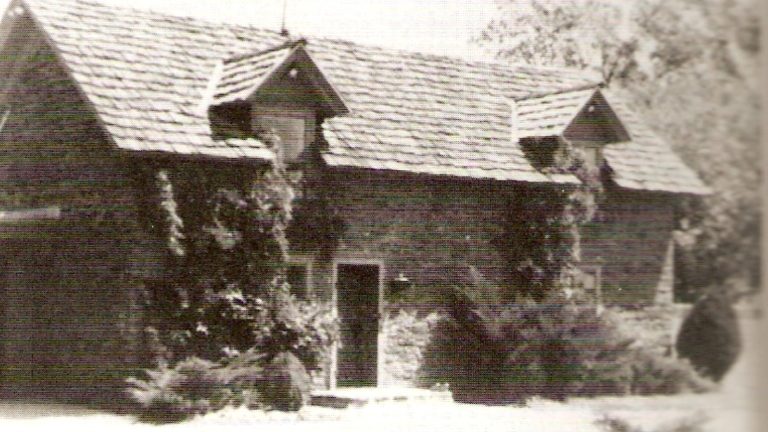
Hiding here in the middle of this sagebrush expanse, far from the pioneers' wild river crossings, the Canyon Creek Stage Station (pictured above) is an overlooked historic site on the 2,100-mile Oregon Trail. It served both travelers heading to Oregon's Willamette Valley for new farming opportunities as well as those traveling the forgotten Kelton Freight Road and Overland Stage Route, two key routes that connected Utah to Idaho. It's one of only half a dozen visible stage stops left in Idaho—most are in ruins but can be found dotting southern Idaho in places like City of Rocks and a few "barely-there" ghost towns, like Wickahoney.
Long before jets raced overhead, stagecoaches were Mountain Home's most frequent visitors, carrying passengers, mail, and supplies through one of Idaho's harshest regions. Horses needed rest and fresh water, riders needed meals and a break from cramped travel conditions, and freight carriers needed a secure place to change teams or store goods temporarily. Canyon Creek was a highly trafficked spot for all of these things, although you wouldn't know it today.

One of only two remaining stage stops on the entire Oregon Trail, the abandoned Canyon Creek Stage can be found just a few miles outside downtown Mountain Home. It was built in 1874 by homesteader Archibald Daniel using a combination of local, hand-forged 18-inch-thick lava basalt and horsehair mortar, which withstood an incredible amount of traffic. Up until stagecoaches became obsolete (somewhere around 1884), it's thought that roughly 35,000 emigrants and pioneers passed through this station to swap stories, rest, and enjoy a meal before continuing on their travels.
What To Expect When You Visit

Unfortunately, not much is left of Canyon Creek Station today. After the last of the wagons and coaches came through, it became a private homestead, but a fire in the 1970s destroyed most of the structure, leaving behind only portions of the smooth stone walls. However, in 2015, the site was officially deeded to the BLM for management, and restoration is ongoing. In the meantime, you can visit this important historic site as well as the nearby cemetery just off Mayfield Road. Both are official stops on the national Oregon Trail route. The property is surrounded by trees and refreshingly cool grass, so it's a great roadside stop to stretch your legs in the middle of the long drive down I-84.
While you're in town, be sure to check out the Mountain Home Historical Museum as well! Or, if you're looking for more Oregon Trail history nearby, Three Island Crossing in Glenns Ferry is just 30 minutes away, and both the state park and the town are loaded with history.
The Canyon Creek Station is one of several historic stops on an Idaho road trip. If you are searching for even more places to visit in Idaho history, consider adding one of these 10 unique destinations to your upcoming adventure. And if you find yourself in northern Idaho, explore the small town of Wallace, which is home to all types of historical places, or plan a visit to Old Mission State Park in Cataldo. There truly are many historic sites in Idaho for your bucket list.
Subscribe to our newsletter
Get the latest updates and news
Thank you for subscribing!