Did You Know That Alaska Is Home To 90 Percent Of The World’s Sea Otters?
Alaska, celebrated for its rugged landscapes and abundant wildlife, harbors a little-known secret that plays a significant role in conserving a beloved marine mammal: the sea otter! Nestled along the remote coastlines and frigid waters, Alaska is home to a staggering 90 percent of the world's largest population of sea otters — underscoring the state's vital importance in safeguarding these charismatic creatures.
Sea otters, the smallest marine mammals in the world, are renowned for their endearing behaviors, including their playful antics and remarkable tool use.
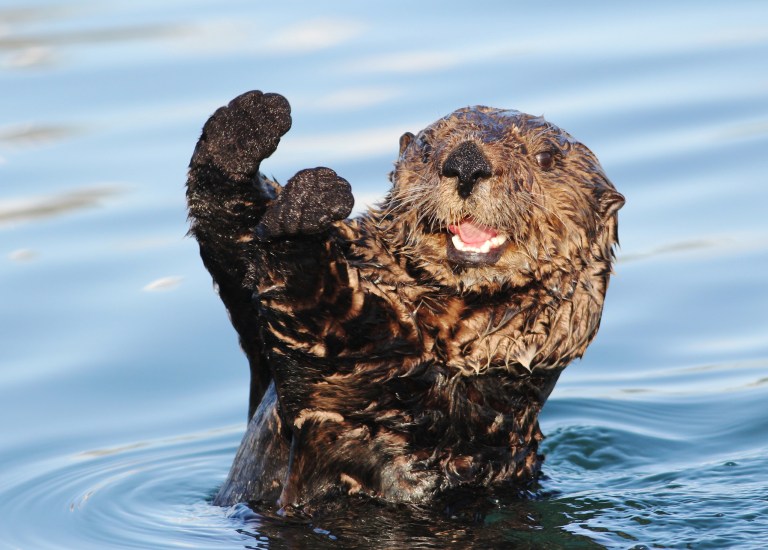
Their dense fur coats and webbed feet are well adapted to life in the cold waters, where they spend much time foraging for shellfish and grooming their luxurious fur.
While sea otters were once abundant in Alaska, they fell victim to hunting during the 18th and 19th centuries, driven to the brink of extinction by the demand for their fur.

By the early 20th century, they had vanished from many parts of their historic range, including much of the Aleutian Islands and the Alaskan coast.
Thanks to decades of conservation efforts, sea otters have staged a remarkable comeback in Alaska, reclaiming their rightful place as one of the state's most iconic wildlife species.

Today, Alaska boasts a population of approximately 150,000 sea otters, making it the stronghold for these creatures worldwide.
The recovery of sea otters in Alaska is thanks to the power of conservation initiatives.

Stricter regulations on hunting, habitat protection measures, and public awareness campaigns have all played a crucial role in ensuring the survival of this keystone species.
The presence of sea otters has far-reaching ecological implications, as they play a vital role in maintaining the health and balance of coastal ecosystems.

By preying on sea urchins, crabs, and other invertebrates, they help prevent the overgrazing of kelp forests—a critical habitat for diverse marine life, including fish, seabirds, and marine mammals.
The resurgence of sea otters in Alaska has led to cascading effects throughout the ecosystem, known as trophic cascades.

As otters control the populations of their prey species, they influence the abundance and distribution of other organisms, shaping the structure and function of coastal ecosystems.
Despite their recovery, sea otters in Alaska still face threats, including habitat degradation, pollution, and conflicts with fisheries.

By supporting sustainable practices, advocating for conservation policies, and fostering awareness of the importance of healthy marine ecosystems, we can ensure that Alaska remains a sanctuary for sea otters!
Did you know the world’s largest population of sea otters was in Alaska? If you’re visiting, check out these great stays on VRBO.
Check out these photos of Alaska wildlife.
Subscribe to our newsletter
Get the latest updates and news
Thank you for subscribing!