Deep In The Forests Of Wisconsin, There’s A Magical Fungus That Glows In The Dark
Bioluminescent mushrooms that emit a vivid glow can be found in Wisconsin, particularly in moist oak woods.
Mushrooms that glow in the dark may seem like something from a sci-fi movie but they actually exist. What's more, you can find them here in Wisconsin. The bioluminescent fungi emit a vivid glow that’s as mesmerizing as it is unexpected. Read on to learn more about the mushrooms that put the fun in fungi.
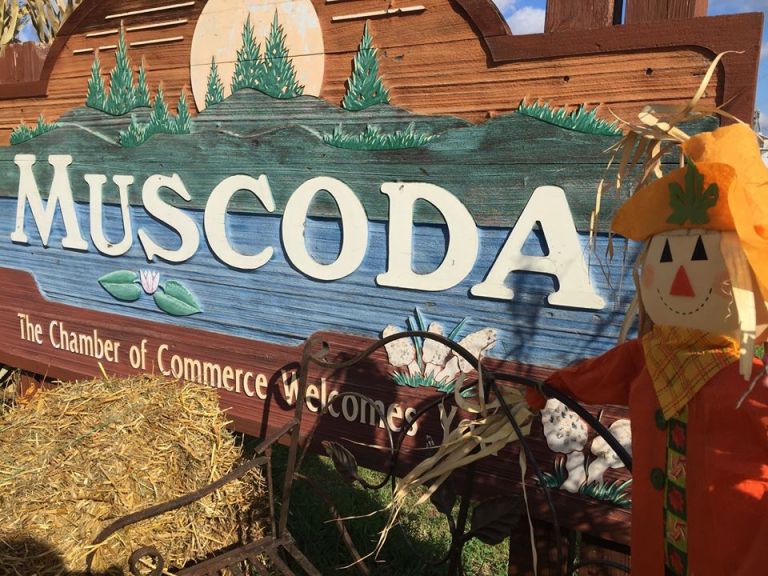
When you think of mushrooms in Wisconsin, morel mushrooms likely come to mind since Muscoda is the Morel Mushroom Capital of Wisconsin.
However, those aren’t the only fungi in Wisconsin worthy of a second look. There are also glow-in-the-dark mushrooms, which are otherwise known as bioluminescent mushrooms.

So, what causes the fungus to glow in the dark? The bright bluish-green light emitted from the fungi is the result of a chemical reaction, which occurs when certain fungi break down and consume decaying wood.

Scientists aren’t actually sure of the reason for the glow, which is called foxfire. However, it’s hypothesized that it’s meant to attract insects.

Of the more than 70 types of bioluminescent mushrooms on Earth, several can be found here in Wisconsin, including the jack-o'-lantern.

The aptly named fungus is orange most of the time; however, it can give off a green glow at night.

The bitter oyster is another glow-in-the-dark mushroom that can be found in Wisconsin.

June through September is prime mushroom hunting time in Wisconsin. The best place to look for foxfire is in moist oak woods, where there are lots of big, dead limbs and old stumps. Remember, foxfire’s glow is typically on the dim side; however, at times, it can produce enough light to read by. With that in mind, it’s best to search for foxfire on nights when the moon is barely visible. Also, you’ll want to steer clear of areas with artificial lights.
So, did you know about glowing fungi? Ever seen any? If so, where? Tell us in the comments section.
This isn’t the only natural phenomenon in Wisconsin. Read about another here.
Subscribe to our newsletter
Get the latest updates and news
Thank you for subscribing!