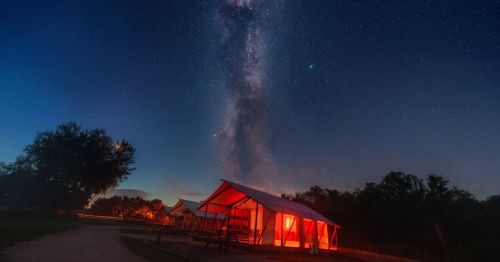
Surges Of Up To 100 Meteors Per Hour Will Light Up The Wisconsin Skies During The 2020 Lyrids Meteor Shower This April
Explore 15 of Wisconsin's most stunning natural wonders, from canyons and waterfalls to caves and scenic vistas.
They say the best things in life are free. And if you need proof of the old adage’s validity, you’ll get it in April when the Lyrids meteor shower takes place. During the annual event, the night sky is set aglow with very bright, fast shooting stars. The best part is that you don’t need any special equipment to view the meteor shower — just your peepers. Read on for all the details because you don’t want to miss this mesmerizing show in the sky.
Otherwise known as April’s shooting stars, the Lyrids meteor shower takes place over the course of several days every April.
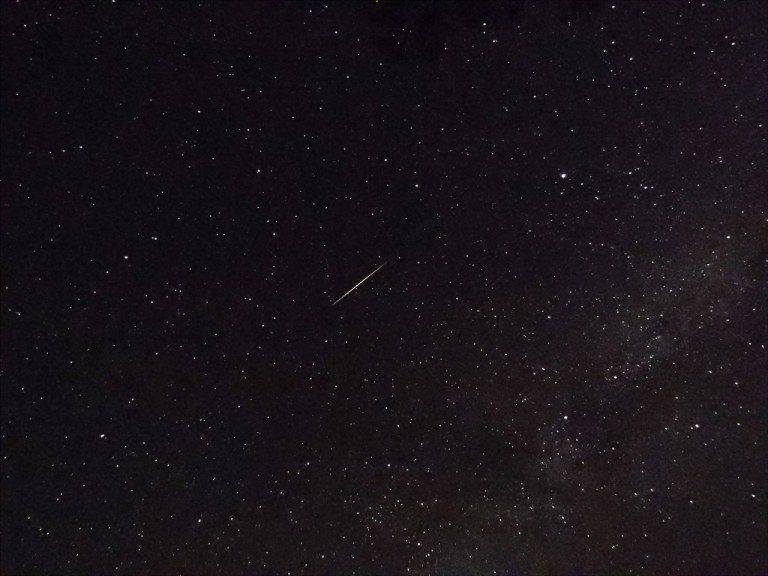
The 2020 Lyrids meteor shower will last from roughly April 16th to 25th, with peak viewing estimated to take place on April 22nd, in the dark hours just before dawn.

A dazzling event, the meteor shower consists of extremely bright shooting stars, which dash across the sky really quickly.

You can expect about 10 to 15 meteors per hour around the shower’s peak. However, the thing that makes Lyrids so special is that they’re known for unpredictable surges, which can result in about 100 meteors per hour.

Another interesting fact about the Lyrids meteor shower is that it’s actually one of the oldest recorded meteor showers. It was first documented more than 2,500 years ago!

When it comes to meteor showers, the radiant is the area in the sky from which meteors seem to originate. In this case, the radiant is the Lyra constellation.

More specifically, it’s Vega, the brightest star in the Lyra constellation.

The meteor shower can be seen from virtually anywhere. But for the best views, you’ll want to find a secluded viewing spot that’s far from city lights.

Remember, you'll likely be outside for a while. So, make sure to dress appropriately and bring a chair or blanket, so you can really get comfy. To learn more about the Lyrids meteor shower, visit EarthSky.org.
So, did you know about this upcoming meteor shower? Ever watched it? If so, what’d you think? Tell us in the comments section.
This isn’t the only option for FREE outdoor fun. Read about another here.
Subscribe to our newsletter
Get the latest updates and news
Thank you for subscribing!