Visiting The Great Dismal Swamp In Virginia Is A Surreal Experience
Great Dismal Swamp in Virginia, scarred by a 2011 fire, remains a place of eerie beauty and historical significance.
Rolling hills, mountain views, and coastal paradise - if you've lived in Virginia for any period of time, you've probably grown accustomed to this beautiful scenery. That being said, our standards for beauty are set pretty high. What's more unusual are the places that seem otherworldly, not for their beauty but for other remarkable reasons. Great Dismal Swamp in Virginia is one such place. What was once a pristine landmark for preservation was scarred by fire caused by lighting in 2011. The fire burned for 111 days straight, covering the area in flame and smog. The fire damage has cast the swamplands in an eerie shadow, but there's hope that regrowth will continue. These pictures show a progression of the swamp: before the fire, during, and after. Each stage seems like it could be a scene from a dream.
You have to admit, the name "Great Dismal Swamp" doesn't conjure up images of ethereal beauty.
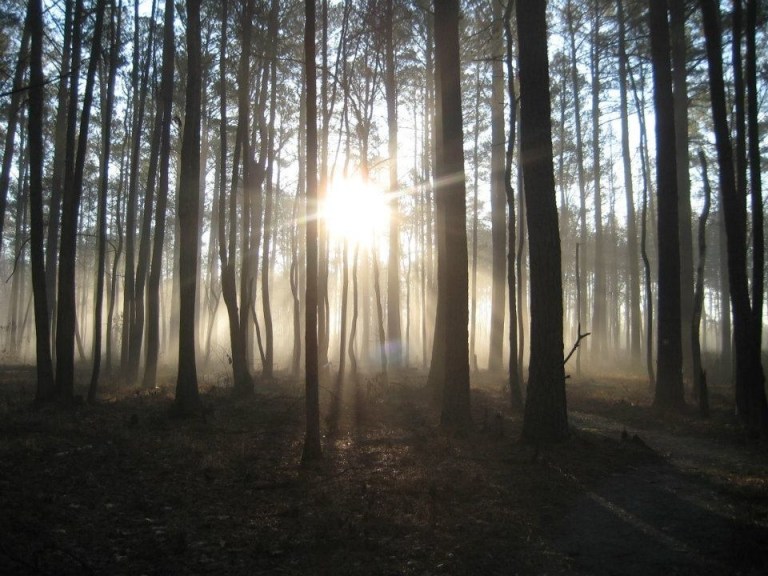
But pictures of the area taken before the fire suggest otherwise. This wildlife refuge in Suffolk was created in 1974 to protect this marshy region of southeastern Virginia.
It's one of the few remaining American wildernesses, and the surrounding primitive beauty is an incredible experience.

This makes you wonder what the rest of the state might have looked like before civilization took over.
What makes Great Dismal Swamp even more dreamlike is how it can be slightly disorienting.

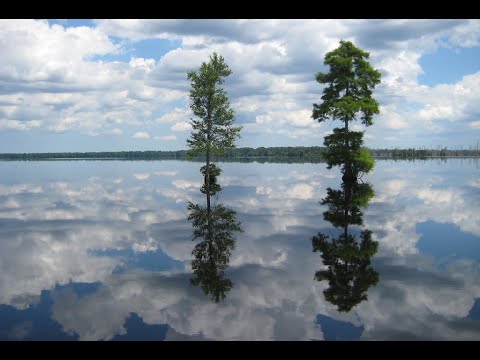
The circular Lake Drummond remains a geographical wonder and is one of only two natural lakes in the state. Poets and writers alike have deemed this place spectacular and mysterious.
When the fire struck, acres of gorgeous trees and wildlife were lost.

What kept the fire burning for so long was the peat soil and soft mud of the marsh. Burnt peat has this striking orange color.
Great Dismal Swamp is home to black bears, bobcats, river otters, and over 200 species of birds.

The protected area includes 112,000 acres of important habitat.
In addition to its ecological importance, the Great Dismal Swamp is also historically significant.

Enslaved people used the swamp as a refuge. The importance of the swamp to early American history is recorded in Harriet Beecher Stowe's Dred: A Tale of the Great Dismal Swamp. In 2012, the Underground Railroad Exhibition Pavilion opened so visitors could learn about this.
A 6,300-acre marsh has begun to arise out of the major fire scar from 2011.

Hardwoods, vines, and cattails are re-emerging and quickly filling what was lost. Scientists believe a similar phenomenon occurred 4,000 years ago, which led to the formation of Lake Drummond. This aerial view of the lake (pre-fire) shows the extraordinary beauty of what we hope the area will return to.
Take a virtual tour of the Great Dismal Swamp in VA and Northeastern North Carolina in this video from The Nature Bus:
Although fires are devastating and tragic, they have a way of renewing the landscape and reminding us of the resilience of nature. Have you visited the Great Dismal Swamp in Virginia? Did anything about it seem particularly dream-like? Share your experiences in the comments!
Then, check out some of our favorite lesser-known state parks where natural wonders are just waiting to be discovered.
Subscribe to our newsletter
Get the latest updates and news
Thank you for subscribing!