These Are The 6 Scariest Bugs That Live In Vermont That You Should Know About
Vermont has several dangerous insects, including spiders, ticks, bees, wasps, and mosquitos, that can pose health risks.
Vermont is not typically considered a terribly dangerous place to live, but we do have our fair share of creepy crawlies. From bugs that can transmit diseases to a few of the most dangerous spiders in the world, here are the worst insects you’re likely to encounter around here. Curious about what kind of bugs in Vermont can be harmful? Check them out:
1. Brown recluse spider
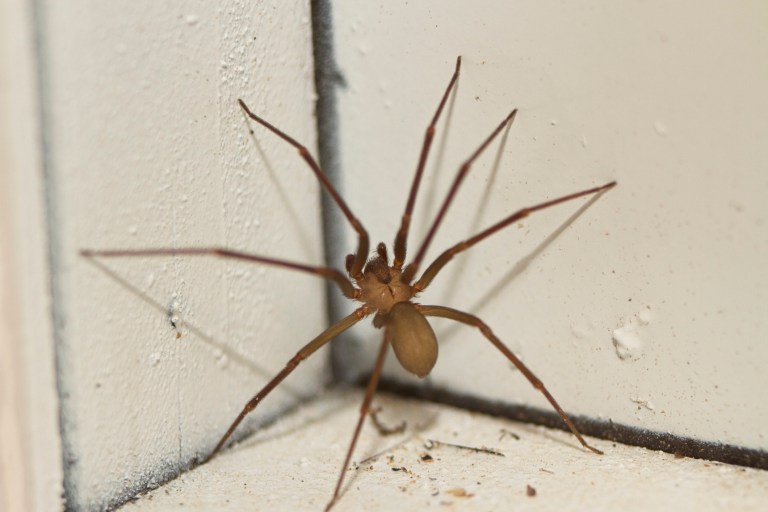
The brown recluse spider is a nasty critter with a bite that can cause severe medical symptoms. The spider itself is usually a light or medium shade of brown with long, thin legs. It’s usually recognizable by the small fiddle-shaped marking just behind what appears to be its head. Though not thought to be native to Vermont, the brown recluse has occasionally been spotted in the state.
Its bite can cause intense pain at the bite site, fever, nausea, vomiting, itching, and muscle aches. These spiders like to hide in warm, dry, dark places such as closets, barns, basements, and woodpiles. Though their bite is rarely fatal to adults, there have been instances where children under seven died as a result of a brown recluse spider encounter.
2. Northern black widow spider

The northern black widow spider is one of the most dangerous spiders in the world. That being said, it’s still incredibly rare for anyone to become seriously ill or die as a result of a black widow bite. These spiders are generally identified by their long black legs and the bright red hourglass marking on their glossy abdomens. They are nocturnal and spend most of their time in their webs, only biting humans if threatened. Their bites can cause muscle spasms near the bite site, fever, nausea, stomach pain, headache, vomiting, high blood pressure, and tissue death.
3. Ticks

As anyone who has spent any amount of time outside in Vermont likely knows, ticks are tiny insects that can attach themselves to people and pets in order to feed on their blood. Their bodies swell as they eat and they usually drop off when they are finished. Some species of ticks carry dangerous conditions such as Lyme disease, which can be hard to diagnose and have lifelong repercussions. If you spot a tick on yourself or a loved one, remove it by pinching the head and pulling it gently away from the skin. See a doctor if you develop any unusual itching, burning, or discoloration near the bite site.
4. Bees

Bees are an important part of the natural ecosystem and should be respected. However, they will often sting if threatened. As most people know, bee sting are very painful and can cause potentially fatal anaphylactic shock in individuals with a bee sting allergy. If you are stung by a bee and do not have an allergy, you should remove the stinger before washing the site with soap and water. Apply an ice pack and elevate the site for at least 10 minutes to prevent swelling.
If you do have a bee sting allergy or suspect that someone around you is suffering from an allergic reaction, immediately dial 911 and use an EpiPen (epinephrine autoinjector) if possible.
5. Wasps

Don’t confuse dangerous wasps with friendly bees. Also known as Yellowjackets or hornets, these fellows use yellow and black striping to mimic bees. They have a fierce sting and do not produce honey like bees, but create grey, papery nests. Wasp stings are incredibly painful but usually not dangerous. In rare cases, people without pre-existing wasp allergies can go into anaphylactic shock if stung by a large number of wasps at the same time.
6. Mosquitos

Mosquitos are definitely native to Vermont, and love to congregate around stagnant areas of water such as forest pools or bird baths. They can carry a host of dangerous diseases such as Eastern equine encephalitis and West Nile virus. If you plan on spending time outdoors, it’s important to protect yourself by wearing light-colored clothing, using bug spray, and avoiding standing water.
Do you know of any other dangerous bugs in Vermont? Share and let us know in the comments. Keep exploring for more of the scariest things in Vermont!
Subscribe to our newsletter
Get the latest updates and news
Thank you for subscribing!