Surges Of Up To 100 Meteors Per Hour Will Light Up The Utah Skies During The 2020 Lyrid Meteor This April
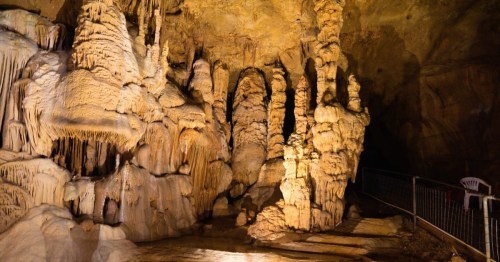
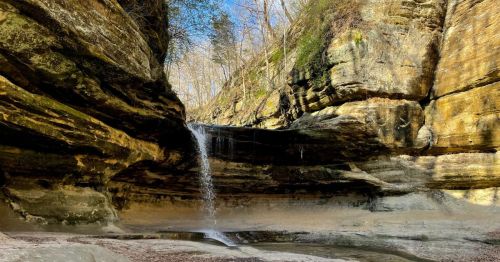
Explore Utah's stunning natural wonders, including canyons, caves, waterfalls, and unique rock formations.
Stargazers know that meteor showers can be incredible events...or they can be a bust. Light pollution caused by city lights or a full moon can impact the visibility of the heavenly light show. 2020 is a particularly good year for the Lyrid meteor shower, and you're going to want to mark your calendar now so you won't miss it!
The Lyrid meteor shower will make its appearance from April 16th through the 25th in 2020. Utahns should be able to view it easily.
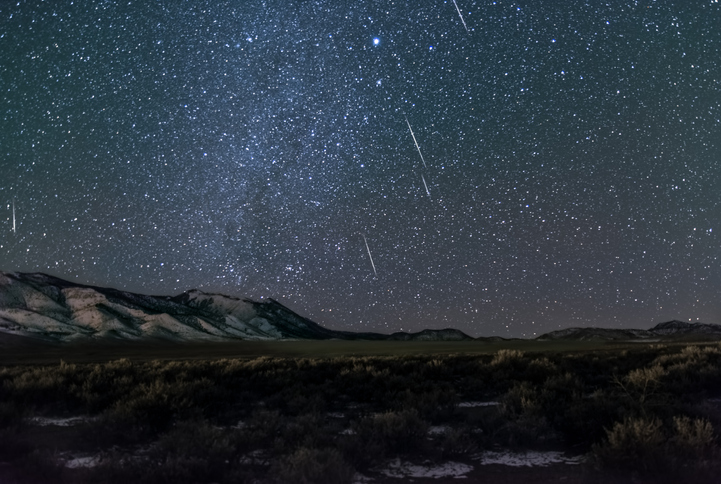
For the best views, find a place with as little light pollution as possible. Utah is home to 15 different International Dark Sky Parks and Communities.

These special places across the Beehive State are perfect for stargazing, mostly because they're in remote places, far from city lights.

Places that have earned the designation of International Dark Sky Parks and Communities include Arches, Canyonlands, Capitol Reef, and Bryce Canyon National Parks, and Dead Horse Point, Goblin Valley, Antelope Island, and Steinaker State Parks.

The five Utah national monuments with the designation include Natural Bridges, Hovenweep, Rainbow Bridge, Cedar Breaks, and Dinosaur National Monuments. North Fork Park and the town of Torrey also enjoy dark skies.
Due to COVID-19, many of these national and state parks are closed to the public, so you'll want to check before you go.

Don't worry - you'll still be able to see some meteors, even in your neighborhood.
The meteor shows will start around 10 p.m., so find yourself an outdoor spot, spread out a blanket, and settle in. On April 22nd, we'll experience peak viewing due to the fact that the new moon won't light up the sky.

Usually, the Lyrid meteor shower includes anywhere from 10 to 15 meteors per hour, but it's also known for occasional surges of up to 100 meteors. Keep an eye out - there's no way to predict when these surges will happen, and they're quite a sight to see.

Have you seen the Lyrid meteor shower in past years? Tell our readers about it!
Subscribe to our newsletter
Get the latest updates and news
Thank you for subscribing!