10 Sapphire Blue Lakes in the U.S. That Look Almost Too Beautiful To Be Real
Discover 10 breathtaking sapphire blue lakes across the United States, from alpine gems to crystal-clear glacial waters that almost look unreal.
If you have never seen sapphire stars twinkling in the water at twilight, here is an invitation to visit some of the most breathtaking blue lakes in the U.S. You don’t have to travel to the Caribbean to get a taste of tropical-looking waves. The United States is dotted with hidden spots that have an almost otherworldly beauty and pristine waters, just waiting for you to explore. But why are these waters so colorful? Across different geological settings, you’ll find lakes tinted by “glacial flour” (fine rock powder that reflects sunlight), pure white sand bottoms, or extreme depths that absorb all colors except blue. Here are some of the most shockingly blue waters you’ll ever see in some of the prettiest lakes in America.
1. Diablo Lake - Washington
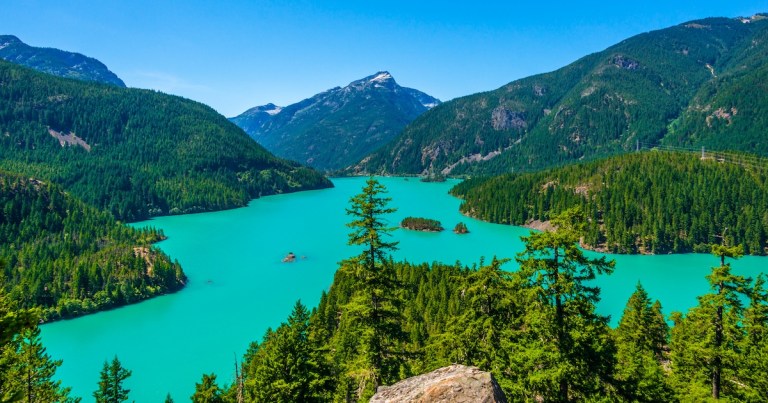
Diablo Lake looks like something from another planet. Located in the North Cascade Mountains of Washington, this reservoir gets its surreal turquoise coloring from glacial flour. As surrounding glaciers grind against the rocky peaks, they create a fine powder that washes into the lake and stays suspended in the water, reflecting the sunlight. To see the colors at their bluest, plan your visit for July or August when glacial melt is at its highest. You can fish, camp, kayak, and canoe here, as well as explore myriad other beautiful spots managed by the National Park Service in the Ross Lake National Recreation Area and North Cascades National Park. If you don’t feel like getting on the water, simply pull over at the Diablo Lake Vista Point off State Route 20 for an easy photo op.
2. Amethyst Lake - Utah

Perched at roughly 10,700 feet in the High Uintas, Amethyst Lake is one of the most gorgeous natural spots in Utah. You can reach this stunning lake via a strenuous 12-mile out-and-back hike from the Christmas Meadows trailhead, up through meadows and steep, rocky terrain. So the best time to hike is between July and September, after the snow has melted.
3. Ice Lake - Colorado

As you might have gathered from the name, this lake is gorgeous but frigid. Located near Silverton in the scenic San Juan Mountains of Colorado, Ice Lake is perched at over 12,200 feet and stays covered by snow for nearly eight months out of the year. Like other Alpine tarns, Ice Lake's Gatorade-blue color comes from a mix of dissolved minerals and glacial flour. Visit in mid-to-late summer to ensure the 7-mile hike is free of ice and snow—and to enjoy wildflowers in the mountain meadows.
4. Cosmic Cavern - Arkansas

Sapphires come from underground, and that’s just where you’ll find this startlingly blue lake. Cosmic Cavern is located in Berryville, and it's the largest privately owned cave in Arkansas. It’s home to two crystal-clear underground lakes—South Lake and Silent Lake—that are so deep they are said to be bottomless. The water has a constant year-round temperature of 64 degrees Fahrenheit and practically glows a brilliant blue when illuminated, thanks to the high limestone and calcite content. Explore the cavern and check out South Lake on a guided, family-friendly 1-hour walking tour.
5. Lake Helen - California

Lake Helen is a beautiful glacial lake that sits at an elevation of 8,200 feet in Lassen Volcanic National Park. It’s fed entirely by melting snow and boasts some of the most pristine, turquoise waters you’ll ever see. The unique mineral content of the surrounding volcanic terrain gives the lake its striking sapphire hue. Because of its extreme elevation, the lake remains frozen for most of the year, meaning the scenic highway leading to it usually doesn’t open until July. When it does, though, you can drive right up to its shoreline, making it one of the most accessible high Alpine lakes in the U.S.
6. Lake Powell - Arizona/Utah

Head to the Glen Canyon area in Arizona for a taste of one of the country's largest reservoirs. Lake Powell is known for being a popular boating and paddling destination. The lake's startlingly blue waters are beautifully set off by the intense colors of the dramatic Arizona/Utah Navajo sandstone landscape. To beat the extreme summer heat and heavy boat traffic, plan a trip in the spring or fall for a much more comfortable time exploring the slot canyons and taking in the views. Before you head out on the water, it's always a smart idea to check current lake levels and marina access with the Bureau of Reclamation.
7. Lake Michigan - Wisconsin

Okay, so this lake is no secret. But it's hard to truly appreciate how "great" the Great Lakes really are until you're standing on their shores. Lake Michigan has many moods, but on a clear day it can transform into something almost resembling a tropical pool. This Caribbean effect happens when sunlight scatters through the clear, algae-free water and bounces off the light-colored limestone and quartz sand on the lake bottom. One easy-to-reach public access point is the beach in Pleasant Prairie, Wisconsin, where you can swim and paddleboard just steps from the parking lot.
8. Lake Tahoe - California/Nevada

Straddling the border of California and Nevada, Lake Tahoe is the highest alpine lake in the country, sitting at a staggering 6,225 feet above sea level. Its famously colorful waters and beautiful shoreline draw thousands of visitors a year for boating, hiking, and skiing. The lake is so large, deep, and algae-free that it absorbs red light and reflects the blue sky. For the best viewing spots, head to Emerald Bay State Park on the California side at sunrise to see the brilliant water without the heavy daytime boat traffic, or explore some of the incredible beaches managed by Nevada State Parks on the eastern shore.
9. Torch Lake - Michigan

Torch Lake is spread over Antrim and Kalkaska counties and offers a great alternative to the famed Great Lakes. Thanks to glacial action, which carved a deep basin with a white sand bottom to form the state's longest inland lake, there is little visible sediment suspended in the lake, which means the water can look almost turquoise, more like Martinique than Michigan. With pure, cool waters of a Caribbean hue, it'll be a real struggle to pull yourself away from this beautiful blue lake.
10. Little Lava Lake - Oregon

You'll find Little Lava Lake in Oregon’s Deschutes National Forest, along the Cascade Lakes Scenic Byway, and, as its name implies, it's rimmed by an ancient volcano. If this unforgettable setting isn’t enough to inspire a visit, the lake’s waters are a clear cerulean that stands out beautifully against the snow-capped peaks of Mount Bachelor and South Sister in the distance. The area is easy to access and is popular for camping, hiking, and even trout fishing right from the shore. For trail conditions and camping reservations, check with the U.S. Forest Service.
Are you ready to pack the car and head to one of these gorgeous blue lakes in the U.S.? Just remember, the reason these waters stay so clear is because of their pristine quality, so always practice Leave No Trace principles, pack out your trash, and stick to marked trails so these natural wonders will be here for future generations to enjoy.
Subscribe to our newsletter
Get the latest updates and news
Thank you for subscribing!