6 States That Could See Historic Snowstorms in Early 2026
Discover the U.S. states most likely to face historic snowstorms in early 2026, based on historic weather patterns and climate.
Year after year, those who live in colder climates brace ourselves for the blustering winter weather, with thoughts of snowstorms and potential blizzards at the back of our minds. Growing up in New England, I experienced my fair share of major snowstorms and blizzards, and then there are historic blizzards that people have been talking about throughout my entire life, specifically the Blizzard of '78, during which nearly 2.5 feet of snow was dumped on Rhode Island and parts of Massachusetts and New Jersey, along with hurricane-force winds and coastal floods. Other historic winter storms include Snowmageddon of 2010, which featured two large-scale blizzards within days of each other, and Snowzilla of 2016, which affected several states, including Georgia, Alabama, and Florida, that typically don't experience much or any snow.
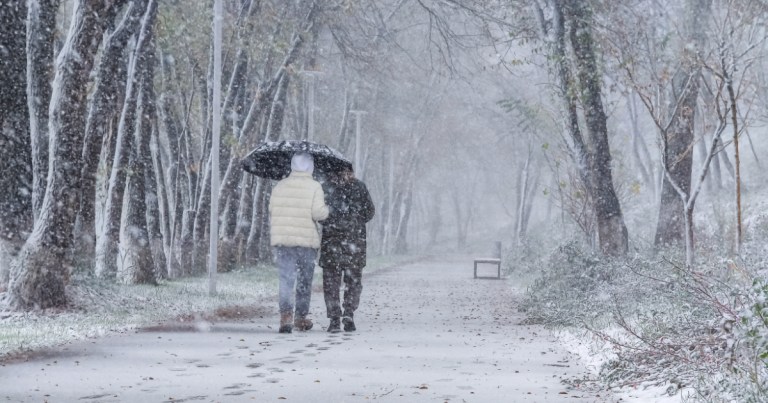
So, which states are likely to see snowstorms in 2026? I posed this question to my husband, meteorologist Tony Merriman, who worked for the National Weather Service for 20 years. By reviewing past weather models, he was able to provide insight into which states may experience early snowstorms in 2026.
The Effects of La Niña on Winter Weather

La Niña is a weather pattern that originates in the Pacific Ocean, causing cooler-than-normal sea surface temperatures. As a result, the weather is affected, leading to wetter and colder winters in the northwest U.S.
"Both the U.S. Climate Prediction Center (CPC) and the World Meteorological Organization (WMO) confirm that weak La Niña conditions are present, with a gradual transition to neutral conditions likely in the next month or two. Since a La Niña pattern tends to nudge the jet stream northward across the northern parts of the United States, CPC's 3-month outlook for January-February-March indicates odds tilted in favor of above-normal precipitation across those areas into the Great Lakes region," states meteorologist Tony Merriman.
He continues, "The combination of odds favoring above normal precipitation and below normal temperatures should give the best chances for record snow possibly occurring in Washington, Idaho, Montana, North Dakota, South Dakota, and Minnesota. Although record snow events can occur in any state at any time during the winter months, the highest likelihood appears to be across the Pacific Northwest, Northern Rockies, and Northern Plains."
Here is more on the six states that may experience a historic snowstorm forecast:
1. Washington

The average annual snowfall in Washington State ranges from a few inches along the coast to 25-50 inches in the Cascade Mountain Range. The Northern Cascades Mountain Range, near the Canadian border, typically sees 75-100 inches of snowfall annually, while the interior of Washington state usually sees annual snowfall in the 10-25 inch range.
On Feb. 24, 1994, Crystal Mountain Ski Resort, located in Pierce County, experienced a record of 65 inches of snowfall in a 24-hour period—it's typically 143 inches in this area for an average season. The deadliest winter storm in Washington to date occurred in the town of Wellington, where a nine-day blizzard struck in February 1910. On one of those days, 11 feet of snow fell. Towards the end of this historical winter storm, there was an avalanche that killed nearly 100 people.
2. Idaho

In Idaho, the average annual snowfall ranges from 50 to 75 inches in the higher elevations across the state's northern Rocky Mountains. The lower elevations across southern Idaho, on the other hand, average between 25 and 50 inches per year. One of the state's most historic storms was the Sandpoint Blizzard of 1968-1969. During this extreme winter storm, 82 inches of snow fell, creating snowdrifts up to 12 feet high!
3. Montana

While the snow-covered landscape can be strikingly beautiful, Montana has had its fair share of destructive winter storms. One of the biggest snow events in the state occurred on December 27, 2003, in Milligan, Montana, in Cascade County. Though the average snowfall on December 27 here averages 0.8 inches, it far exceeded that in 2003, when 48 inches of snow accumulated with wind gusts of up to 50 mph. Could that happen again in 2026?
The statewide snowfall average generally ranges from 50 to 75 inches across the Northern Rocky Mountain range in western Montana, while the lower elevations and plains in eastern Montana average between 25 and 50 inches per year.
4. North Dakota

Across North Dakota, the average annual snowfall ranges from 25 to 50 inches. One of the most talked-about blizzards in the state was the Great Blizzard of 1966. Lasting for several days from March 2 to March 5, wind gusts reached over 70 mph, and 20-38 inches of snow fell in many areas across the state, accompanied by massive snow drifts that reached heights of 30-40 feet. This was one of the most historic snowstorms in North Dakota, and hopefully, history won't repeat itself this year.
5. South Dakota

South Dakota typically receives 25 to 50 inches of snowfall annually across the entire state. However, the average annual snowfall ranges between 50 and 75 inches in the higher elevations of the Black Hills.
North Dakota's worst winter storm was also South Dakota's, which occurred from March 2 to 5, 1966. However, there are others. From October 3 to 5, 2013, a historic pre-winter storm pelted the plains with heavy rain and snow, accumulating 22-58 inches in some areas. It certainly was a historic storm for South Dakota, especially before the winter season.
6. Minnesota

In Montana, the average annual snowfall generally ranges from 25 to 50 inches across the western, central, and southern portions of the state. However, snowfall in northeastern Minnesota, near Lake Superior, averages 50-75 inches per year.
So, what was the worst winter storm in Montana? Historically, the Blizzard of 1887 takes that prize. Over the plains where millions of cattle grazed, temperatures dipped below 50 degrees, high winds whipped through the landscape, and over 16 inches of snow fell. While the snowfall doesn't seem too significant, the high winds, below-freezing temperatures, and the deaths of hundreds of thousands of cattle made the winter storm a historic event, which is why it was referred to as "The Great Die-Up."
Winter Weather Preparation
Snowstorms and blizzards can be extremely dangerous and catastrophic, characterized by low visibility and sub-freezing temperatures. High winds that come with blizzards can also knock out power for days, forcing the closure of schools and businesses. Preparation is key when anticipating a winter storm, ensuring we have enough water, warmth, and provisions to weather the storm. What do you think of the winter snow forecast for 2026? Do you live in a state predicted to see a historic snowstorm this year? Check weather.gov for NOAA's Winter Outlook for where you live.
If you plan on taking a getaway this winter, look at the forecast for your destination, and then plan your own trip using Only In Your State’s itinerary planner.
Subscribe to our newsletter
Get the latest updates and news
Thank you for subscribing!