Two Park Rangers Share Their National Parks Stories Amid Budget Cuts (and How It Impacts Future Visits)
Two park rangers react to being terminated from the NPS by DOGE, share their stories and concerns for our public lands
There is nothing so American as our national parks... The fundamental idea behind the parks... is that the country belongs to the people, that it is in process of making for the enrichment of the lives of all of us. - Franklin D. Roosevelt
For more than a century and a half, folks from all walks of life and political persuasions could largely agree that our national park system is uniquely American, a crown jewel of national pride. During that time, the notion behind our parks seemed, essentially, unassailable. In fact, former National Park Service (NPS) Director George Hartzog, Jr., noted that "The national park idea has been nurtured by each succeeding generation of Americans."
In recent weeks, however, several actions by the current administration and its Department of Government Efficiency, DOGE, have cast doubt on our nation's commitment - at least at the governmental level - to the preservation of our national parks and other public lands.
In late January, the administration announced an agency-wide hiring freeze at NPS, followed by buyout offers to current employees. These moves combined to damage an already lean agency's ability to operate effectively and perform its mission of protecting the parks, monuments, sites, and trails under its jurisdiction.
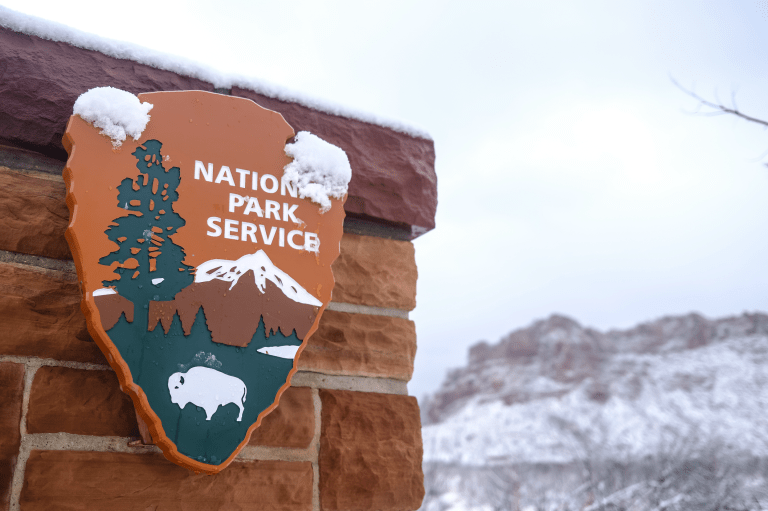
On February 14, 2025, in a move that some NPS staffers have called the "Valentine's Day massacre," DOGE notified approximately 1,000 additional agency employees - about 5 percent of its workforce - that they were being terminated. For many, like Minnesota native Kathryn Brainerd, the news came as a shock.
"It definitely hurts," she said. "It's not a great feeling when you have everything all set to move in a few days' time to then get told your job is no longer available."
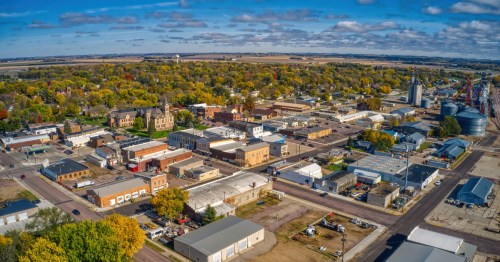
Brainerd, a veteran who had served five-and-a-half years in the Navy, had just finished a 10-month internship at Badlands National Park and was preparing to report for duty at Appomattox Court House National Historical Park in Virginia.
"It would have been my first permanent position," she said. "I would have been an interpretive ranger."
Instead, Brainerd is now searching for a position in the natural resources at the state or local level.

The agency's firing of employees like Brainerd not only affects them personally but will also directly affect park visitors. In addition to its permanent staffers, NPS also relies on nearly 7,500 seasonal workers. Between the layoffs and the hiring freeze, NPS could face a sudden workforce reduction of almost 30 percent.
"It will mean that parks will barely be able to function," Brainerd said. "Resource damage and theft will skyrocket, broken things won’t be able to get fixed, trails won’t be able to be maintained, et cetera."

As of this writing, the administration has walked back the hiring freeze with respect to seasonal employees; however, it's unknown whether NPS will be permitted to hire a full seasonal complement or whether the freeze may be reinstated. Such uncertainty leaves NPS units without the ability to plan for the near future.

Fired NPS employees are now facing the same kind of uncertainty. Lydia Jones was working as a permanent lead ranger in Badlands National Park's resource education division when she learned that her position was being eliminated. The permanent ranger position had been a dream job for Jones, who spent a large portion of her childhood in Texas, near Big Bend National Park and four years as a seasonal NPS employee before being hired for her ostensibly "permanent" position.
"I am still figuring out what I will do next," Jones said. "I hope that regardless of where my path leads me that I can still incorporate the values of public service that I held during my time in park service."
Jones and her partner had just moved to a new home to be closer to her office at Badlands. Most other employment opportunities in the area are 70 or more miles away - in the Rapid City area - from where they live.
"I am very fortunate in the fact that my partner and I did not live in park housing and will not lose our home," she explained. "The main loss for me isn't financial. The main loss for me is [that] of something I truly loved doing, and felt like a part of who I was... I truly felt like I was making a difference in people's lives and their experiences in our national parks."

Jones wants people to understand "the long-term ramifications that this gutting of public lands staff will have." Like Brainerd, she's very concerned about what will happen to NPS units.
"Many parks, which were already struggling with accommodating an increase in park visitors, are going to be even more overwhelmed after the loss of permanent employees," Jones said. "People like me were terminated without regard for performance or position duties, and were given no time to wrap up any of their projects or current work."
Without staffing, some parks may become inaccessible to visitors, as they have during government shutdowns. Saguaro National Park, for example, has already announced that its two visitor centers will be closed an extra day each week. Further, outreach to potential visitors will likely be curtailed, as well. Jones, for example, managed the social media accounts for Badlands National Park.
"I absolutely think that these terminations will lead to parks not being able to provide sufficient visitor services, and in some cases, will have a direct impact on visitor safety," Jones said.
This sentiment is echoed by Emily Pennington, who chronicled her year-long quest to visit every U.S. national park in her 2023 book, Feral.
"These firings are going to push an already strained parks system to the absolute brink," she said. "A few years ago, we all heard about the NPS’ 11.3 billion-dollar maintenance backlog, and how a severe lack of funding was already hurting the guest experience and the parks’ ability to fix roads, campsites, historic buildings, etc. Now, even more basic maintenance and staffing will be nearly impossible."

As an avid adventurer and outdoor writer, this is devastating news for Pennington, who has a deep and abiding relationship with our public lands.
"Our national parks are some of the few places where we can find refuge from our anxiety-inducing city lives. They are places to experience the sublime, awe-inspiring swaths of land that house some of our country’s most important landmarks, plus innumerable flora and fauna," Pennington said.
Pennington's concerns also reach to visitor safety.
"I’m expecting uncleared trails, unclean restrooms, and long, long lines to get into the most popular parks this spring break and summer season," she said. "I believe Saguaro National Park already had to close its visitor center every Monday, due to the firings, and Devil’s Postpile lost its only EMT."
Brainerd and Jones were both on the search and rescue (SAR) team at Badlands. Jones was one of only three permanent EMTs in the park, a sprawling 244,000-acre unit with a large backcountry, difficult terrain, extreme weather, and potentially dangerous wildlife, like rattlesnakes and bison.
With the cuts, more responsibility for safety and comfort will fall on visitors themselves.
"It’s going to be more important than ever to volunteer and/or donate to your local parks and trail crews," said Pennington. "Help clear brush, bring your own hand sanitizer, and try to get to the parks early to help gate staff avoid a barrage of traffic during peak hours. Lastly, this might end up being a terrible year for wildfires. I’d be hesitant to start a campfire in a park this year, even in more developed sites."
Unfortunately, respect for our public lands does not always go hand-in-hand with the desire to visit them. This was apparent during recent government shutdowns and the COVID-19 pandemic when places like Joshua Tree National Park and the Boundary Waters Canoe Area Wilderness suffered vandalism and damage to natural resources and infrastructure.
Ultimately, it is their respect for our public lands and the desire to protect them that fuel the frustration felt by fired rangers like Brainerd and Jones. As concerned as they are with finding new jobs and hurt by the manner in which their lives were upended, both still expressed their love for our national parks.
"I truly believe that national parks are America's best idea and that preserving and protecting our public lands for this generation and the next should reach beyond politics or partisanship," Jones said. "I hope that the majority of the American public believes the same and will advocate for these amazing places and the people who protect them."
Subscribe to our newsletter
Get the latest updates and news
Thank you for subscribing!