Hawai’i Volcanoes National Park: Explore the Fiery Side of Paradise
Hawaiʻi Volcanoes National Park on the Big Island offers dramatic volcanic landscapes, rare flora and fauna, and a glimpse of traditional Hawaiian culture.
Without a doubt, Hawai'i is a dream destination for most Americans. Even native Hawaiians love island hopping and exploring the breathtaking treasures that lie in their own backyards. If you're visiting the Big Island, exploring Hawaii Volcanoes National Park is a must. This unique park offers dramatic volcanic landscapes, pockets of rare flora and fauna, and a glimpse into traditional Hawaiian culture.
Getting to Hawaii Volcanoes National Park
You'll find Hawaiʻi Volcanoes National Park on the Big Island of Hawaii, about 30 miles southwest of Hilo on the island's southeastern shore. Hilo is also the city with the closest airport, although Kona - on the island's west side - has more scheduled flights from the Mainland. Either way, if you're not local or part of a tour, you will likely need a rental car to explore the park.
Is Hawaii Volcanoes National Park Worth Visiting?
In a word: definitely! This 523-square-mile park contains some of the world's most awe-inspiring wonders, not to mention the two active volcanoes. This place is downright otherworldly. You can bring a camera, but it's hard to capture the absolutely staggering beauty of this place. No matter where you're coming from, this spectacular slice of nature is worth the journey.
The park is home to two active volcanoes, which means you'll see some seriously dramatic landscapes. There's Kīlauea, one of the world's most active volcanoes, and Mauna Loa, the world's largest shield volcano. Seriously, this is a once-in-a-lifetime experience. Bucket list doesn't even begin to describe it.
Hawaii Volcanoes National Park was known as Hawai'i National Park when it was founded in 1916. In 1961, it was established under its current name. It is now one of the Aloha State's top destinations, often welcoming between more than a million visitors each year. We're not surprised! Such a stunning landscape is a must see while visiting Hawaii.

Getting Around Hawaii Volcanoes National Park
You'll have the choice of two roads to see some of the best scenery by car. Crater Rim Road - which no longer navigates all of Halema'ama'u Crater thanks to damage from a recent eruption - is a great option for those who want to see a lot in a short amount of time or who have accessibility needs that require more hospitable stops and overlooks.
Chain of Craters Road is an 18-mile stretch of winding road that is known for being especially scenic. You'll go from 4,000 feet of elevation to sea level, and along the way, you'll have the opportunity to see hardened lava flows, petroglyphs, and craters. At the end of Chain of Craters Road, you'll reach the scenic Hōlei Sea Arch.
Please note that this road is occasionally obstructed and closed during eruptive periods. Definitely check online to see what condition the park is in and to learn about any closures before you go.
Best Hikes in Hawaii Volcanoes National Park
Of course, the best way to explore this park's diverse landscape is on foot, and Hawaii Volcanoes National Park is home to plenty of inviting hiking trails that showcase its incredible natural and cultural treasures. The Halema’uma’u Steam Bluff and Sulfur Banks Trail is a popular pick, a 1.5-mile, family-friendly trail where steam can often be seen rising from cracks in the ground. You'll feel like you're exploring another planet in a Star Wars movie. The Kīlauea Iki Trail is another popular option, as it descends to the surface of a solidified lava lake in a volcanic crater.

The transition from lush, tropical rainforest into the rocky, barren landscape is stark and feels almost otherworldly. There are only a few places on earth where you can find these kinds of landscapes next to each other.
Nāhuku, also referred to as the Thurston Lava Tube, is a 500-year-old lava cave that on a short loop trail that makes a perfect end to a day of hiking in the Crater Rim area. Once upon a time, a river of 2,000-degree lava flowed right through this area. When conditions cooled it created this tunnel. Like other trails in the park, Nāhuku may close due to weather, seismic or volcanic conditions, it is truly an enchanting wonder. The lava tube is lighted from 8 a.m. to 8 p.m. and open for you to explore at your own risk. AllTrails Plus is a great tool to have handy at Hawaii Volcanoes National Park for both the trail condition updates and downloadable maps for offline use in the large portions of the park that lack cell service.

Another point of interest, especially for archaeology and history buffs, is the Puʻu Loa Petroglyphs Trail. Pu’u Loa is a sacred place for the Hawaiian people. The largest group of Hawaiian petroglyphs can be found here, dating to between 1200 and 1450 A.D. There are an estimated 23,000 petroglyphs at this site. Talk about history! So much of our earth's past can be peeked at this park.

Will I See Molten Lava When I Visit Hawaii Volcanoes National Park?
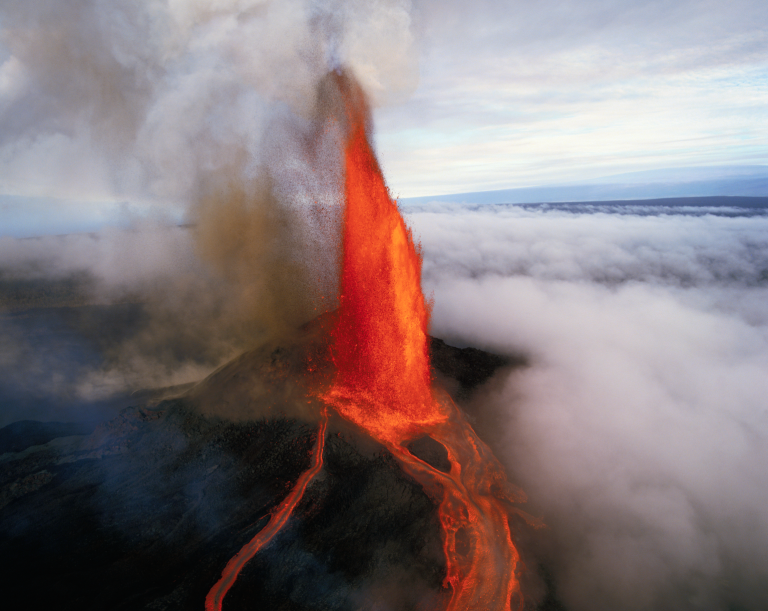
There is no guarantee that you will see molten lava when you visit Hawaii Volcanoes National Park. While Kilauea has been erupting on and off for decades - and Mauna Loa on occasion - the volcanoes' eruptive events are interrupted by periods of inactivity, which can last for days or even years. Moreover, the locations of eruptions can change suddenly. Kilauea, for example, has erupted in places that are inaccessible to visitors, but recently, it has shot lava fountains in the air from Halema'uma'u Caldera. Even if you do not have the opportunity to see molten lava on your visit, you'll see plenty of other evidence of volcanic and seismic activity in the park. Visit the USGS Hawaii Volcanoes website for eruption updates.

Where to Stay in Hawaii Volcanoes National Park
Hawaii Volcanoes is one of the handful of NPS units with a lodge right in the park - and it's a pretty amazing place. The historic Hawaii Volcano House sits right on the rim of the Halema'uma'u Caldera, often giving visitors a front-row seat to any volcanic activity happening in the crater. You'll also find two drive-in campgrounds within the the park.
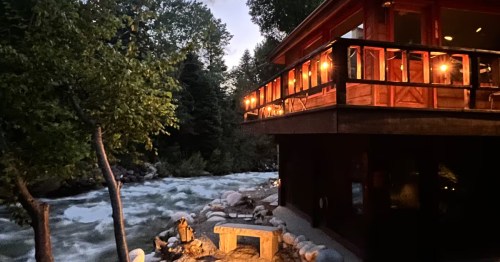
Volcano, aptly, is the gateway community for Hawaii Volcanoes National Park, and you'll find an array of lodging options in the village. Among these are several vacation rentals, like this cozy two-bedroom Volcano cabin, which is available on Airbnb.
Practical Tips for Visiting Hawaii Volcanoes National Park
Accessibility
Park staff and partners are working hard to correct and resolve accessibility deficiencies throughout the park. From designing and building new facilities to the rehabilitation of older structures, improving accessibility is a top priority. The Kīlauea Visitor Center, Volcano House, and Volcano Art Center are wheelchair accessible, as is most of the Ha'akulamanu (Sulphur Banks) Trail. The short gravel trail from the Steam Vents parking lot to the Steaming Bluff (Wahinekapu) also has access for wheelchairs, which may be available for use at the Kīlauea Visitor Center.
Pet-Friendliness
Dogs are allowed in some parts of the park, but many areas prohibit pets. Where pets are allowed, they must be kept on a leash at all times.
Parking
Kīlauea Visitor Center Parking is used to access the visitor center, Volcano House Hotel, Volcano Art Center Gallery, and various trails. There are numerous other parking lots throughout the park, but during peak visiting season, they fill up very quickly, and some may close at times due to volcanic or seismic activity.
Seasonal Access
The park is open 24 hours a day, seven days a week, as well as on all holidays. The Kīlauea Visitor Center is open daily from 10 a.m. to 5 p.m. but may be closed on some major holidays.
Cost
Hawaiʻi Volcanoes National Park charges an entry fee of $30 per vehicle, $25 per motorcycle, or $15 per pedestrian or bicycle. Each entrance fee is good for seven days. Entry to the park - as well as all other federal public lands in Hawaii - is free with an America the Beautiful Pass.
Feeling inspired to fill your Bucket List? Check out our previous features of Hoh Rain Forest in Washington, Maroon Bells in Colorado, and Letchworth State Park in New York, then subscribe to our weekly Bucket List newsletter to discover new destinations across the country that definitely deserve a visit.
Subscribe to our newsletter
Get the latest updates and news
Thank you for subscribing!