There’s A Deadly Plant Growing In Pennsylvania Yards That Looks Like A Harmless Weed
Poison hemlock is a deadly plant found in Pennsylvania yards that needs careful identification and handling.
Spending time in our yards or outdoor space is pretty common for many of us, especially during the warmer months. When we’re not relaxing, we’re likely planting, tending to our garden, or weeding. Working outdoors means knowing what plants are safe and which aren’t. The next time you’re outside working, keep an eye out for hemlock, a deadly plant in Pennsylvania yards.
Poison hemlock can be found all over Pennsylvania – from our own yards to waterways, near roads, and in fields – and it’s important to know how to identify this potentially deadly plant.
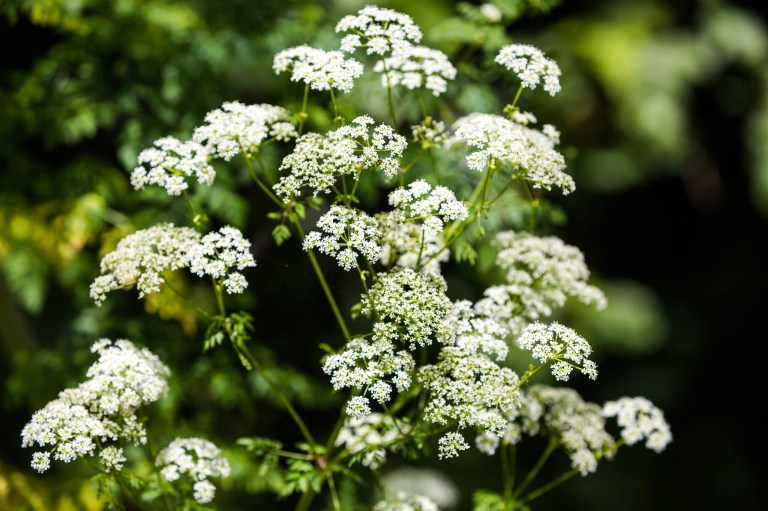
A biennial plant that’s toxic to people and animals, poison hemlock can grow between six and 10 feet, and one plant often produces more than 30,000 seeds.

Those seeds can easily be spread, too, by the wind, on your clothing, and on animals’ fur, so it’s important to deal with the plant if it’s in your yard.

However, you first have to be able to identify it. Poison hemlock is often mistaken for a variety of other plants, including parsley, carrots, parsnip, and Queen Anne’s Lace (pictured below).

The poisonous plant can be identified by the purple spots on its stem and the small white flowers that form what looks like a little umbrella. The flowers typically grow between June and August.

If you crush the plant, you’ll likely notice a strong smell. Some call it foul while others say it smells like parsley.
Avoid these plants, if possible, and take precautions if you’re going to try to rid your yard of them. A person or an animal who ingests the plant can get very sick, including leading to death by muscle paralysis and suffocation.

Merely touching the sap can also result in a skin condition called dermatitis.
The most effective way to get rid of this poisonous plant is to use a herbicide when it is still very young, in the rosette stage. You can still spray the herbicide when the flowers have bloomed, but you’ll likely have to do so several times throughout the season.

Some people use shovels or attempt to pull these plants out of the ground. No matter how you plan to approach them, make sure you wear long pants and gloves, and wash your hands after handling the plant (even if you’ve worn gloves).

Keep your pets away from this poison plant, too.
Learn more on the official website Pennsylvania Department of Conservation and Natural Resources.

Did you know about this deadly plant in Pennsylvania yards? Have you had any in your yard? Let us know in the comments! (Be sure to grab a pair of gardening gloves before going outside.) Did you know there’s also a poisonous mushroom in Pennsylvania that glows in the dark?
Subscribe to our newsletter
Get the latest updates and news
Thank you for subscribing!