A Terrifying, Deadly Storm Struck Cleveland In 1913… And No One Saw It Coming
Cleveland, typically safe from natural disasters, experienced one of the worst storms in US history during the Great Lakes Storm of 1913, which caused significant damage and loss of life.
Of all the cities in the US, Cleveland is relatively safe from natural disaster. It experiences very few hurricanes, tornadoes, wildfires, and earthquakes. But there are occasional storms, especially in winter, which take the city by surprise. Freezing wind and snow coming across the warm, shallow Lake Erie can create volatile weather events and systems. Significant precipitation from the lake can turn into snow, striking as an unexpected blizzard. We have all experienced Lake Erie's changeable weather, but the Great Lakes Storm, raging for three full days in 1913 was something Cleveland has not yet seen again...
On November 6, 1913, the Detroit News forecast "moderate to brisk" winds over the Great Lakes. By midnight that night, a ship anchored in Lake Superior reported severe damage, and was almost run ashore by gale force winds.
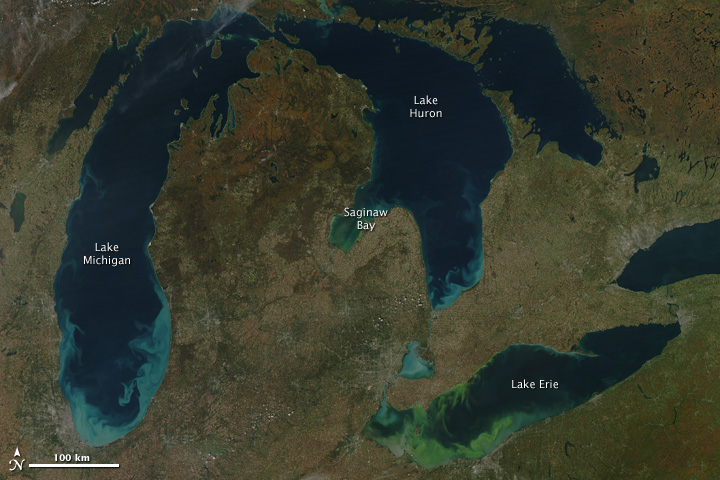
Two storm fronts converged over the lakes, creating an extratropical storm - the worst storm ever to hit Cleveland and the Great Lakes. Due to the slowness of weather reporting from the ships on the Lakes in 1913, and sudden changes in temperature, no one was prepared for three whole days of record-breaking storms.

There were waves of up to 35 feet (10 meters) on the Lakes...

... with gales of up to 90mph (145kph), and sustained winds of up to 60mph (96kph) for half a day.

Cleveland (along with other cities on the Lakes) was shut down due to high and unexpected snowfall.

The damage sustained was almost $120 million 2016 dollars. This image is of E 105th Street in Cleveland the day the storm ended.

But the highest cost was the human cost. Live Science has called it one of the 10 worst blizzards in US history, and it is clear why. In this photo, Cleveland residents shovel their way through the heavy snowfall and debris.

Over 250 people died, 38 ships were either stranded or destroyed in the Lakes. In ships that were destroyed, every last person on board was counted among the dead. Bodies from ruined and capsized ships were washed ashore. Three of the ships that sank have yet to be found.

Ask a sailor and they'll tell you that Lake Erie is a dangerous and unpredictable mistress, and you don't have to look back very far to find out why.

The storm forever changed the way that the cities on the shores of the Great Lakes built and operated ships.
Subscribe to our newsletter
Get the latest updates and news
Thank you for subscribing!