Take A Look Back At New Hampshire’s Year Without A Summer
The year 1816, known as the "Year Without a Summer," saw New Hampshire experience snow and frost during summer due to a volcanic eruption in Indonesia.
If you’ve spent enough time in New England, you’ve probably heard someone refer past history as "1800 and froze to death." As in, "the last time I saw her was 1800 and froze to death!" While it might be used as a funny way to refer to a very, very long time ago, the phrase comes from a very real time in our history. The year 1816 is also referred to as the "Year Without a Summer" in New Hampshire or "The Starvation Year." It was during this time that the summer months saw snow and ice.
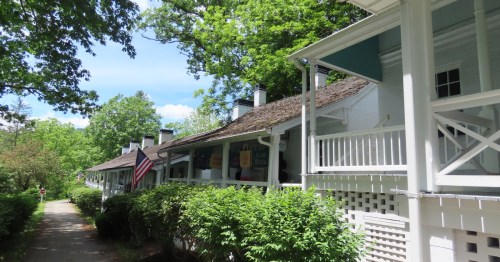
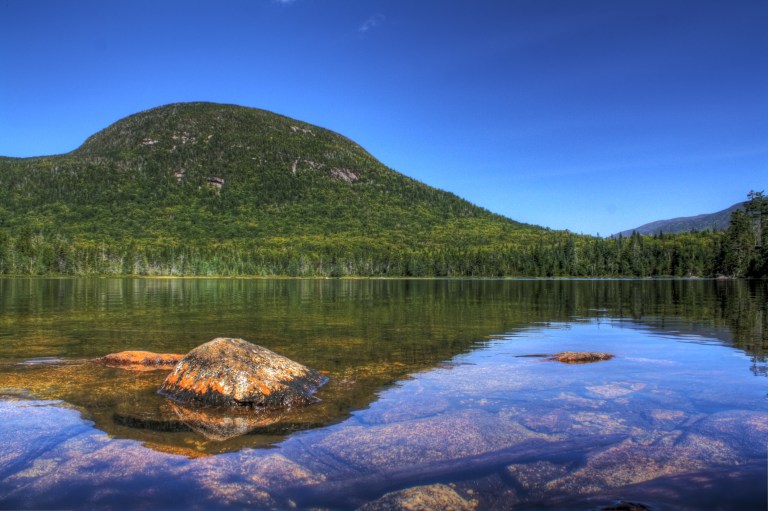
A typical June day in New Hampshire might look a lot like this - bright green trees and blue sky for as far as the eye can see. But in 1816, a volcanic eruption thousands of miles away changed what most people expected to see on a summer day.
On April 9, 1815 the largest volcanic eruption in history took place on Sumbawa island in Indonesia.

In May of that year, temperatures in parts of New Hampshire were measured at only 25 degrees.

In May, ice formed around flowers and trees. Corn crops froze. Towns, including Warner, got 4 inches of snow!

And in June, the thermometers in Portsmouth went from a 84 to 34 degrees overnight.

The frost lasting throughout the summer and into September, caused crops to fail.

Farmers had no idea this summer would be unlike any other and sheered their sheep as always. When the frost and snow came, they scrambled to find ways to keep them warm.

In many New England states the shortage of crops meant higher prices and not enough food to feed residents.

Many New Hampshire moved to the Midwest to try escaping the problem. This has been referred to as "Ohio Fever." In fact, in some states you might find an "Ohio Street," which is named because it was the main route out of town!

The situation was dire, but there was nothing to be done. Folks were forced to wait it out, hoping conditions got better.

Many people feared the end of the world, turning to the church for help.

It took climate experts nearly 150 years to determine that the end of the world was not eminent.
New Hampshire was actually experiencing a "volcanic winter" which caused sulfur dioxide to form aerosols in the stratosphere, blocking solar radiation and resulting in winter-like conditions.

Things got back to normal over time, but the region has never forgotten the "year without a summer."

New Hampshire has seen its fair share of bizarre weather. Anyone remember the worst blizzard in history that took place 40 years ago? How about the 2008 ice storm?
Subscribe to our newsletter
Get the latest updates and news
Thank you for subscribing!