Millions of Monarch Butterflies Are Headed Straight for New Hampshire This Spring
Monarch butterflies migrate through New Hampshire every spring and fall, offering a beautiful natural spectacle.
In a life of uncertainties, it's nice to know we can always rely on nature to bring some peace and beauty. Every year in New Hampshire, we can rely on spring to bring us out of winter, even if it takes a while to arrive. One of the other benefits of springtime in New Hampshire is the beautiful monarch butterfly migration that makes its way through the state. Each year these beautiful butterflies head north and then south again. They're fairly easy to spot. You just need to know when to look. So, when do monarch butterflies migrate through New Hampshire? We'll let you know exactly when to see monarch butterflies in New Hampshire.
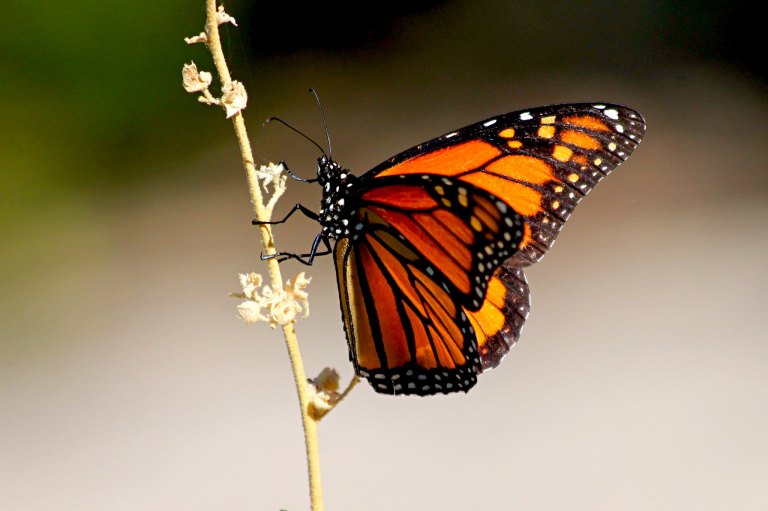
Monarch butterflies might seem delicate, but did you know they undertake a 3,000-mile migration two times each year? Even though they're tiny, weighing a mere ounce, they can travel up to 100 miles a day. Every spring the monarch butterfly makes its way from warm climates like Mexico and Florida toward cooler places up north, including New Hampshire.
While they’re strong, it’s unlikely the ones who leave for the journey will make it all the way to their destination. In actuality, there’s a first generation of butterflies who lay eggs along the way. These eggs hatch and continue the trip.
This cycle repeats and these second or third-generation monarchs are the ones who complete the entire journey. Monarch butterflies usually have a lifespan of between two and six weeks. However, the final generation of the year, those who migrate south, can live as many as nine months.

These are the monarchs we may see in New England. They’ll stay here until the fall when they head back down south. This is referred to as overwintering.
While the spring and fall migrations are similar, there is one clear difference. In the spring and fall migration, the butterflies interact differently. In the spring, they’re likely to be solo, but the colder temperatures in the fall cause them to gather in roosts to stay warm.
Seeing the butterflies is a good indication that summer is almost here. While it’s hard to say why the monarch butterflies make this journey, scientists believe that sensing longer days and warmer weather triggers their flight. And, when the weather changes again in the fall, they go back down south following similar paths.

The best thing about this beautiful migration is you don’t need to spend any money to enjoy it. Just make sure you’re spending a little more time outdoors this spring and, if you want to attract monarch butterflies to your yard, grow milkweed native to New Hampshire, including butterfly weed, clasping milkweed, purple milkweed, and swamp milkweed. Get started by visiting your nearest gardening store, or you can buy milkweed seeds online.
Plant your milkweed after the final frost of the season in the spring, ideally choosing a spot outdoors that is in the full sun or partial shade. I have several large trees in my yard so I plant the milkweed so it's near but not directly under the leaves. I also choose a spot I can see from my window, so I can look out and watch the butterflies.
While you can plant milkweed in the spring, fall is the ideal time to do so. The cold winter temperatures aid the germination of seeds in the spring. If you plant in the fall, do so in October but before the first frost.

If you're asked by a curious spring vacationer, "Are there monarch butterflies in New Hampshire yet?" simply direct them outside.
The route changes slightly each year, but if you want to track the best time to see monarch butterflies in New Hampshire, consider checking out this interactive map.
Have you seen the monarch butterflies in New Hampshire? Where is your favorite place to view them? Let us know by nominating your favorite park, trail, or garden for spotting monarch butterflies. One thing I might try is using binoculars to spot them, which might also be a good way to check out the spring hummingbird migration in New Hampshire this year.
To learn more about the spring monarch migration, check out the Monarch Watch website. You can also track them across the country using the interactive map on the Journey North website, which even tracks the migration path from past years.
Subscribe to our newsletter
Get the latest updates and news
Thank you for subscribing!