I Was Pleasantly Surprised by This Historical Trail in Nebraska
Windlass Hill in Nebraska’s Ash Hollow State Historical Park offers more than a scenic hike. It’s a rare chance to stand in the very wagon ruts carved by thousands of pioneers on the Oregon Trail.
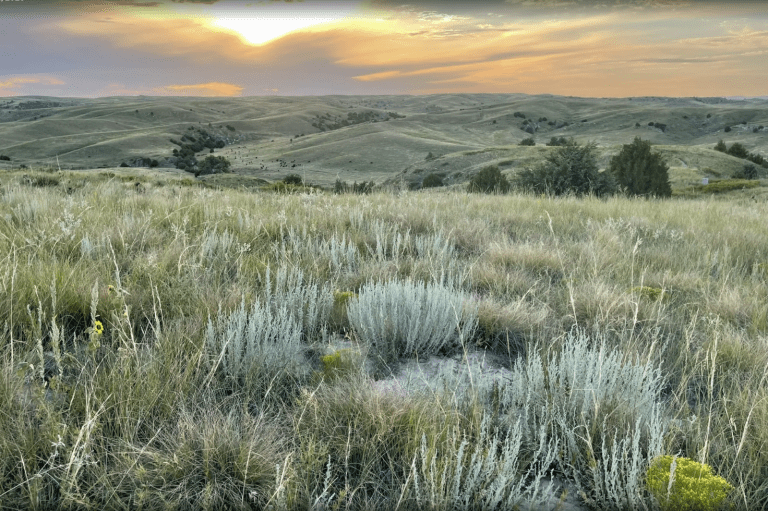
Windlass Hill, part of the larger Ash Hollow State Historical Park, isn’t a towering mountain or a jagged ridge. Instead, it’s a series of rolling slopes, marked by deep ruts carved into the earth. I came to experience the history for myself, the smell of sun-soaked grass, the hum of grasshoppers keeping me company, and the feeling of walking where so many had gone before.
Windlass Hill: A Journey Through Time
I knew my imagination would run wild the moment I set foot here. This was the Oregon Trail, up close and personal, in a way no history book could ever give me. For the pioneers, this was a brutal stretch, a hill so steep and worn that travelers had to chain logs to their wagons or “lock” the wheels to keep them from barreling forward too quickly. That’s where the name “Windlass” came from.
Today, the trail feels deceptively calm. Bluestem grasses and prairie coneflowers sway in the wind, and at the top, I could see for miles, the open country broken only by the occasional bush or lone tree.
Walking in the Pioneers’ Footsteps
What really stayed with me were the ruts themselves, parallel scars etched deep into the hillside. Standing over them, I felt like I could almost touch the past. These ghostly impressions in the earth weren’t just marks in the dirt; they were physical proof of the thousands of wagons that had passed through.
Along the way, educational signs recount the methods settlers used to control their wagons and navigate the terrain. Here, I sat and recounted my days of playing Oregon Trail on my old computer, watching pixelated pioneers inch across my screen and hoping I wouldn’t die of dysentery. In person, however, the history became startlingly real. I was staring at the marks left by people who had made the treacherous journey in search of a better life.

Ash Hollow: A Well-Earned Respite
Just beyond Windlass Hill lies Ash Hollow, a welcome site for pioneers after miles of unforgiving prairie. For years, Native and Indigenous people had lived here, drawn by the shelter and resources of the natural springs, which provided an abundance of grass for livestock. A traveler on the Oregon Trail knew that by making it to Ash Hollow, they had reached one of the most reliable rest stops before continuing their journey onward.

A Reflective Glimpse Back in Time
More than a historic landmark, Windlass Hill is a testament to human perseverance and ingenuity. It reminded me that the enduring tracks serve as a tribute to the Native, Indigenous, and immigrant people who faced hardship with an indomitable spirit.

Windlass Hill isn’t a difficult hike, nor does it have dramatic cliffs or waterfalls; here, there is a rugged and quiet power. The history of the Oregon Trail is something I would feel in my bones, especially the human cost behind those two simple wagon wheel lines in the earth. Windlass Hill is surprising in a way that is more than a secret location or unmarked grave; it’s in the connection to the land and history you can reach out and touch.
Subscribe to our newsletter
Get the latest updates and news
Thank you for subscribing!