The Iconic Trail in Hawaiʻi Everyone Should Hike Once in Their Lifetime
Ready for an adventure? The Kalalau Trail on Kauaʻi's Nā Pali Coast is a wild, scenic trek packed with cliffs, waterfalls, and ocean views.
Of all the incredible hikes found among the islands, few compare to the Kalalau Trail—an iconic hike in Hawaiʻi that surfaces time and time again in rankings of the world's best outdoor adventures. Tucked along Kauaʻi's Nā Pali Coast, Kalalau is a trek of breathtaking beauty, condensing some of the state's most stunning vistas into 11 winding miles of trail (22 miles round-trip).
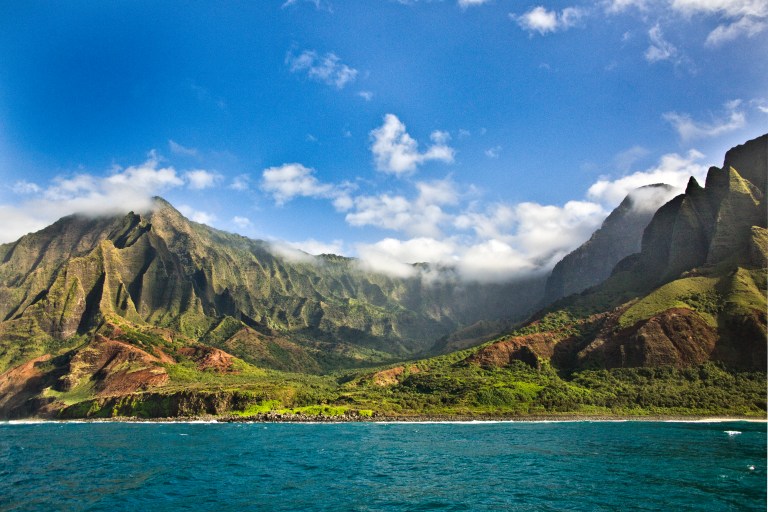
Perhaps the main draw of Kalalau is the chance to see the renowned Nā Pali Coast, an area of Kauaʻi so remote that it can only be accessed by water, foot, and helicopter. Extending from the end of Hawaiʻi Route 560, Kalalau is the primary throughway for outdoor enthusiasts wanting to experience this coastline without the constraints of a boat schedule or aerial tour itinerary. As a hiker, it's easier to absorb the epic landscape, formed five million years ago when a deluge of water poured across the island's northwest side, cutting deep valleys into the bluffs. Visitors can still see waterfalls careening down the cliff faces in certain areas, descending into the park's secluded dells.

If you're interested in taking on this challenging hike, make sure you arrive prepared. This is a rigorous, 22-mile round-trip wilderness trek, and every hiker must be self-reliant. The trail is known for its slippery, muddy conditions and requires navigation of exposed cliff-hugging paths like Crawler's Ledge; due to the remoteness, there is no cell service. While only the most conditioned adventurers attempt the round-trip in a single day, most hikers break the journey into two or more days, which is highly recommended. Coastal Kauaʻi is nothing if not changeable, and patient visitors will be rewarded with an array of moods—from thick fog to sparkling sunshine—all of which accentuate different aspects of the landscape.
There are several legs of this famous trail. The first connects Ke'e Beach to Hanakāpīʻai Beach and Falls. To delve deeper into the park, visitors will need a permit. All visitors, including day hikers, must have an advanced reservation for park entry (parking or shuttle). To hike past the two-mile marker, visitors will need a camping permit, regardless of whether they intend to complete the entire route in one day or break their journey into smaller sections. Permits are extremely competitive, selling out fast after their release 90 days in advance. Failure to obtain this permit constitutes a petty misdemeanor. Though it might seem harsh, this careful regulation helps maintain the fragile ecosystem of Hāʻena, ensuring Kalalau may stay open for future travelers.

After reaching Hanakāpīʻai, hikers trek to Hanakoa Valley, nestled about six miles from the trailhead. This verdant enclave boasts a gorgeous waterfall, a stream, and dazzling views. From the valley, visitors forge on to Kalalau Valley and, eventually, Kalalau Beach.
At Kalalau Beach, hikers are free to camp for up to five consecutive nights. If you have the supplies and the time, I highly recommend doing so. Water sources dot the winding trail, so you'll have opportunities to refill your bottles. Since these are untreated wilderness streams, always ensure you filter or chemically treat the water before consumption. Locate these sources in advance so you'll always stay hydrated! As with any backcountry trip, practice Leave No Trace principles and be prepared to pack out all trash.

If you have the skill and the ability, Kalalau Trail is an iconic hike in Hawaiʻi that belongs on your bucket list. With its soaring cliffs, lush valleys, and the endless, glittering ocean, it's easy to see why this route is synonymous with the legendary beauty of coastal Kauaʻi.
Ready to tackle the Kalalau? Check the official Hawaiʻi State Parks website for the latest rules, conditions, and to reserve your required permits. You can also visit the Kalalau Trail page on AllTrails to review maps and recent hiker reports.
Subscribe to our newsletter
Get the latest updates and news
Thank you for subscribing!