You’ll Be on Top of the World When You Tackle This Rocky Mountain National Park Hike
The Ute Trail is a high-altitude hike offering views of towering mountaintops. This makes it one of the best hikes in Rocky Mountain National Park.
You’ll find waterfalls, forested valleys, and pristine wilderness in many of our national parks, including Rocky Mountain National Park. Indeed, Rocky Mountain is home to some truly beautiful landscapes, and when I visit, I certainly make time to visit the nascent Colorado River or wander the trail to magnificent Alberta Falls. It was not, however, these features that earned this 265,000-acre retreat its national park designation. Rather, it’s the park’s massif of soaring, granite peaks, some of the highest in the Lower 48, that makes it remarkable. It’s also what leaves me most awestruck when I visit. This is why I think a hike along the Ute Trail allows you to experience Alpine majesty better than any other, making it one of the best hikes in Rocky Mountain National Park.
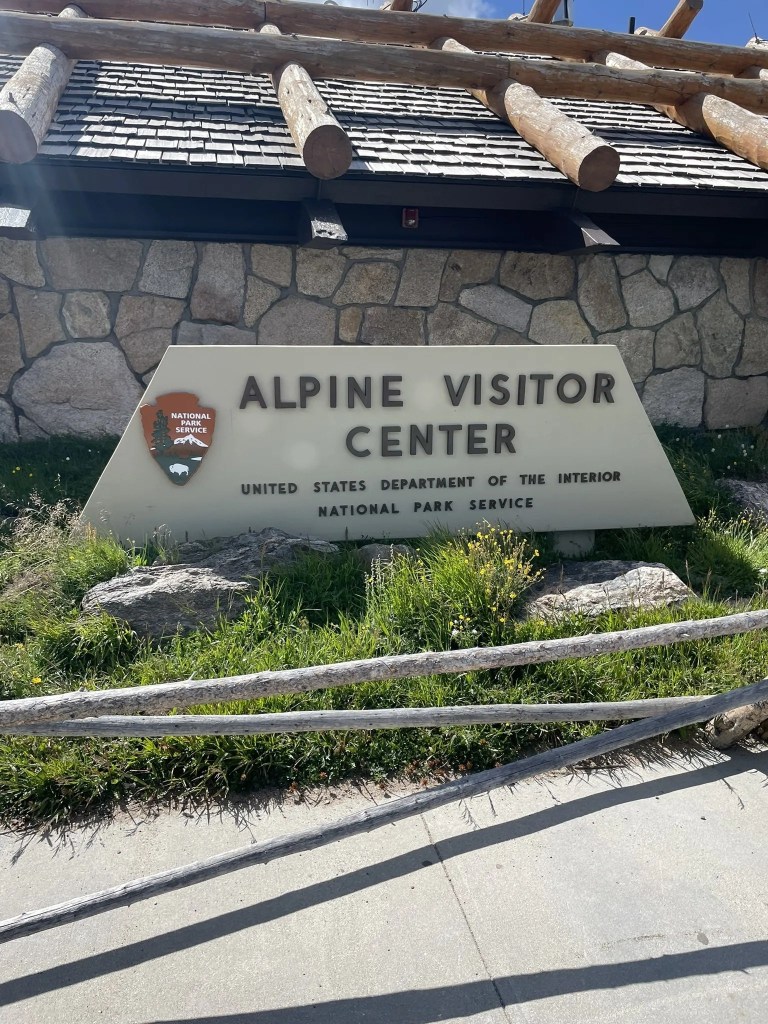
You’ll find the trailhead for the Ute Trail at the Alpine Visitor Center, which sits on top of the world at an elevation of 11,796 feet. The trail is eight miles, out and back, to Milner Pass—if you hike the whole thing; but that’s one thing I appreciate about it: You don’t have to. As a somewhat lowlander from Minnesota, I have found myself occasionally affected by altitude in the park, my legs feeling like concrete weights, so being able to shorten the hike is a good thing. If you’re not used to hiking at altitude, you should take it slowly when you begin.

That said, I would not pass up this trail. Although it starts at nearly 12,000 feet, it descends 1,000 feet over the four-mile "out" leg. You’ll do most of the ascending on your way back, for a total elevation gain of more than 1,000 feet. The first segment of the trail crosses barren, alpine tundra covered in delicate grass, moss, and lichens that can only be found in these types of ecosystems. Tread lightly and stay on the path to avoid damaging this rare environment.

Keep your eyes peeled for pikas and marmots, high alpine specialists that make their homes in this hostile environment. You may even spot a daredevil elk as you marvel at the panoramas of the Rocky Mountain high peaks that surround you on your descent toward the treeline. Wear sun protection and bring plenty of water, as the first portion of the hike is exposed and offers no shade. Expect high winds and frigid temperatures, as well.

The wild, forested valleys reveal alpine lakes and open up to a parade of high peaks marching into the distance. I’ve been to more than 40 of our national parks, including almost all of those in the Rocky Mountain region, and I don’t think there’s another hike quite like this one in any national park outside of Alaska. (Wyoming’s Wind River and Big Horn ranges are quite incredible, though.)

The Ute Trail is one of the best hikes in Rocky Mountain National Park, but it certainly isn’t the only one. When you visit, you’ll definitely want to check out this trio of trails, as well:
- Alberta Falls Trail
- Glacier Gorge Trail, which extends beyond Alberta Falls for several miles and leads to some other incredible destinations
- Emerald Lake Trail
Although Rocky Mountain National Park is only about 90 minutes from Denver, I prefer to stay closer to the park when I visit so I can spend less time commuting. For example, this two-bedroom rental home in Estes Park is affordable, just minutes from the park entrance, and offers incredible mountain views from its backyard deck. Staying closer ensures that you won’t miss your window for the required timed-entry reservation that you must make if you visit the park during peak season. You will also have to pay a fee or present your America the Beautiful Pass to enter the park year-round.
What do you think are some of the best hikes in Rocky Mountain National Park? Be sure to let us know!
Subscribe to our newsletter
Get the latest updates and news
Thank you for subscribing!