The Fascinating Archaeological Discovery That Put This Rural Colorado County On The Map
Yucca House National Monument in Colorado preserves an unexcavated Ancestral Puebloan village, offering a glimpse into ancient history.
Yucca House National Monument is one of the smaller sites managed by the National Park Service, but it's certainly worth a visit; this monument preserves a large, unexcavated Ancestral Puebloan village in Colorado's Montezuma Valley. This part of the state is sparsely populated, and few people visit it today, but rural towns in Colorado can hide fascinating secrets. This area was home to many people from 1150-1300 C.E. Most of Yucca House is covered by grass and vegetation, but historians believe hundreds of rooms are underground. This is a very exciting archaeological site in western Colorado, because even though much of it cannot be seen from ground level, you'll learn a lot about Colorado's ancient inhabitants when you visit this place.
Yucca House National Monument may not look like much, but it's one of the largest archeological sites in southwestern Colorado.
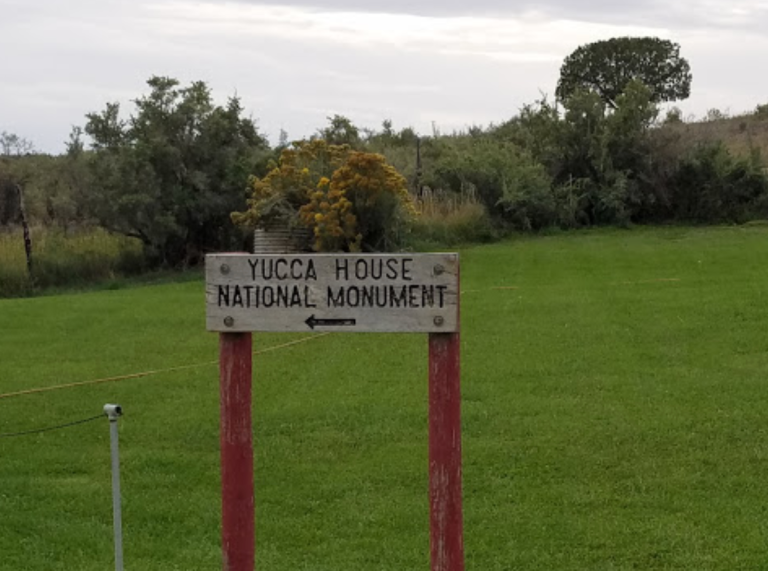
There have been some pretty cool things discovered in Colorado - this ancient site is definitely one of them.
In 1919, Henry Van Kleech deeded 9.6 acres of land to the federal government so this land would be protected forever. It became a National Monument by Presidential Proclamation by President Woodrow Wilson on December 19 of that year.

This part of Colorado is full of Ancestral Puebloan dwellings and artifacts. Thousands of ancient people lived in this area for thousands of years. No one knows for sure why they left around 1300 AD, but most historians believe it had something to do with overpopulation combined with drought.

You can walk on this boardwalk to the portion of the village that is visible above ground. Most of it has been covered by vegetation over the last 1000 years, and this site has not been excavated.

There is no visitor center at this National Monument. There are also no interpretive features. Fewer than 1,000 people visit it each year. Despite these facts, this is an important historical site for historians who study the Ancestral Puebloan people.

There are actually two separate sites here. The Western Complex was a large pueblo that may have had as many as 600 rooms and 100 kivas (spiritual spaces), plus one giant kiva that may have been used by the entire community. There is a spring here that the people used for drinking.

The Lower House was an L-shaped pueblo that had eight rooms and another large kiva.

You can't see much of the original building when you visit this place, but as you can see, some of it is visible.

If you get a chance to visit this ancient place, take a moment to think about the people who lived here long ago, and try to imagine a time when this pueblo was bustling with activity.
Yucca House National Monument is fascinating! It's also great because it draws visitors into a part of rural Colorado where few usually go. The Montezuma Valley is beautiful; it's easy to see why ancient people chose to settle here and live in this area for several hundred years. There are many treasures to be found in rural towns in Colorado. This area is full of evidence of their communities - you might also consider visiting Hovenweep National Monument and Mesa Verde National Park while you're in this area to learn more.
And, if you love national parks (who doesn't, right?) you might consider picking up some souvenirs from Parks Project - a percent of every purchase goes back to supporting our parks!
https://www.onlyinyourstate.com/bucket-list/mesa-verde-national-park-bucket-list/
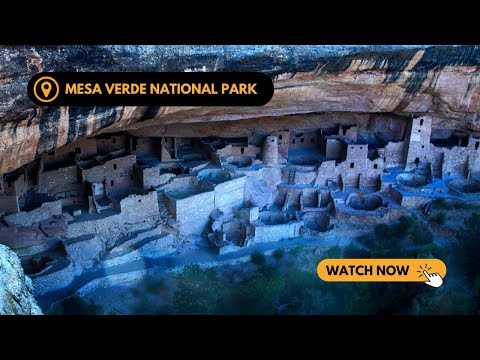
The king of all archeological sites in Colorado is in Mesa Verde. Check it out in this quick video:
Subscribe to our newsletter
Get the latest updates and news
Thank you for subscribing!