Next Month, Watch The Alaska Skies Light Up During One Of The Best Meteor Showers of The Year
Explore Alaska's natural wonders, including canyons, caves, waterfalls, and scenic vistas.
The best meteor shower of the year is coming up in just a few short days! The Quadrantid meteor shower is the first large meteor shower of the year, with fireball meteors coming in 60-100 meteors per hour. The peak of this incredible show is just a few short hours that you don't want to miss! With our many hours of darkness each winter, Alaska is primed for great viewing of this beautiful display.
The Quadrantids Meteor Shower is actually named after a constellation that no longer exists.
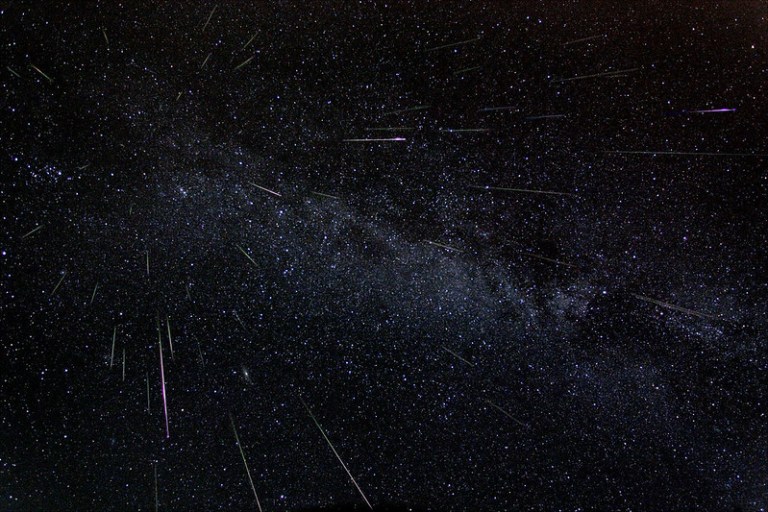
The best spots for viewing the meteor shower are in the northern hemisphere, so Alaska usually gets a front row seat! Combined with our inky night sky, it's also usually cold enough to eliminate most of the humidity causing clouds that obscure your view.
This meteor shower usually averages 60-100 meteors seen per hour during its peak.

In Alaska however, you can expect to see upwards of 120 meteors per hour. During its peak late January 3rd into early morning of January 4th, this high number is common when the sky is clear.
The meteors in this shower are actually called "fireballs."

The fireballs come from much larger pieces of matter that streaks through the sky. That means that they both burn brighter and longer than your average meteor shower!
This year we lucked out, as we will have no moon, so the viewing conditions should be perfect.

The peak is at 3:00 a.m. Eastern Standard Time, so at 11:00 p.m. we should have quite a show! This means you can easily stay up on a Friday night to see these bright beauties.
You can search for these meteors by finding the Big Dipper constellation in the sky.

The meteors should originate from a point that's a right angle to the Big Dipper. If you can find that, you'll see them start there before shooting across the entire night sky!
Make sure to head outside 15-20 minutes earlier than the start of the peak display time.

This gives your eyes a chance to adjust. Make sure to find an area without any ambient light, and block out any electronic light as this can hurt your night vision and viewing chances.
This bright and beautiful show is usually a huge hit for Alaskans who love watching astronomical displays.

Put this great event on your calendar so you don't miss it. f you're blessed with no cloud cover, then slip on your warmest cold weather gear and wait for an amazing sight. If you're far enough north, you may even see the rarest of combinations, aurora borealis and the meteor shower!
Have you seen this amazing night time show? What did you think? Are you staying up late this year to see it? Let us know in the comments below!
Interested in learning more about the winter weather Alaska has forecasted? Read how The Farmers Almanac Predicts Winter 2020 In Alaska Will Have Mild Temps And Above Average Amounts Of Snow!
Subscribe to our newsletter
Get the latest updates and news
Thank you for subscribing!