A Deadly Plant That Looks Like A Harmless Weed Is Spreading In Minnesota
Poison hemlock, a toxic plant dangerous to humans and animals, is spreading in southern Minnesota.
There's a toxic plant in Minnesota that's been spreading in the southern part of the state. It resembles other, relatively harmless wildflowers or weeds, like Queen Anne's lace or yarrow, but it's toxic to humans, pets, and livestock - and can be deadly. Here's what you need to know about poison hemlock (Conium maculatum) in Minnesota.
In the Land of 10,000 Lakes, many of us live in areas near wetlands, creeks, streams, ponds, rivers, and, of course, lakes.
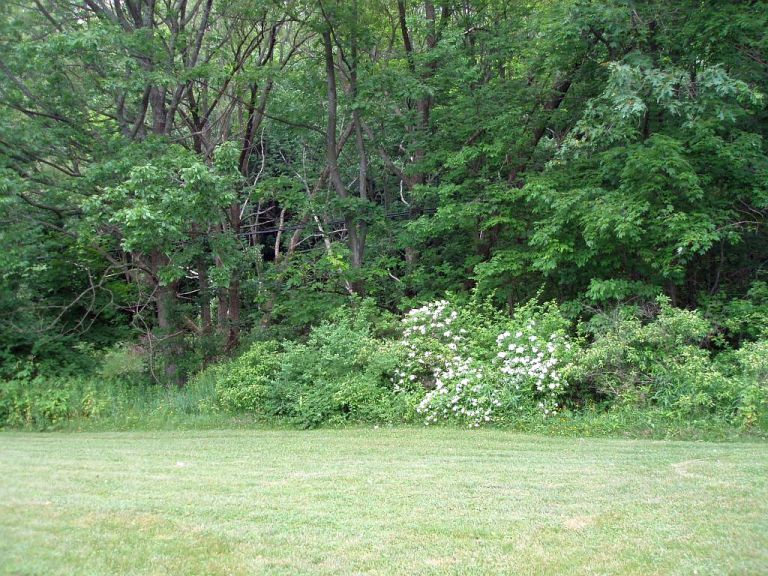
In rural areas, our homes are near fields and close to rural roads with ditches that are often filled with flowering plants, including many kinds of weeds. Some of these weeds are more insidious than others.
Poison hemlock tends to grow in such areas - along wetlands and streams, in ditches, and along fields. All parts of the plant contain neurotoxins that pose a danger to humans and animals, and can be fatal if ingested.

You should avoid even touching this plant. This toxic invasive has been reported with increasing frequency and in new areas of Minnesota in recent years.
The species has been reported in most counties in the southern one-third of Minnesota.

You can click on this interactive map and zoom in for county-level data about reported sightings and remediation efforts.A similar species, spotted water hemlock (Cicuta maculata), also known as cowbane, is native to Minnesota and even more toxic than poison hemlock. The range for spotted water hemlock is statewide. This plant is considered to be the most toxic in North America.
Poison hemlock resembles several other less toxic species, like Queen Anne's lace, sweet cicely, and yarrow.

If you suspect that poison hemlock is present on your property - or you see it elsewhere - it should be removed.

The DNR recommends contacting a professional to have it eradicated and reporting its presence. The state cautions agains trying remove it yourself.
This video from the City of Lakeville offers some suggestions about identifying poison hemlock and differentiating it from less toxic plants:
An app like iNaturalist can also help you to identify and report toxic plants like poison hemlock. When working with plants that you suspect may be toxic, always wear gloves and protective clothing that covers all exposed skin.
Have you seen poison hemlock in Minnesota?
Subscribe to our newsletter
Get the latest updates and news
Thank you for subscribing!