Forget the Museum—The First Place I Go in Any New City Is the Grocery Store
Here’s why you should skip the souvenir shops and head to the snack aisle instead.
When traveling to a new destination, most people prioritize the usual sights: museums, monuments, and major attractions. These locations certainly help you get a feel for a place, but in my opinion, there’s one surprisingly rich window into local culture that often goes overlooked: the grocery store.
Yes, you heard that right. While it might seem odd at first, grocery stores tell an unfiltered story that you won’t get from guidebooks or historic walking tours. Perusing the aisles, you can get a glimpse into the everyday lives of people in the area—what they eat on a daily basis, how they shop, and the types of things they prioritize. It’s cultural immersion disguised as a run-of-the-mill errand!

Exploring Local Cuisine Down the Produce Aisle
One of the best reasons to visit local grocery stores? They offer a firsthand look at what people actually eat in that region. You simply need to look at what’s packed on the shelves and piled in carts.
When shopping at Shaw’s or Hannaford in Vermont, for example, you’ll find plenty of maple-flavored products, from syrups to candies to marinades and everything in between. You’ll also come across Vermont cheddar cheese (especially from Cabot Creamery), local baked goods (like apple pie), and hand-crafted beers from nearby breweries.
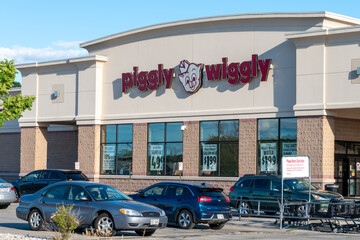
If you’re at a southern grocery store—like Publix, Winn-Dixie, or Piggly Wiggly—you’ll stumble upon cornbread mixes, sweet teas, and various types of hearty meats. Heading to a Hawaiian market like Foodland instead? Expect fresh poke, SPAM, and a variety of tropical fruits like papaya or lychee.
Those in Los Angeles stores will see the health-consciousness of the residents reflected in the products—think cold-pressed juices, quinoa-based dishes, organic produce, fresh sushi, grass-fed meats, etc. And across other parts of the country, you’ll spot more regional signatures: towering cheese displays in Wisconsin, rows of salsas and barbecue sauce in Texas, and game meats like elk or bison in Montana’s specialty butcher sections.

Experiencing Local Culture at the Local Grocery
Another reason why grocery stores are so appealing? You walk away with a better understanding of the values shared by shoppers and store owners alike.
For instance, if you stop at a grocery store during your New England road trip, the emphasis on local farming and sustainability will be clear. Shoppers often bring their own bags, opt for low-waste or plastic-free packaging, and prioritize locally-sourced products.
Midwestern grocery stores feel like an extension of the community. Cashiers might strike up a friendly conversation, and regulars often greet each other by name. Stores go all-in for holidays and local events; if the Super Bowl is around the corner, expect massive displays of chips, dips, guacamole, and football-themed snacks.

In the Southwest, the region’s cultural diversity is on full display. Many stores feature bilingual signage and announcements, and the aisles are filled with Latin American staples like tortillas, dried chiles, and pan dulce. The colors, sounds, and smells are vibrant and unmistakably local.
There’s a clear sense of culinary curiosity in shops across the Pacific Northwest. Shoppers peruse mushroom medleys and fermented kimchi, grab locally roasted coffee, and fill up their own jars at bulk bins. There’s a thoughtful, earthy vibe that carries itself down the aisles.
Wherever you go, grocery stores offer a window into the inner workings of a place, and you’ll end up with a newfound sense of appreciation.

Learning About Community Happenings From Locals!
Want even more local culture? Check out the bulletin boards and local announcements posted near the registers. Grocery stores often double as community hubs, so you’ll read about events in the area—farmer’s markets, live music, book clubs, theater showings, bake sales, high school band concerts, etc. You can visit these events if you’re feeling brave, but simply learning about them can help you get a broader sense of the neighborhood and people who live in it.

Supporting Small Businesses While Traveling
It’s important to note that the travel-related benefits of grocery stores don’t only extend to the big-box varieties. A family-owned corner market, regional chain, or neighborhood co-op will also give you the same valuable insights—and they might even be more authentic to boot. (This is one of eco-traveler Stephanie Frias's favorite ways to experience local culture!)
The next time you’re exploring a new destination, consider making a beeline for the nearest grocery store. You’ll walk the same paths as the people who actually live there, and more often than not, you'll leave with an exciting snack you’ve never tried before.
Subscribe to our newsletter
Get the latest updates and news
Thank you for subscribing!