Five Different Planets Will Align In The Vermont Night Sky During An Incredibly Rare Display
A rare celestial event called the "parade of planets" will be visible in Vermont from March 25 to March 30, 2023.
If you're a fan of astronomy, you're in for a treat! One of the most rare celestial events is taking place and it's completely possible to see it with the naked eye. Known as the "parade of planets," there will be four to five different planets visible in Vermont. Whether you're an astronomy geek or just looking for something different to do, read on to learn more about this rare and unique event worthy of you planning ahead for the best viewing conditions.
When you studied the solar system in elementary school, did you ever imagine that you'd be able to look up in the sky and clearly see five planets in an orderly fashion?
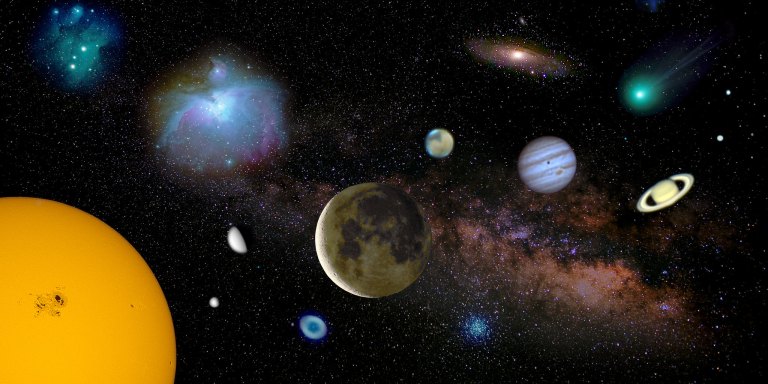
If you did, you'll be thrilled to know that your chance is here. From March 25 through March 30, 2023, you can catch Jupiter, Mercury, Venus, Uranus, and Mars aligned in the sky.

While rare, this isn't the first time we've had the chance to see a "parade of planets." The big difference this time is that we'll have only a few days to catch it. Luckily, most of the activity takes place just after sunset so waking up early isn't necessary.

First in line are Jupiter and Mercury. Both can be seen just above the horizon line so you'll want to look lower in the sky to see them. Both planets will only be visible for less than an hour. You'll want to try to spot Jupiter between the 25th to the 28th. After that, it dips below the horizon and out of view.

Next, keep an eye out for Venus. Typically one of the brightest planets, this one should be easy to spot. Just behind it is Uranus, but that one will likely require binoculars.

Both Venus and Uranus will be most clearly visible later at night when there's no light in the sky. But, after just a few hours these two planets will also dip beneath the horizon and out of sight.

Mars, next in the parade, is quite easy to spot and will last for most of the night. Last, but certainly not least, Saturn might make an appearance for some just before sunrise. To see it, you'll want to be awake early on March 27th and 28th. Before and after those dates, Saturn won't be visible.

For the best viewing chances for all planets, be sure to find a dark place with no light pollution. Anything far from cities and large towns should work. Additionally, you'll want to have a clear and unobstructed view of the western horizon.
Have you ever seen a celestial event like this? If so, we'd love to hear about it in the comments. If not, be sure to get your binoculars to ready to enjoy a once-in-a-lifetime event when you look up at the Vermont sky. We love the sky, but there's certainly plenty of beauty to be enjoyed right here on land. If you love to hike, check out this list of the best routes leading straight to waterfalls.
Subscribe to our newsletter
Get the latest updates and news
Thank you for subscribing!