10 Oldest Towns in Mississippi That Are Full of History
Explore ten of Mississippi's oldest towns, each rich in history and unique attractions.
Mississippi is home to some of the oldest European settlements in the Deep South, with
towns that date back to the late 1600s and early 1800s. Between sites dating back several centuries and the hundreds of landmarks on the National Register of Historic Places, history comes to life daily in Mississippi, especially in these 10 towns, among the oldest in the state.
1. Port Gibson – Mississippi’s Oldest Town Rich in History
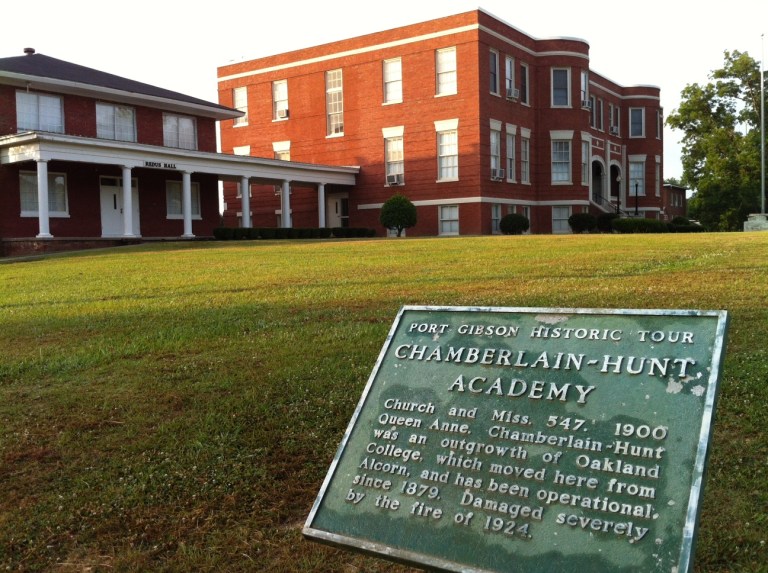
Located between Vicksburg and Natchez, the small town of Port Gibson is actually the state’s third-oldest city. As legend has it, Port Gibson’s beauty led General Grant to spare the town during the Civil War, calling it "too beautiful to burn." Even though the town is best known for the Windsor Ruins, it offers much more, including gorgeous architecture from yesteryear, old-fashioned storefronts, battlefields, and historically significant Civil War sites.
2. Natchez – Explore the Historic Charm of This Mississippi Gem

The charming city on the Mississippi River was established in 1716, making it one of the oldest European settlements in the area. Because of its location, Natchez attracted many wealthy farmers during the 19th century, which, in turn, led to the construction of numerous mansions. Today, many of these historical Natchez homes can be toured, guaranteeing a trip straight to the past.
3. Vicksburg – A Town Steeped in Civil War History

By far one of the most historic cities in the nation, Vicksburg is a must-see for the young and old alike. While modern Vicksburg was established in 1811, the city actually dates back to Colonial times when the French built Fort Saint-Pierre nearby. Today, the city’s history is very much alive thanks in part to the Vicksburg National Military Park. The park offers a 16-mile tour that stops at forts, batteries, attack sites, historic structures, the Vicksburg National Cemetery, and the U.S.S. Cairo Museum. Through the park’s numerous monuments and thousands of grave markers, one of the nation’s largest battles can be experienced firsthand.
4. Ocean Springs – Coastal Mississippi Town with Historic Roots

Located on the eastern shore of Biloxi, Ocean Springs was established by the French in 1699. Although it was the establishment of this French settlement that earned Ocean Springs the title "The City of Discovery," it was actually inhabited by Native Americans long before. Long before the French arrival, the area was home to Indigenous communities. Between a historic district that’s filled with quaint shops and great restaurants and thriving art and music scenes, this seaside town has won over the hearts of both locals and tourists.
5. Biloxi – History Meets Coastline in This Old Mississippi Town

Artifacts found in Biloxi indicate that the city was inhabited by Native Americans as early as 8,000 B.C. and continued to be inhabited through the 1700s. In 1699, Sieur d’Iberville and 14 men arrived in present-day Biloxi and quickly became acquainted with the Biloxi Indians. Over the next century, the city underwent multiple changes: it was ceded to England and then to Spain, and by 1810 it was part of the Republic of West Florida. Finally, in 1817, Biloxi officially became a city and continued to develop throughout the years. Today, the coastal city is a popular tourist destination, complete with beaches, casinos, wonderful dining, and several notable historic sites, including Beauvoir, the Biloxi Lighthouse, and the Redding House.
6. Rodney – A Ghost Town Full of Mississippi History

Originally known as Petit Gulf, Rodney is shown on territorial maps dating back to 1763. By 1828, Rodney was officially incorporated as a city and named in honor of Territorial Judge Thomas Rodney. By the mid-1800s, the Jefferson County town was a bustling port city rivaling Natchez and Vicksburg. Steadily growing, Rodney reached 4,000 residents by 1860. Tragedy struck Rodney in 1869 when a massive fire engulfed much of the town. In 1876, the Mississippi River changed course, which was devastating for the former port city, ultimately resulting in Rodney’s demise. Today, there is only one serviceable road that runs in and out of Rodney - a secluded road lined with abandoned buildings, telling the tale of the city that used to be.
7. Taylor – Small Town, Mississippi, with a Historic Legacy

The epitome of picture-perfect, Taylor is the type of town you’d expect to see in a movie – a trait that wasn’t lost on William Faulkner, who referred to Taylor as "a postage stamp of native soil." The town was first settled in 1832 by Dr. John Taylor and his wife, Nancy. Others quickly followed the doctor’s lead, and, with the arrival of the railroad in 1856, the small town quickly began to grow. By 1873, Taylor was officially a city, but didn’t receive its current name until 1907. Today, Taylor is known for being a small town that’s big on history, culture, the arts, and world-famous catfish. The Taylor Grocery and Restaurant, which has come to be known simply as "the catfish place," attracts hundreds of people every weekend.
8. Verona – Discover the Oldest Stories of Mississippi

In 1857, the Gulf, Mobile and Ohio Railroad (GM&O Railroad) was looking for a new location to begin construction and eventually decided on Verona. The plot of land selected was owned by a resident named John Ratliff. Since Ratliff owned the property, he was given the honor of naming the town. He passed this duty off to his daughter, who named Verona after a city in Italy. Just three short years after the railroad came to town, Verona officially became the first chartered city in Lee County, and quickly began to flourish, garnering a reputation as a banking town. In 1933, Verona became known for something else – the city in which Elvis’ parents, Gladys Smith and Vernon Presley, were wed. The couple was married in the county’s first courthouse, which has since been turned into the Historical Blue Moon Museum. Aside from an extremely impressive collection of Elvis memorabilia, the museum has exhibits regarding the town’s history, the Civil War, and the Chickasaw Indian tribe.
9. Columbia – Mississippi Town Brimming with History

Originally called Lott’s Bluff, Columbia was first settled by John and William Lott in the early 1800s. In 1819, Columbia became the state’s fourth city and took on its present name, derived from Columbia, South Carolina, since most of the town’s residents were from there. Between 1821 and 1822, Columbia served as the state’s capital. Today, the town is known for its award-winning Main Street, but that doesn’t mean there aren’t traces of Columbia’s historic roots. The thriving Main Street, which is extra-wide as it was designed "to accommodate horse and wagon u-turns," includes several historically significant sites, including the Marion County Courthouse and Hill’s Hardware, a local staple since the early 1900s.
10. Raymond – Historic Downtown and Southern Heritage in Mississippi

The town of Raymond is located near the Natchez Trace Parkway. Soon after Hinds County was formed in the early 1800s, the town became the county seat. Growing into quite a prosperous little city, Raymond served as a trading center for farmers and played an important role in both government and the economy. Visitors to the quaint town can visit the historic square, the Hinds County Courthouse, numerous preserved antebellum buildings, a Confederate cemetery, and Raymond Military Park, the site of the Battle of Raymond.
Have you visited any of these historic towns? Please let us know by completing this nomination form. Read more about 5 of the Cutest Small Towns in Mississippi to Visit.
Are you planning a Mississippi history road trip? Consider using the Only In Your State itinerary planner to map out visits to these historic towns, Civil War landmarks, and Mississippi River communities. And be sure to check out this read about Charming Small Towns in Mississippi for a Year.
Subscribe to our newsletter
Get the latest updates and news
Thank you for subscribing!